On July 29, every BTS member posted the same statement to Instagram. They would not submit ARIRANG, the album that spent two weeks atop the Billboard 200, for the 69th Grammy Awards. The reason wasn’t scheduling or sour grapes after five nominations without a win. It was the Recording Academy’s new Best Asian Pop Music Performance category, announced in June with language that sounded inclusive but functions like a velvet rope. BTS didn’t ask for a separate room. They wanted the main floor.
The Category Looks Like a Door but Functions Like a Wall
The Academy’s definition requires “meaningful use of one or more Asian languages” and restricts entries to performances “originating from or widely recognized within Asian markets.” That sounds broad until you notice what it excludes. An English-dominant track by a South Asian artist or a Middle Eastern producer doesn’t fit the implicit K-pop/J-pop/C-pop frame. Three-time Grammy winner Ricky Kej argued in Rolling Stone India that the category reflects an American-centric view of Asia, one that mirrors Western pop structures and ignores everything from Indian classical to Southeast Asian experimental work.
And here’s the mechanical trap that mainstream coverage keeps glossing over. Submitting to the Asian Pop category, or getting reassigned there by a genre committee, renders that recording ineligible for standard pop, dance, or R&B slots. The Academy insists general-field awards remain possible, but that’s theoretical. The voting body is overwhelmingly U.S.-based. If your entry is routed into a regional silo, it’s not competing for Record of the Year. It’s competing for a geography prize.
The reassignment process is non-appealable. So an artist can aim for the big four and end up parked in the Asian annex without recourse. That’s not a pathway. It’s administrative gerrymandering.

What the Forums Actually Notice
I’ve been watching the discussion across Reddit and X over the past week, and the conversation is sharper than the usual fan mobilization. Users aren’t just rallying behind BTS. They’re asking whether this category repeats the old pattern of corralling Black artists into R&B and rap categories instead of letting them compete for Album of the Year. The parallel isn’t exact, but the architecture is familiar. A separate trophy looks like recognition until you realize it’s a ceiling.
The practical questions hit harder than the press releases. If the Academy scraps the Asian Pop category tomorrow, does the voting pool suddenly know how to evaluate Korean balladry or Japanese jazz fusion? Probably not. The category didn’t fix the pipeline. It just added a separate fountain and called it representation.
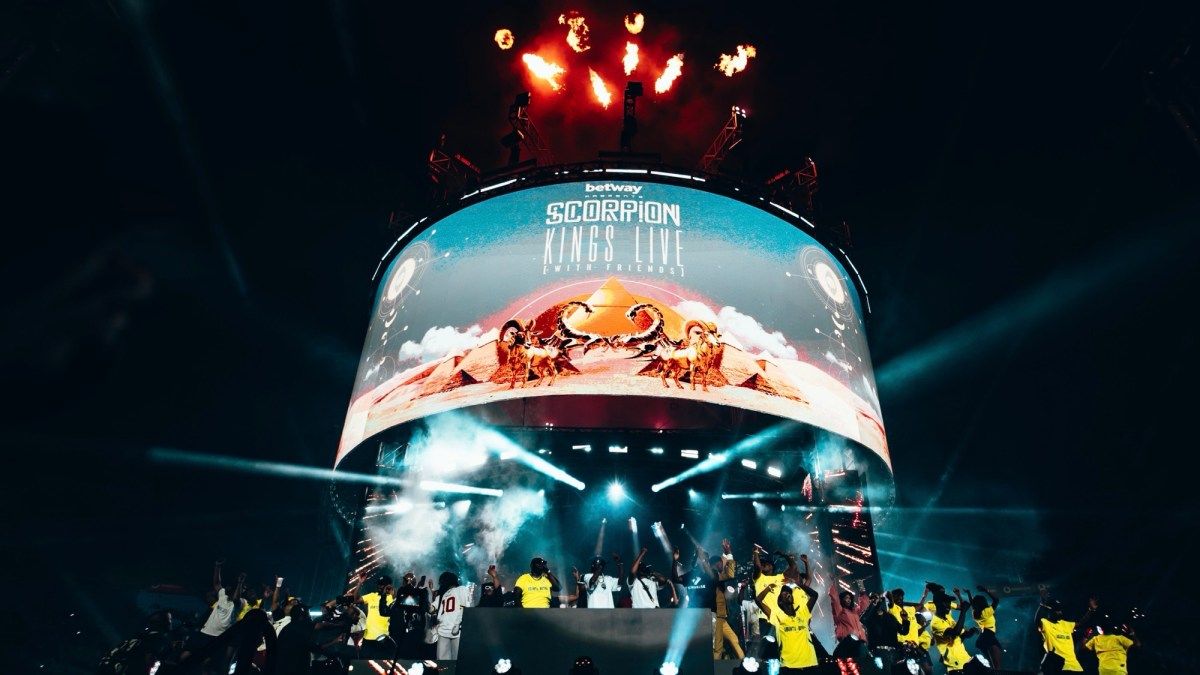
Some observers point out that BTS was never realistically cracking the general field anyway, given the language barrier and stateside voting demographics. If that’s true, the boycott is almost purely symbolic. But symbols matter when you’re the biggest act on the planet. BTS doesn’t need the validation. ARIRANG already proved that. As one fan noted after the group’s recent MetLife Stadium run, “Who needs Grammys when you rule the world?”
Who Wins When the Biggest Name Walks Away?
The Academy responded that it was “saddened” by the decision, which is publicist speak for caught off guard. Reports suggest Grammy promotional materials scrubbed BTS content shortly after the announcement. That’s the petty reflex everyone expected. But the more interesting fallout is what happens to the category itself without its most obvious headliner.
For smaller K-pop, J-pop, and C-pop acts, BTS’s absence is a mixed signal. On one hand, the shadow is gone. A lesser-known group might actually get visibility without competing against the global juggernaut. On the other hand, if the category launches without the act that justified its existence in press releases, it risks instant irrelevance. Nobody tunes in for a consolation prize when the champion isn’t even in the building.
This isn’t unique to Seoul or Los Angeles. In South Africa, we’ve watched local legends build entire ecosystems without waiting for Western validation. BTS is operating at a different altitude, but the logic is identical. If the institution can’t judge the work on its own terms, the artist stops submitting to its terms.
The real fix isn’t a category. It’s a voting pool that includes ethnomusicologists and industry professionals based in Asia, not just the diaspora in LA and New York. Without that, the Grammys are running a “World Series” where every game is played in California and the rules are written by people who think Asia is one country.
BTS didn’t burn a bridge. They simply refused to walk into a glass box and call it home. The category will survive its first year, probably filled by acts who see any spotlight as better than none. But the boycott forces a question that Harvey Mason Jr.’s press release can’t answer. If the music is already being heard and loved across every border, why does it need a regional annex at all? The Grammys built a door, but BTS noticed it only opens one way.