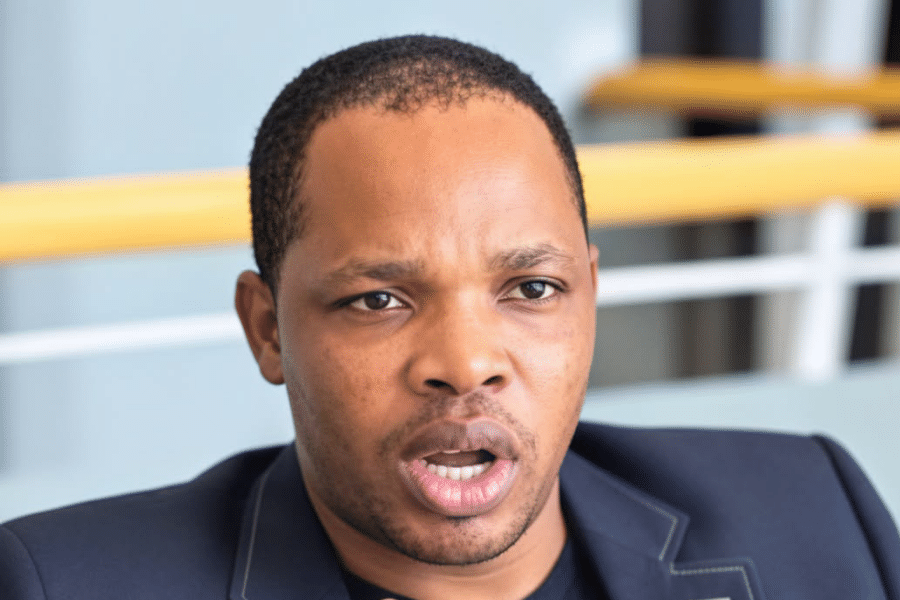
On July 24, Chris Brown walked into Southwark Crown Court and pleaded guilty to affray, a charge that prosecutors accepted in exchange for dropping more serious counts. Three years after a bottle allegedly connected with a music producer’s head at Tape nightclub in Mayfair, the singer and his co-accused, Omololu Akinlolu, accepted a public order charge that carries up to three years. What they did not accept was any of the serious stuff. Prosecutors dropped assault causing actual bodily harm, attempted grievous bodily harm, and a weapons charge. He’s still on bail. His tour is still rolling. And the only date fans are genuinely dreading is October 26, when a judge finally decides if any of this actually costs him anything.
The mainstream story ends there. It shouldn’t.
The Deal Behind the Headlines
Affray sounds almost quaint to American ears, like a scuffle in a period drama. In UK law, it means threatening or using violence severe enough to make a reasonable person fear for their safety. It’s not a parking ticket. But it’s also not the charge that involves smashing a tequila bottle over someone’s skull. By pleading to the lesser count, Brown traded certainty for severity. The CCTV footage from February 2023 still exists. The hospital records for producer Abraham Diaw still exist. What vanished were the counts that would have made this case impossible to spin as a misunderstanding. The prosecution gets a conviction. The defense gets a story they can eventually call a misdemeanor. Everyone wins except the guy who needed stitches.

While scrolling through the noise after the hearing, I kept running into the same tension. Some fans treated the October sentencing as a reckoning long overdue, posting court photos and calling it the past catching up. Others treated it as a minor administrative hurdle, noting that Brown’s camp has already paused his long-awaited joint project with Davido to focus on legal strategy. One post that stuck out framed the delay not as fallout, but as a temporary reshuffle, something you clear from the calendar before announcing new dates. That’s the tell. When a serious criminal case gets reframed as project management, the culture has already decided the outcome matters less than the itinerary.
The Crown Prosecution Service confirmed the plea in blunt terms, calling it a violent attack. Pop Crave noted the dropped charges with the efficiency of a tour update. The gap between those two tones is where this story actually lives.
What the Coverage Keeps Missing
Very few outlets are talking about Abraham Diaw’s separate civil claims, which drift in legal limbo while the criminal case absorbs all the oxygen. Even fewer are asking what happens to US artists with similar records trying to enter the UK once a conviction is formally on the books. The British visa system does not look kindly on violent offenders, and a custodial sentence, even a short one, could create a template for how future promoters insure, book, and route international acts with rap sheets. If Brown walks away with a suspended sentence or a fine, that template disappears too.
There’s also a quiet confusion running through fan forums and Reddit threads about what affray actually means. Some assumed Brown pled to assault. Others assumed he beat the case entirely. The UK and US divide on legal language is doing real work here, letting the severity flatten out as it crosses the Atlantic. That ambiguity benefits everyone except the person who ended up in hospital.
The tour itself is the loudest signal. Brown is performing while on bail for an incident that left someone with head and knee injuries. In most industries, that would be a PR crisis. In music, it’s Tuesday. DJ Maphorisa’s recent callouts in the amapiano scene show how quickly artist feuds become business negotiations. This is the same logic, just with Crown Court docket numbers attached.
The entertainment press has spent more energy on Stephen Colbert’s farewell than on whether a global star’s legal timeline should override his touring calendar. That’s not a complaint about priorities. It’s an observation about what we normalize.
October 26 will arrive eventually. The judge could hand down a sentence that interrupts the tour. Or the judge could hand down a fine and a suspended term that lets the machine keep humming. Either way, the plea itself has already done its job. It turned a potential prison story into a logistics story. It turned a bottle attack into a public order offense. It turned accountability into a question of scheduling. And it reminded everyone that the industry does not stop for court dates unless the court actually forces it to.
I’ve watched enough of these cycles to know that the music will outlast the verdict. The streams will not pause. The features will not dry up. The only thing that changes is the vocabulary we use to describe what happened in that nightclub, and even that is shrinking. Affray is a very small word for a very loud sound. But in this business, small words are exactly what keep the stadium lights on.