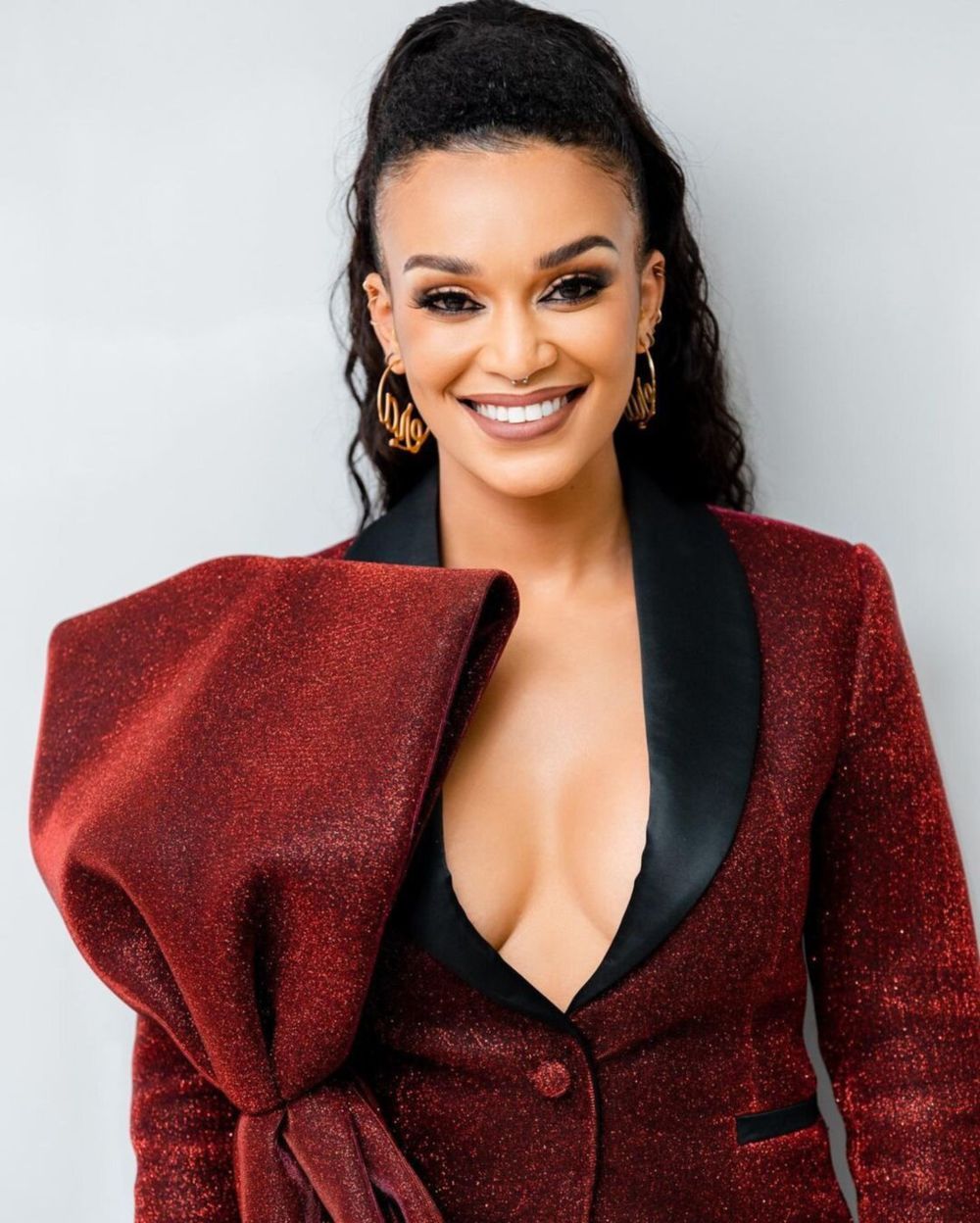
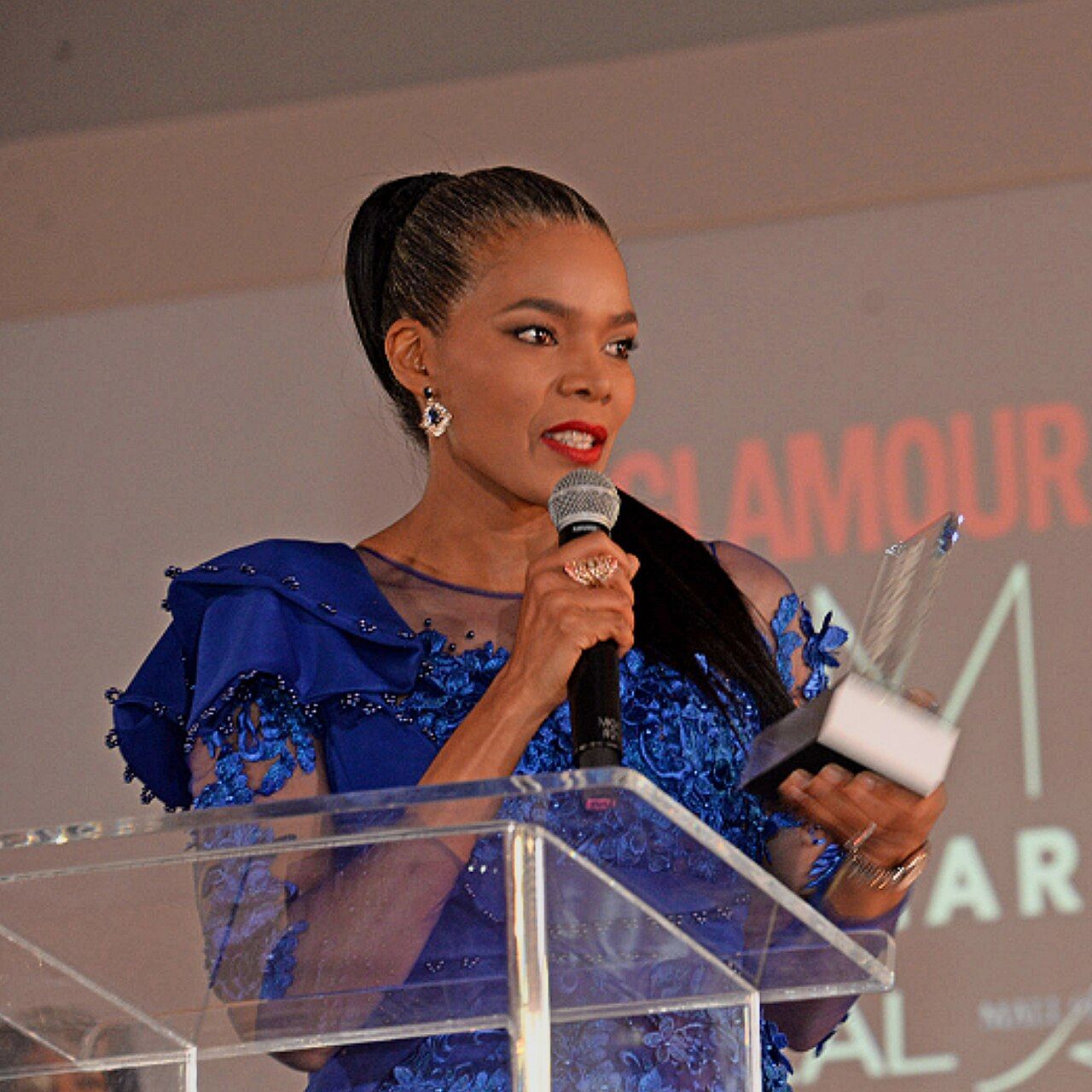
Thando Thabethe barely had time to react. On 947’s Your Story in mid-July, Nonhle Thema casually stated that she brought Twitter back from the US and introduced it to South Africa. By the time the clip hit social media, the country was in full meltdown. Memes flew. Old interviews resurfaced. Somizi had a field day. And somewhere between the laughter and the quote-tweets, we lost the plot entirely.
Because here’s the truth nobody actually disputes: Nonhle did not introduce Twitter to South Africa. Early adopters were already on the platform years before her claim. I saw the pushback myself. People who joined via Blackberry BIS in 2007 and 2008 were quick to remind everyone that the local timeline was alive and well before she boarded that flight. One user noted she only went to the US in 2011, by which point plenty of locals had already staked their claim.
But we aren’t really fighting about server logs. We’re fighting about who gets to be a pioneer, and who gets laughed at for remembering their own impact.
The Timeline Doesn’t Lie, But Neither Does the Hype
Nonhle’s version is specific. She found Twitter in America, brought it home, and South Africans joined en masse to follow her. It’s a classic celebrity origin myth. It’s also factually wobbly. The platform had South African users before her peak fame, and the tech-literate crowd wasn’t waiting for a TV presenter to validate their social media habits.

Still, there’s a gap between “introduced” and “made it matter to the mainstream.” Nonhle was the Channel O golden girl, the star of Nonhle Goes to Hollywood, the presenter interviewing Rihanna and 50 Cent when South African entertainment still felt like it was knocking on the door rather than walking through it. If you were a young Black woman in Sandton or Soweto looking for aspirational culture in the late 2000s, she was the blueprint. She didn’t build the house, but she absolutely threw the housewarming party that made everyone want to move in.
The mockery came fast. Viral clips, sharp comebacks, and a general sense that she had lost the plot. What struck me, though, was how quickly the conversation shifted from correcting one claim to dismantling an entire legacy. We didn’t just say she was wrong about Twitter. We acted like she had never mattered at all.
What Thando’s Face Revealed About SA Media
Thando Thabethe’s facial expressions during the interview became their own scandal. Some viewers called her disrespectful to a legend. Others said she was simply surprised. I think she did what South African media often does when a woman declares her own greatness without asking for permission first. She looked skeptical.
That skepticism is selective. Male industry figures routinely claim they built entire scenes from scratch, and we nod along. But a woman insists she brought a platform to her people, and suddenly we need receipts, timestamps, and sworn affidavits. The reaction wasn’t proportional. It was personal.
Nota Baloyi stepped into the fray with a defense that reframed the whole thing. He didn’t waste energy on the Twitter technicality. Instead, he talked about her pay standards, her industry muscle, the fact that she was demanding what she was worth before “influencer” was even a taxable job category. That’s the angle most coverage skipped. While the timeline was being forensically examined, he reminded everyone that Nonhle helped set the economic template for South African celebrity culture. In a landscape where today’s richest stars negotiate brand deals off metrics she helped normalize, that’s not nothing.
There’s also a clear generational split in how this landed. Younger users who grew up on Instagram and TikTok don’t remember a time when local celebrity wasn’t algorithmic. They see her claim and think delusion. Older heads remember when South African stars had to beg for international press attention one by one. To them, Nonhle wasn’t just on Twitter. She was the reason their cousins finally cared about it.
The Erasure Is the Point
This whole episode sits inside a bigger pattern. South African media has a habit of diminishing its female pioneers until it’s convenient to resurrect them as nostalgia bait. We saw it recently when Zindzi Mandela’s absence from a major documentary raised uncomfortable questions about whose stories get told fully and whose get edited for brevity. Nonhle is experiencing the same dynamic in real time. Her legacy is being trimmed to fit a headline.
The defense that resonated most online didn’t argue the technicality. It called her the “original OG baddie,” the “It Girl” who made glamorous, global-facing Black celebrity culture feel accessible before social media saturation turned everyone into a content machine. That’s the part the mockery misses. Whether she tweeted in 2009 or 2011, she was already shaping the culture that would eventually dominate the platform. Kaya959 captured this well in revisiting why she remains the real deal for an entire generation.
Nonhle Thema overstated her role in Twitter’s South African origin story. We can admit that and still keep our dignity. But we should also be honest about why that overstatement rankles so deeply. We don’t like women who crown themselves, especially not women who were already famous when we were still figuring out how to use a Blackberry. The platform didn’t need her to exist. South African pop culture, however, needed her a lot more than we care to admit. And maybe that’s the real reason we’re still talking about it a week later.