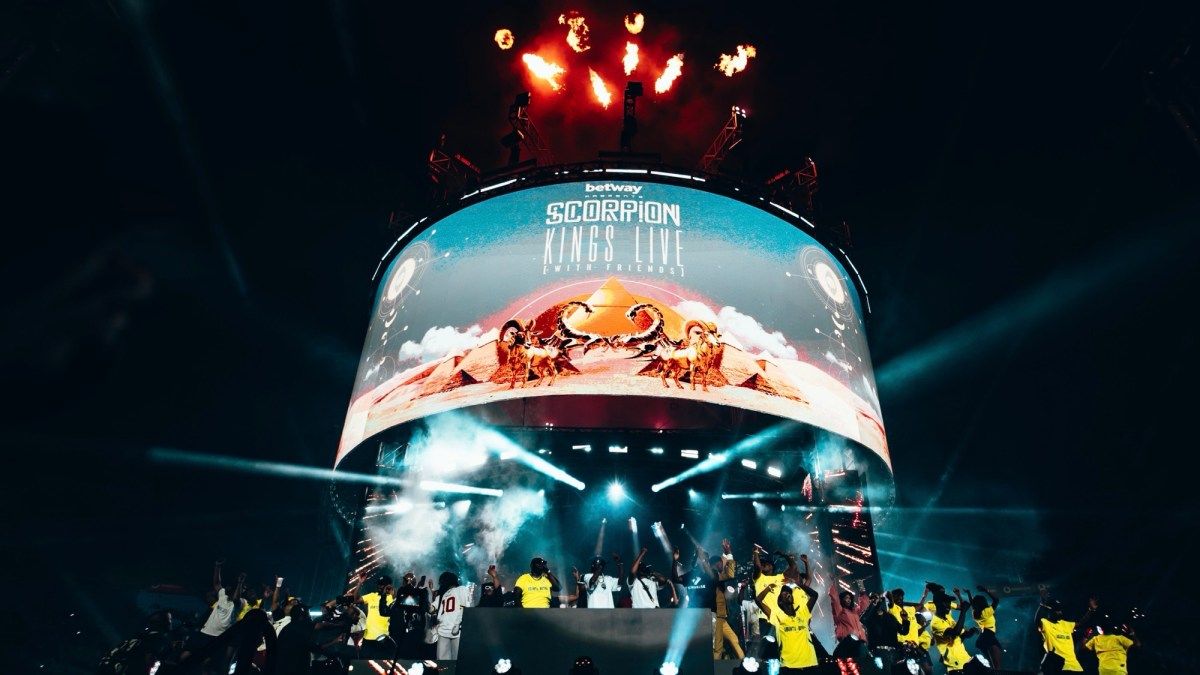
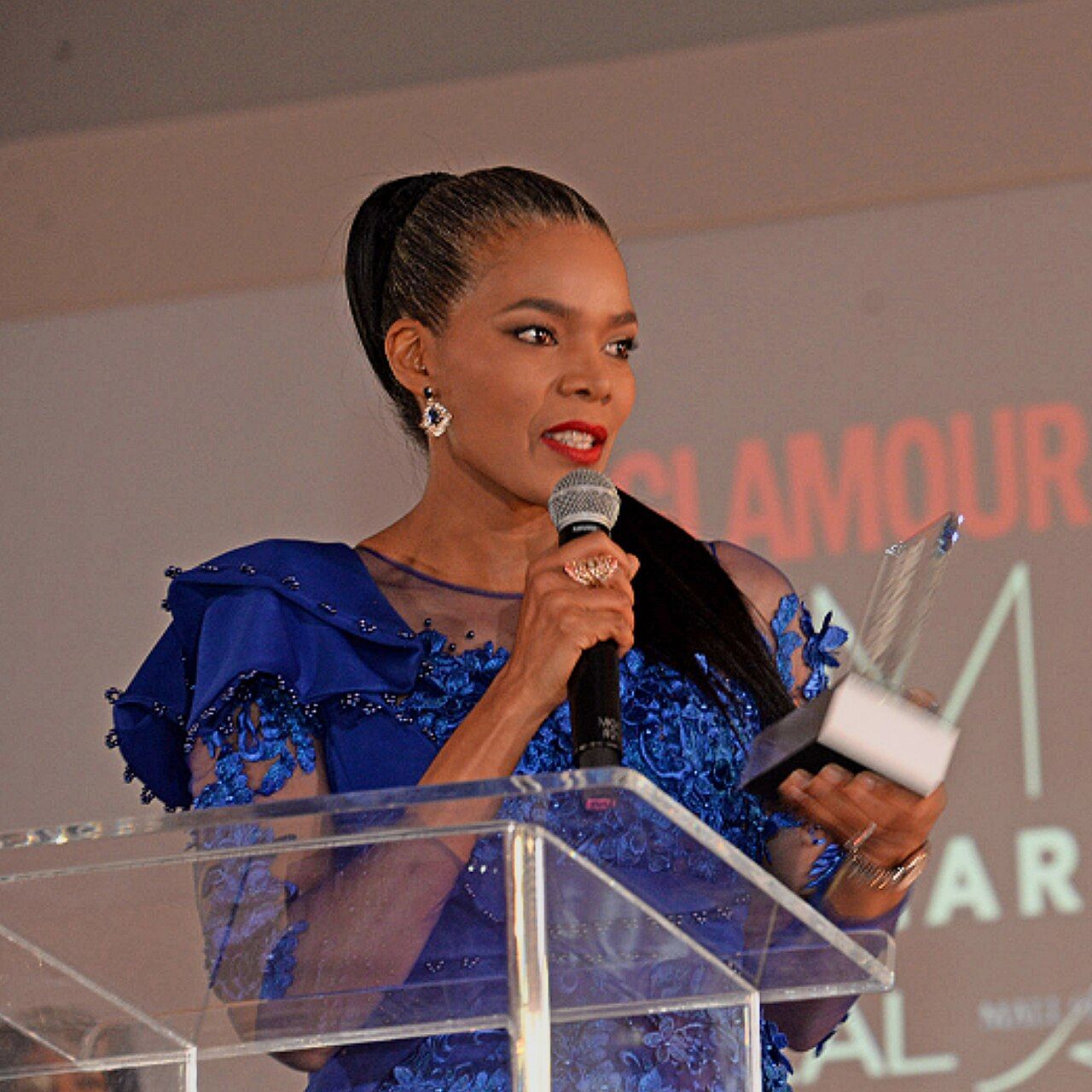
The 32nd South African Music Awards rolled into the Sun City Superbowl in the North West on Saturday night, broadcast live on SABC 1 with Cassper Nyovest and Zanele Potelwa sharing hosting duties. If you were expecting a coronation of the latest amapiano viral hit or a TikTok soundtrack darling, you missed the plot entirely. Maskandi and gospel walked away with the hardware. HLE took Album of the Year for The Ground We’re On and Female Artist of the Year. Mzukulu snatched Male Artist of the Year and Best Maskandi Album for Ng’funa Intozami. The so-called Homecoming Edition felt less like a reunion with global trends and more like a return to the music that still fills taxi ranks, Sunday services, and kitchen parties from KwaZulu-Natal to Limpopo.
That is the story. Everything else is just footnotes.
The Genres That Actually Run the Country
Mainstream coverage will frame this as a surprise. It isn’t. HLE’s sweep, including her Best Contemporary Faith Music Video win at the Industry Awards, confirms what anyone who has sat in Sunday traffic near a megachurch already knows. Gospel isn’t a niche here. It’s a dominant commercial force with dedicated radio stations, touring circuits, and merchandise tables that rival any pop arena. Bucy Radebe adding Best Traditional Faith Music Album only thickens the plot. Meanwhile, Mzukulu’s Maskandi victory, backed by wins in the Motsweding FM and uKhozi FM categories, shows the genre’s ecosystem is deeper than playlist algorithms suggest. These stations don’t just play the music. They crown kings.
Makhadzi’s win for Best Traditional Music Album reinforced the same idea. Watching her acceptance, you saw an artist who still treats the trophy like it matters. I spent time scrolling through the immediate reaction online, and the sentiment was unmistakable. Fans celebrated her humility, calling her a true diva and a cultural representative who never forgets her roots. That reaction matters. It signals a hunger for artists who don’t act above the ceremony.
And then there was Tyla. She collected the AfriPure International Achievement Award, and the homecoming framing stuck because it was real. She looked like someone who knew exactly where she was, sharing space with Oskido and the elders who built the road she now travels globally. Oskido received top honours too, a quiet reminder that the architects of this industry still get their flowers. It was a neat counterpoint to the night’s bigger theme. You can leave, but the foundation stays here.
The Empty Seats Nobody Wanted to Talk About
But the aftertaste wasn’t all sweet. Mzukulu didn’t show. He was at a funeral, which is about as legitimate a reason as you can find in South Africa, yet his absence joined a noticeable pattern of missing winners. Viewers picked up on it immediately. I saw the complaints roll in within minutes. People asked whether the SAMAs still carry enough prestige to demand a cleared schedule, or if artists are simply overbooked between family obligations, gigs, and a cluttered awards calendar that stretches from January to December.
This isn’t a simple no-show scandal. It’s a logistics problem. When a Maskandi star chooses a funeral over a Sun City stage, he’s making a cultural choice that the ceremony’s organizers can’t afford to ignore. The fact that multiple winners were absent suggests the SAMAs are competing with real life, not just other award shows. That’s a harder fix than shaming artists on social media. The hybrid and pre-recorded elements didn’t help either. Without the raw energy of a fully live room, an absent winner feels like a missing brick in an already shaky wall.
There is also the confusion between the main ceremony and the Industry Awards. Casual viewers trying to track HLE’s full haul had to navigate a split that insiders understand but outsiders find opaque. It’s a small friction, but on a night already battling empty seats, it adds to the sense that the broadcast was speaking to the industry rather than the country.
What SAMA32 ultimately delivered was a mirror. The reflection showed an industry where the most streamed sound isn’t always the most honored one, and where the artists who move the most physical units and fill the most church pews can still dominate a 32-year-old institution. If you’re a label executive betting everything on digital trends, this night was a warning. The money might be in the streams, but the soul is still in the stomp of Maskandi guitar and the swell of a gospel choir. Next year, the SAMAs should lean into that instead of apologizing for it. And maybe they should check the funeral calendar before they lock the date. The official SAMA32 winners page has the full list for anyone still catching up.