Every so often a tax cut does exactly what it promised. On 1 April 2025, National Treasury and the Department of Communications and Digital Technologies scrapped the 9% ad valorem luxury duty on smartphones selling under R2,500. Data from the eleven months after the change shows entry-level volumes up roughly 80%, about 1.1 million extra devices in people’s hands, and feature phone sales down 87%.
That’s the part everyone celebrates, and fair enough. What has my attention is the other trend. A global memory price crunch is quietly shrinking what R2,500 buys, right under a threshold that never moves unless a budget speech moves it.
What the duty cut actually changed
The numbers are blunt. Monthly unit growth in the sub-R2,500 band swung from -7.9% before the relief to +6.2% after, and monthly market value climbed from R2.7 billion to R3.1 billion. Communications Minister Solly Malatsi has leaned on these figures hard, and his framing holds up: for most of this country the phone is the bank, the classroom and the job centre at once. He put it plainly when the GSMA’s evaluation landed.
Here’s what the celebration skips. The feature phone didn’t die of price alone. WhatsApp support on KaiOS handsets has been sunset, so the phone many low-income households already owned could no longer run the one app this country actually runs on. The 87% collapse in feature phone sales is as much a compatibility cliff as an affordability story, and the duty removal landed at the exact moment there was no excuse left to stay on the wrong side of it.
Manufacturers noticed before the commentary did. When I dug through lineup changes since the relief kicked in, the tell was Honor. Its sub-R2,500 range grew from two models to three, and the company held one under R2,000 even as CEO Fred Zhou pointed out that memory costs have doubled or tripled globally. That’s not generosity. That’s a product roadmap drawn around a duty cliff, which makes R2,500 a spec decision as much as a price point.
The threshold is quietly working against buyers
Since January, the global RAM and storage crunch has put OEMs in a bind at the border: shave specs to stay under R2,500, or cross the line and eat the 9% duty plus its knock-on effects. So the relief is eroding in a way price trackers won’t catch. The sticker stays the same while the phone inside the box gets poorer. We saw the same lag when Ryzen pricing and availability showed how component shocks reach SA shelves months after the headlines.
Worth remembering the phone isn’t literally tax free either. The 15% import VAT still applies, calculated on an arrived trade value that includes a 10% uplift, so the relief removes one tax out of two. Duty free is shorthand, not a promise.
I also went back through the forum reaction from when the removal was announced in 2025, and the dominant take was pure skepticism. Retailers would pocket the margin, shelf prices wouldn’t move, and the threshold should have been R10,000 anyway. Eighteen months on, the volume data has settled the pass-through argument. The threshold argument hasn’t been settled at all, and it’s now the more interesting one.
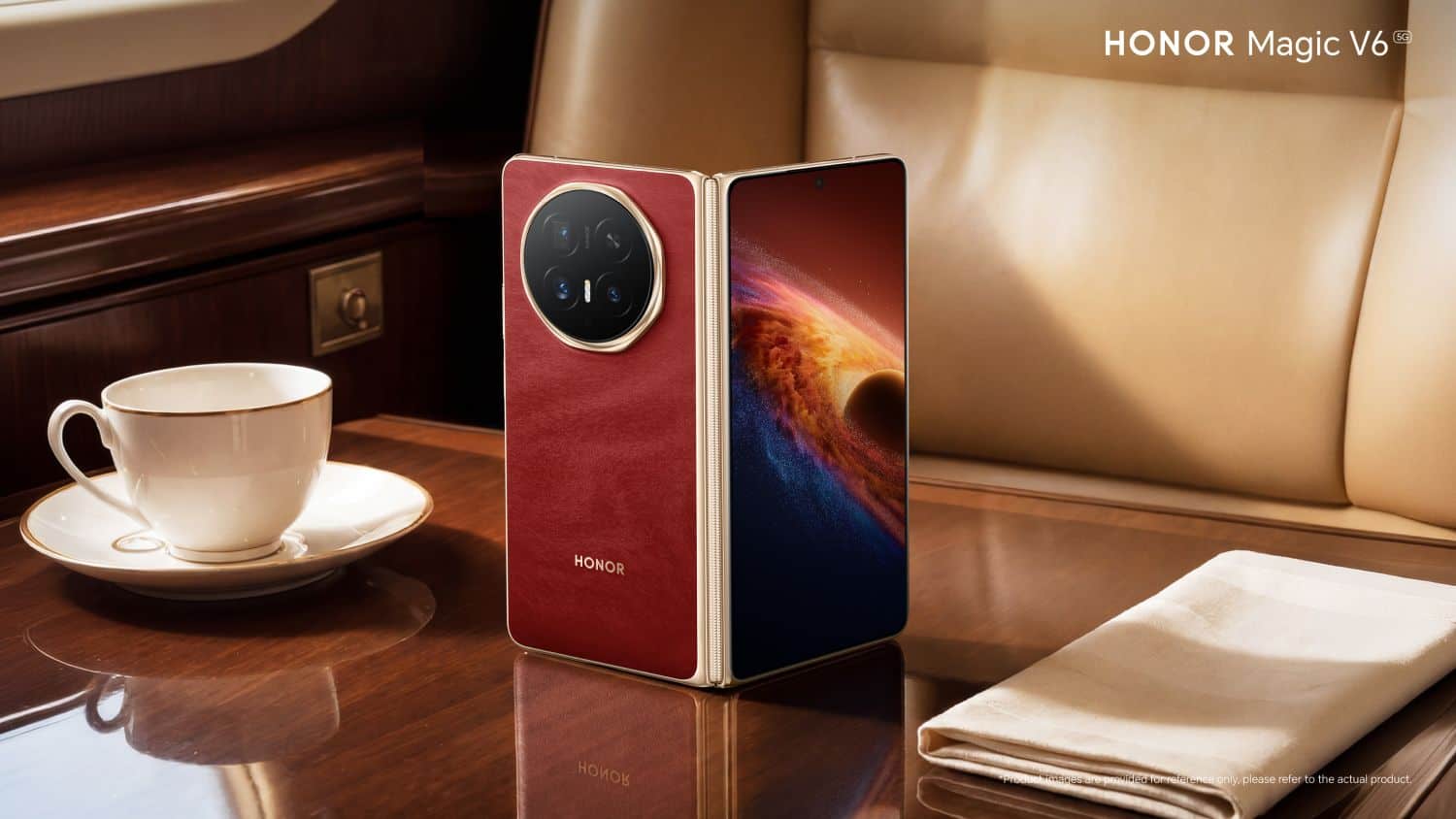
Meanwhile the flagship discourse is doing its loudest impression of relevance. Between the R40,000 Honor Magic V6 that launched in Cape Town and the folding iPhone expected locally around October at a similar price, the takes write themselves about a widening digital divide. I don’t buy it. A R40,000 foldable was always a luxury object and its price tells you nothing about policy. The divide lives at R2,500, exactly where the relief intervened. Anice Hassim called that framing trollbait in a post last week and got there before I did:
Two separate debates, exactly as that post argues. One is about enthusiast tech. The other is about whether a domestic worker can open a banking app. Only one moves the needle for millions of people.
Index the threshold or lose the gain
The GSMA is now shopping this policy around as a template for other African markets chasing sub-$100 device adoption, and they should copy it. They should skip our mistake, which is pinning the threshold to a number and a date and moving on. If memory costs double again, a phone that qualifies today won’t qualify in 2027, and nobody will have repealed anything. The gain just evaporates by attrition.
Treasury has two honest options. Index the R2,500 line annually against CPI or component costs, or accept that entry-level phones will shed RAM until they’re barely better than the feature phones we just buried. I know which future I’d fund.
Three things to watch from here. Whether the 2027 budget speech touches the threshold, whether the sub-R2,500 band can still offer 4GB of RAM a year from now, and how the value war between Honor’s X-series, Samsung’s A-series and Xiaomi’s Redmi line plays out under R3,000. We already tracked how SA smartphone sales climbed 17% against shifting price dynamics, and this policy is a big chunk of that arithmetic.
This is the most effective connectivity intervention this government has managed in years, and it cost Treasury a rounding error in a duty line most people couldn’t name. A million first smartphones is not a small thing in a country where the phone is the computer. I’d just rather see that number defended by an indexed threshold than by luck, because R2,500 was a sensible line in April 2025 and it’s nobody’s job to notice when it stops being one.