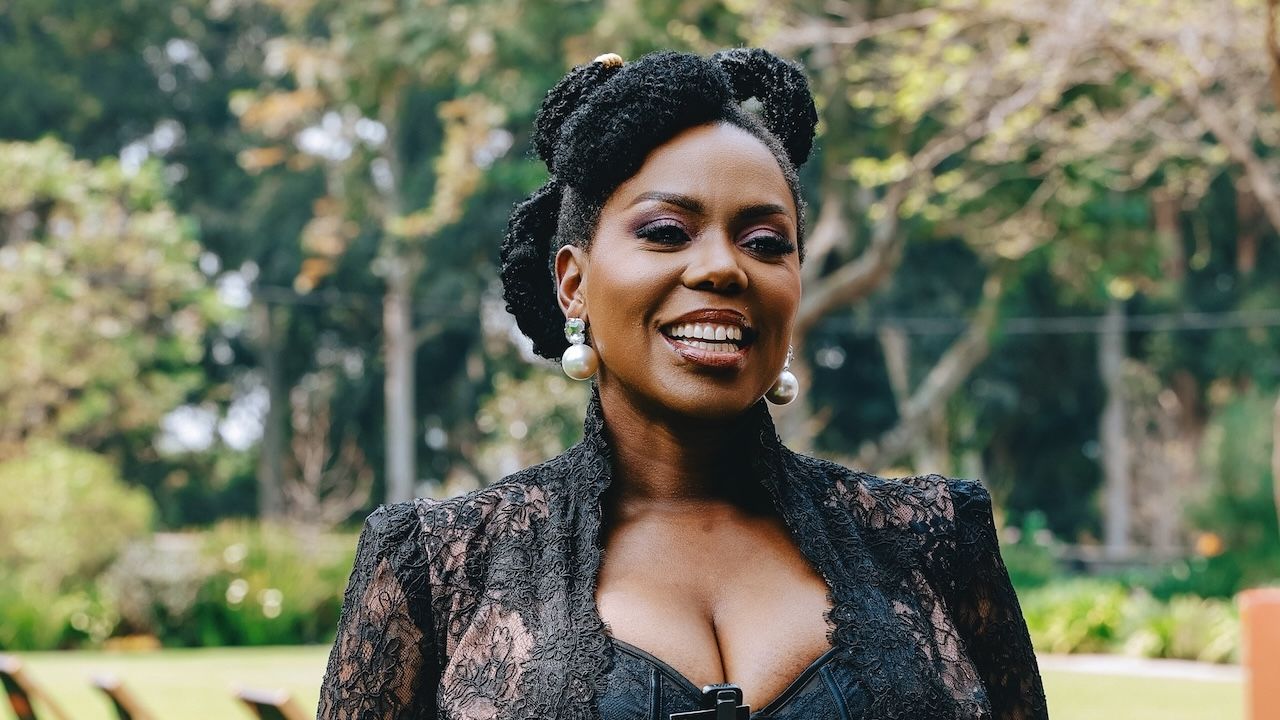
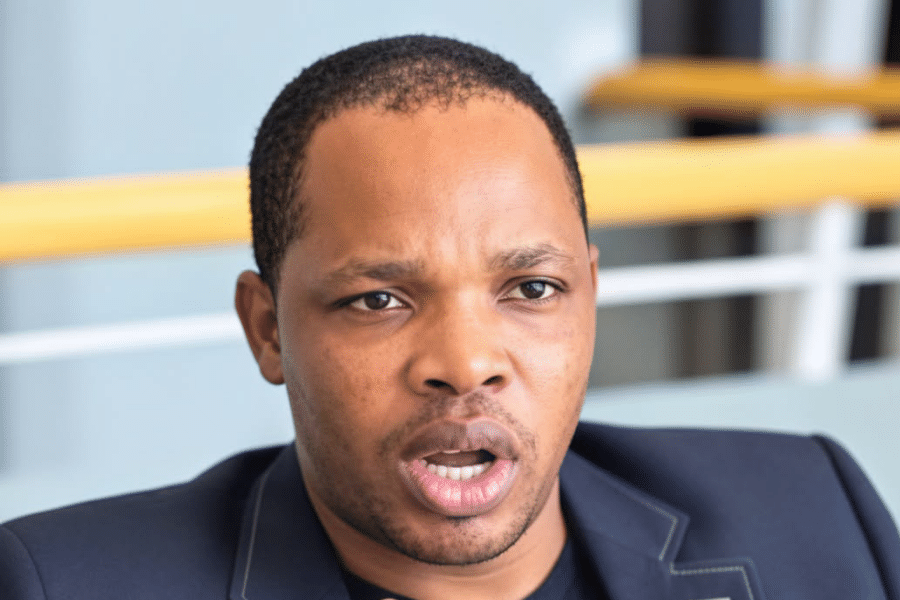
On Thursday, 3 September 2026, Mpumelelo “Sbindi” Mseleku finally paid lobola for Tirelo Kale, the mother of his son Singabakho and his partner since around 2021. Tirelo confirmed it herself with ceremony photos on her Instagram, and half of Mzansi immediately crowned her “Mrs Mseleku.” Here’s my problem with that: the lobola isn’t the story. What happened around it tells you everything about how polygamy, family power and reality TV actually work in this country.
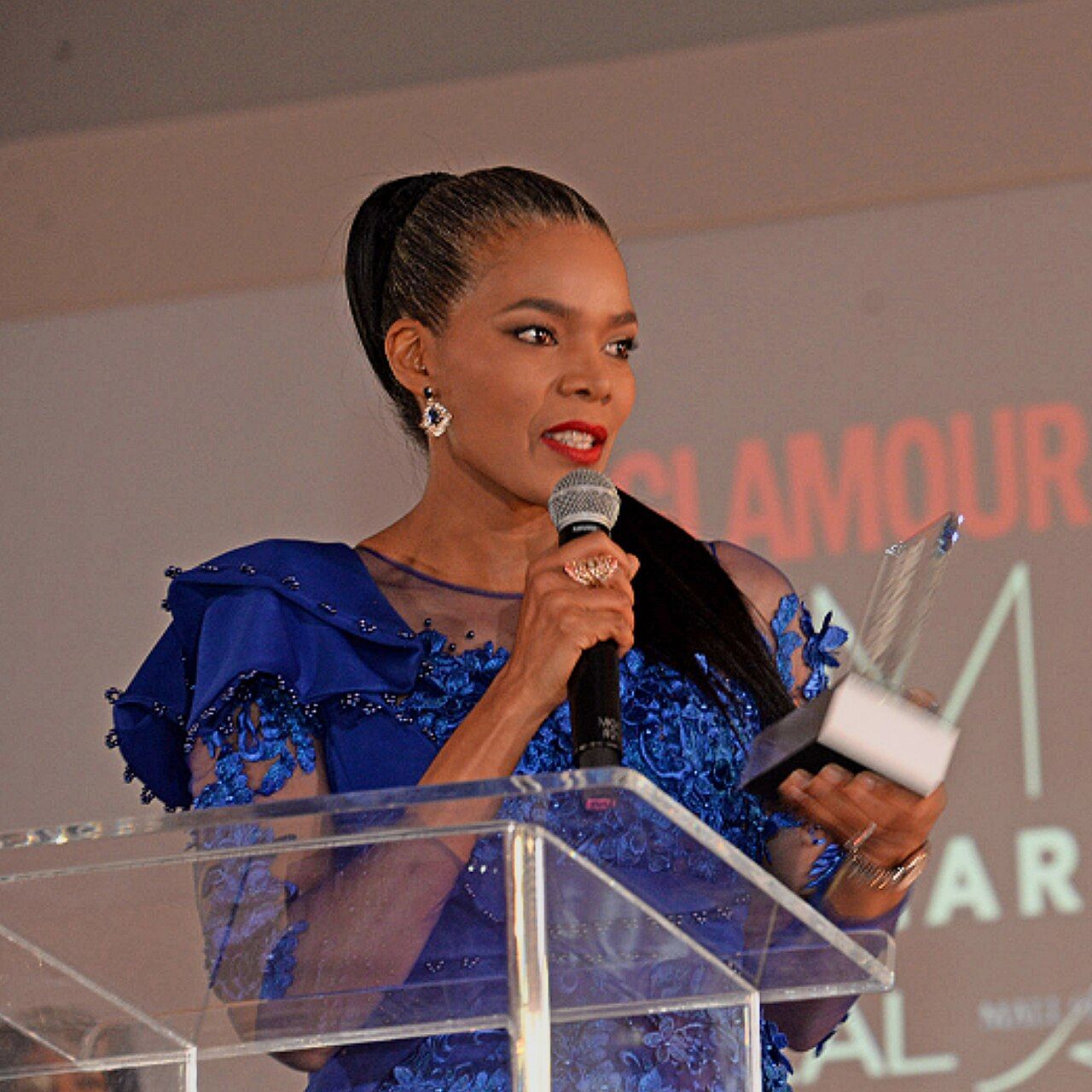
Because here’s the detail nobody is sitting with properly. MaYeni, Mpumelelo’s mother from the Uthando Nes’thembu household, was visibly present at Tirelo’s ceremony. When Amahle Biyela was formalised first, back when she became the first of Mpumelelo’s partners to have lobola paid, MaYeni’s presence was far less visible, and people who follow this family closely noticed the difference immediately. In Zulu custom, the groom’s mother’s role in lobola negotiations is already a contested question, with many families keeping her out of the umembeso and negotiation spaces entirely. So her showing up for one daughter-in-law and not the other isn’t a photo op. It’s a signal.
And I don’t think it’s a random one. Scroll back through Tirelo’s own content and you’ll find her doing brand collaborations with MaYeni, hair content, the kind of soft public bonding that doesn’t happen between a mother-in-law and a girlfriend she’s tolerating. That alliance was built quietly, long before the cattle moved. My read: Tirelo didn’t just wait out her family’s resistance. She built the in-law relationship that Amahle apparently never had, and that’s what got her over the line.
The family said no, and it didn’t matter
Remember why this took so long. Tirelo’s family rejected the negotiations back in 2025, and the reasoning was refreshingly practical: finish your accounting studies, get employed, then we talk. There were also concerns about the relationship itself, which given Mpumelelo’s growing roster of partners was a fair call. That’s a modern, education-first veto from a Tswana family being asked to hand their daughter into a high-profile Zulu polygamous household, and the cross-cultural friction there is something coverage keeps flattening into “family drama.”
What’s interesting is how the veto collapsed. Nothing about Tirelo’s circumstances fundamentally changed except visibility. She’s a reality TV personality on Izingane Zes’thembu, the show keeps filming, and suddenly negotiations that had stalled for years moved within weeks of the new season’s promotion. I’ve watched enough of these Mseleku storylines play out to be cynical about the timing. Reality TV didn’t just document this lobola. It accelerated it. A private family refusal doesn’t survive three seasons of public pressure, and that should worry us a little.

The kneeling clip and the hierarchy nobody wants to name
Then there’s the teaser. A clip from the upcoming episode, promoted around 2 and 3 September, shows Mpumelelo directing Tirelo to kneel while serving him. The reactions ranged from “Tjo” to full arguments about respect and gender roles, and honestly the discomfort is justified. But what struck me more was the framing around it. Tirelo was formalised second, after Amahle, yet the public narrative is already positioning her as the first wife, the primary, the one who “won.”
That’s not how lobola order is supposed to work, and nobody in the family has explained how the hierarchy gets negotiated when the woman with the longer history and the shared child gets paid second. In practice, seniority in these households is a mix of chronology, children, the man’s preference and family acceptance. Tirelo seems to have maxed out three of those four. Whether Amahle sees it that way is the question the show will absolutely monetise.
That old post captures exactly what made this saga resonate. A family saying “she must work first” is a stance thousands of South African parents take quietly every year. Watching it get overridden in public, on camera, is the part that made Mzansi argue for days.
We’ve covered the Mseleku machine before, including the family drama on our screens and celebrity family life, and the pattern holds: the ceremony is the content, but the negotiation is the story. Watch what happens next with Amahle’s positioning, and watch whether MaYeni’s favouritism becomes a storyline. My honest take? Tirelo played this better than anyone gave her credit for, and the discomfort Mzansi feels about the kneeling clip is really discomfort about a system we keep celebrating every time a lobola trends. Congratulations are in order. So is a harder conversation.