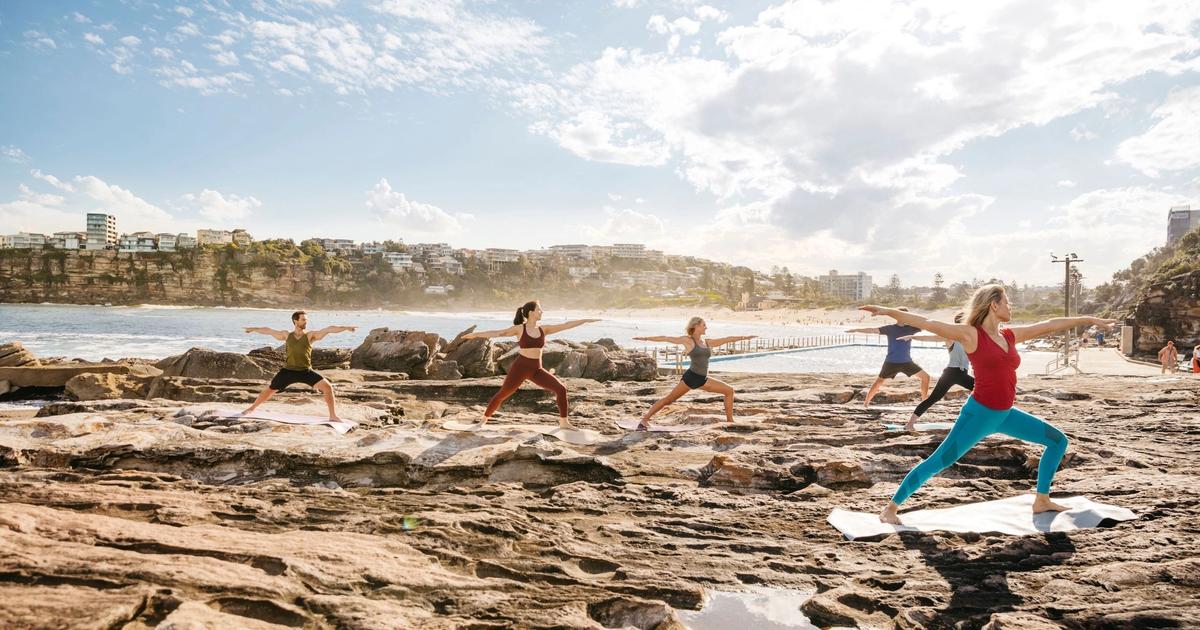
Wellness tourism passed the trillion-dollar mark this year, and the industry has picked its next mascot: water. Not the tiled-pool kind. We’re talking seas, rivers, lakes, hot springs, and slow shoreline walks. The label attached to all of it is blue wellness, and the numbers behind it are genuinely startling, from $990.4 billion in 2025 to a projected $2.4 trillion by 2035. After weeks of digging through retreat schedules, booking patterns, and the psychology research underneath, our take is simple. The water is doing real work. Most of the holidays sold in its name are not.
What the water actually does
The science has a name and a decade of history behind it. Wallace J. Nichols coined “Blue Mind” back in 2014 to describe the measurable shift people report near water: cortisol drops, brainwaves slow, attention loosens into something close to meditation. That part holds up. What’s newer and far less marketed is how far it has gone. We tracked more than a hundred structured blue-space programs worldwide now using surfing, sea swimming, and river work with people dealing with trauma, anxiety, and addiction. These are clinical-adjacent programs with facilitators and outcomes, not spa menus with better views.

Which is exactly the gap. A holiday with a paddleboard on the roof rack is not therapy, and the trend’s marketing blurs that line on purpose. It also blurs a second one. When we looked at what actual travellers say, the polished retreat promos pulled almost no engagement, while the questions people ask are stubbornly practical. Wetsuit thickness. Whether kids cope on a river kayak. Saltwater gear care. Nobody in those threads says “blue wellness.” The label is industry vocabulary, and the people spending money barely use it.
The generational split is just as revealing. Millennials are booking water as family adventure, kayak rivers and reef snorkelling with the kids. Gen Z wants the same water wrapped in digital detox and conservation, which creates an immediate tension. Snorkelling a stressed coral reef is not a low-impact activity, no matter how the itinerary words it. We touched on this tension in our Blue Mind travel guide, and it has only sharpened since.
Where blue wellness runs into trouble
Start with cost and access. The menu runs from onsen soaks in Japan to kayaking the Kumano River to paddling across Lake Chuzenji, and the skill floor varies wildly. Freediving and stand-up paddleboarding demand fitness or prior experience, therapeutic programs come with waitlists and eligibility criteria, and the pricing is premium throughout. That means a lot of what gets sold as blue space is really a hotel room with a view of it. Then there’s the etiquette friction brochures skip. Japan’s onsen rules trip up first-timers, and a Dutch spa chain, BLUE Wellness, runs most of its locations under a strict nude policy that mixed groups and shy newcomers simply won’t book. None of this is disqualifying. All of it is the difference between a good holiday and an awkward one.
And here’s the wrinkle almost nobody covers. Blue wellness already has a rival, and it’s the opposite colour. Beige therapy sells desert silence, darkness, and vastness, and it’s rising in the same season for the same exhausted traveller. We don’t read that as competition. The people gravitating to both want contrast, the sensory flood of water one trip and the stripped-back quiet the next. The most durable model we’ve seen this year leans neither direction. The retreat Blue Zones runs in Sardinia wraps water inside cultural ritual, food, and longevity, the same pattern we flagged when covering star bathing and the stranger corners of wellness tourism. The element is the excuse. The structure is the product.
If you’re planning one, be blunt with yourself about what you want. Water for presence doesn’t need a schedule, and water for healing doesn’t come from a resort brochure. Watch the evidence base over the next year, because right now the outcomes data on therapeutic blue-space programs is thin and the hype is not. The water was never the luxury. The unhurried time in it was, and that part costs far less than the industry would like you to believe.