Yahoo Creators just named Blue Mind Travel one of the biggest wellness trends of 2026, and the timing feels almost too neat. Wallace J. Nichols, the marine biologist who coined the phrase in his 2014 book Blue Mind, died in mid-2024. Since then, the concept has been scooped up by an industry desperate for the next big sell. The Global Wellness Institute says we spent $894 billion on wellness tourism in 2024, nearly double the figure from 2012. That is a lot of money hunting for a scientific excuse to book a flight.
I’ve spent the last week digging into the actual research behind the hype, and the story isn’t what the brochures suggest. The BlueHealth project, an EU Horizon 2020 survey of roughly 18,800 people across 18 countries, found that wellbeing benefits tied to water weren’t about distance or exotic destinations. They tracked most strongly with visit frequency and perceived water quality. Researchers collected that data between 2017 and 2018, yet the pattern still holds up in every recent discussion I’ve tracked. In other words, the numbers reward your weekly walk along a clean local beach, not your annual plunge at a five-star resort. That finding alone should reshuffle how travel brands pitch the trend, but it won’t.
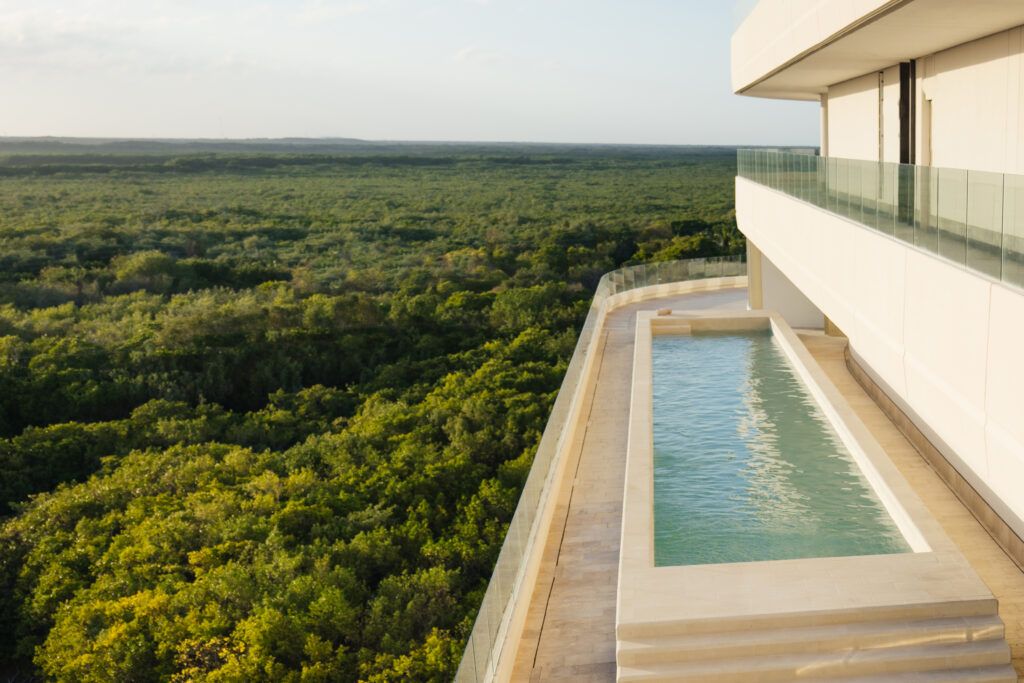
That is a problem for an industry busy packaging Blue Mind as a reason to book cruises and overwater villas. I watched it happen on X earlier this month. One user described the dopamine hit from simply seeing the ocean, framing it as bare-bones brain chemistry with no spa menu required. A promotional travel account used the same term to push a cruise package promising slower heart rates and stress reduction. Same concept, two completely different price tags. The gap between them tells you everything about where this trend is actually heading.
The Research Undercuts the Luxury Pitch

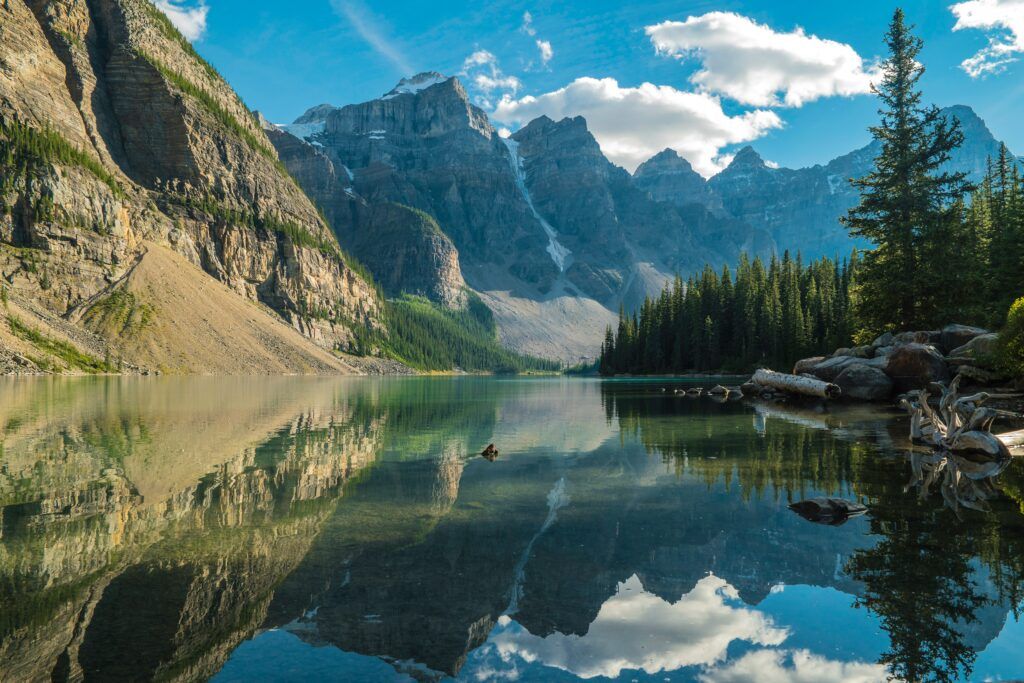
The BlueHealth findings were clear. Coastal blue spaces outperformed inland ones for psychological wellbeing, but proximity mattered mainly because it made repeat visits possible. The science doesn’t say you need the Maldives. It says you need a coastline you can reach often enough to form a habit. Frequency beat distance in the data, and it wasn’t close. You could get the same benefit from a mediocre municipal beach you visit every Sunday, provided the water is clean and you actually show up.
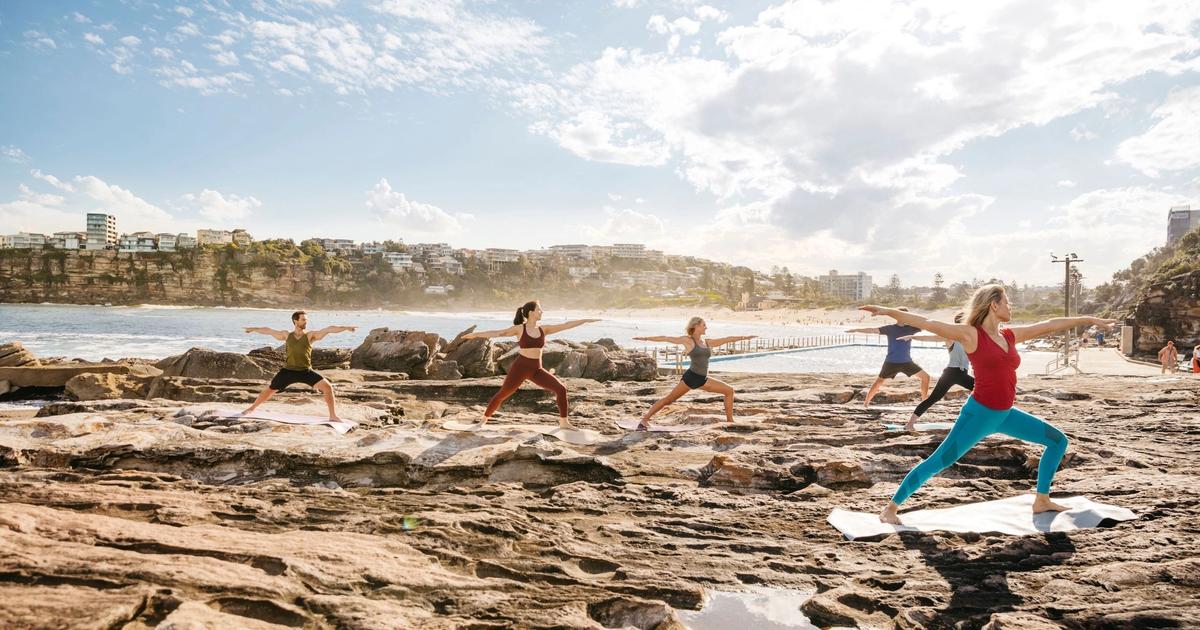
Yet the 2026 marketing machine is doing what it always does. Resorts are rolling out structured Blue Mind programs complete with sound baths and Watsu therapy. The original studies, however, linked benefits to low-effort, everyday activities. Walking, letting kids paddle at the shore, or chatting with a friend on a pier. There isn’t any evidence you need a concierge to unlock the effect. The core benefit is embarrassingly simple, which makes it a nightmare for premium pricing.
This push toward premium wrappers for biological basics isn’t new. We saw the same pattern with other 2026 wellness tourism fads, where the industry repackages instinctive calm as a billable experience. Goat yoga and star bathing got the same treatment. Blue Mind is just the latest free human response to get a booking fee attached.
The Water Quality Problem Nobody Mentions
There’s another layer the trend pieces keep skipping, and it’s the one that could actually ruin your trip. The BlueHealth data depended heavily on perceived water quality and safety. If the water is compromised, the benefit likely collapses. As of late July 2026, Los Angeles County, New York City beaches, and several Iowa lakes were carrying active bacteria advisories. I checked the EPA BEACON map and local health notices before a weekend trip last month. The gaps between official warnings and resort landing pages are startling. In some cases, the resorts using Blue Mind branding sit in regions with spotty summer monitoring, leaving guests to assume the water is fine because the brochure says so.
Marketers love to talk about immersion, soundscapes, and the meditative rhythm of waves. They don’t talk about E. coli spikes after rain, or how a flagged beach can turn a wellness trip into a health risk. The research implies that a contaminated coastline is worse than no coastline at all. That means your nearest clean dam or riverbank on a Tuesday afternoon might outperform a polluted tropical bay you flew twelve hours to reach.
This is where the 2026 conversation gets interesting for South Africans. Local access to blue space is already uneven, and not every coastal town maintains its infrastructure equally. Our recent look at which South African cities actually deliver reliable local hospitality suggests that the quality of surrounding services matters just as much as the view. A broken walkway or murky estuary won’t trigger the calm the studies describe. You need clean water and a safe path to it, not just a pretty photo on a booking site.
Blue Mind Travel isn’t a hoax. The dopamine response, the lowered cortisol, the mild meditative state near water, it’s all real. But the 2026 version being sold to you is largely a geography error. The BlueHealth numbers still hold up. Wellbeing tracks with repeated exposure to clean, accessible water, not with passport stamps. Nichols understood this long before the trend reports caught on. The ocean doesn’t care how far you traveled to reach it.
So skip the packaged program. Find the closest safe shoreline. Go twice a month instead of once a year. Check the local water quality advisory before you leave. The best Blue Mind fix isn’t the trendiest destination on a global list. It’s the one you can afford to visit, again and again, without a boarding pass.