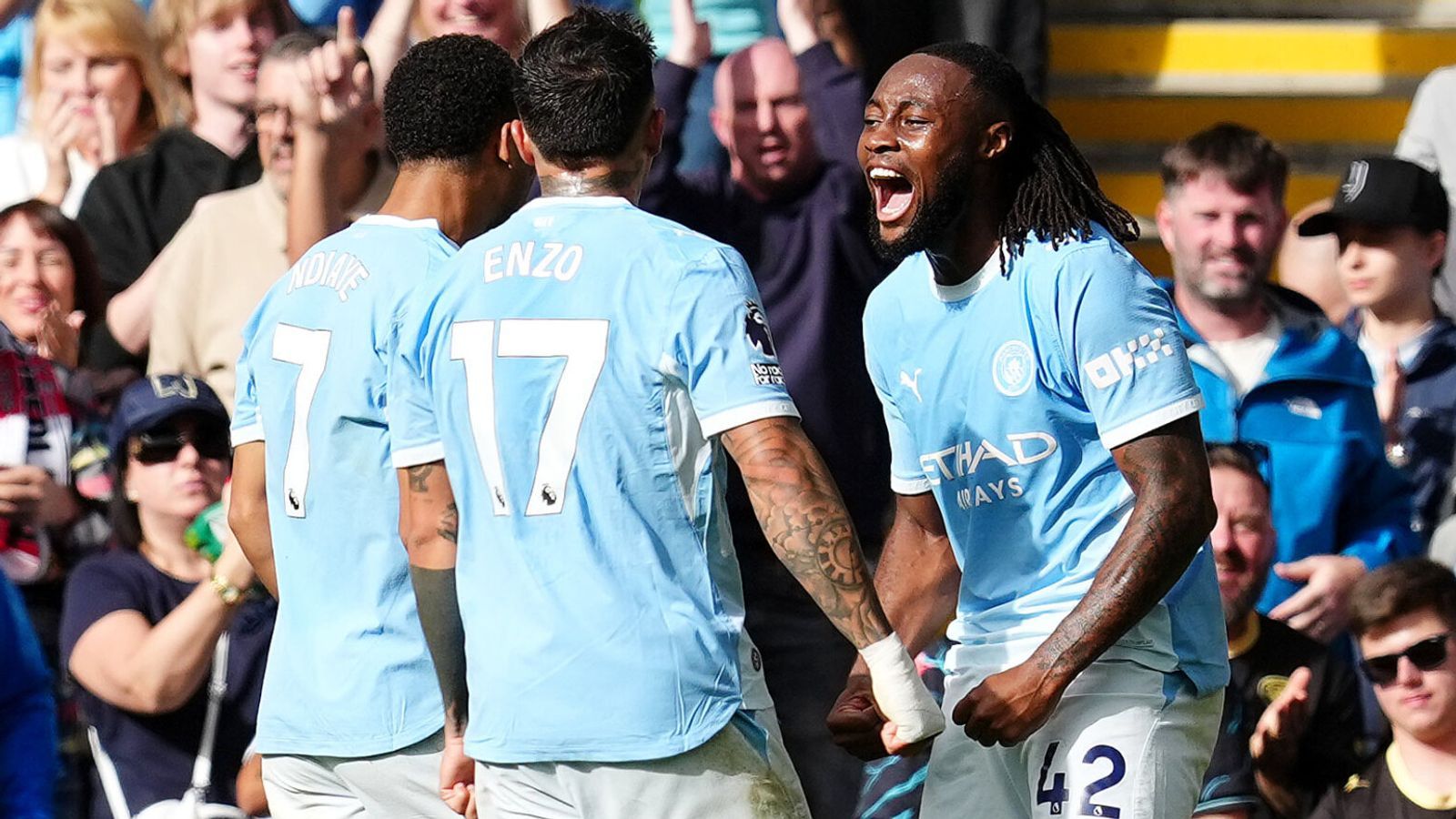
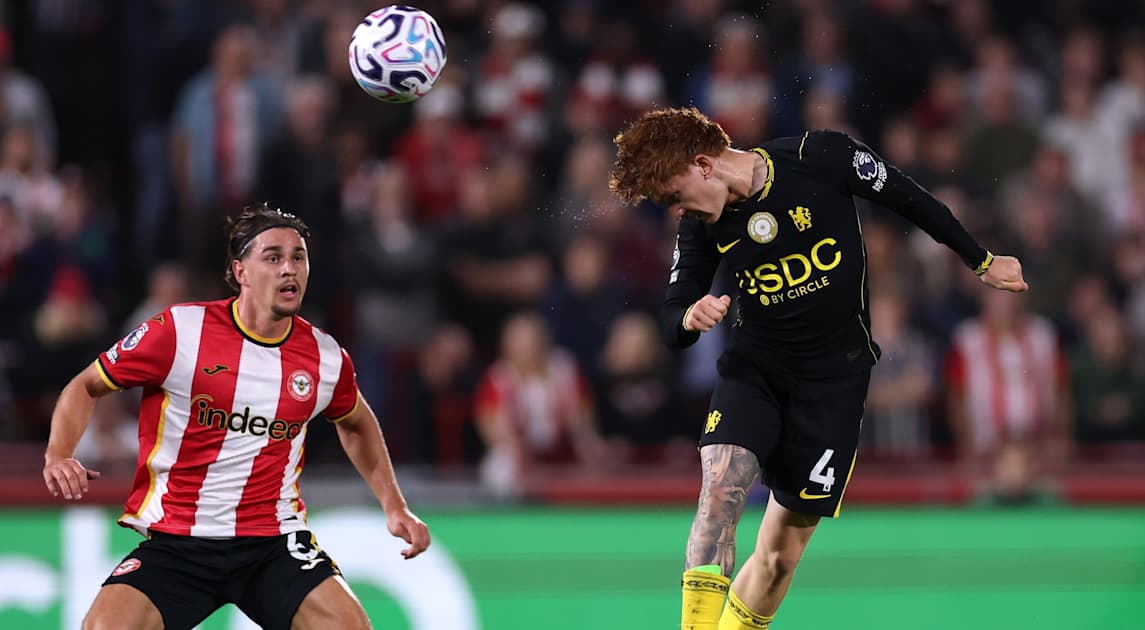
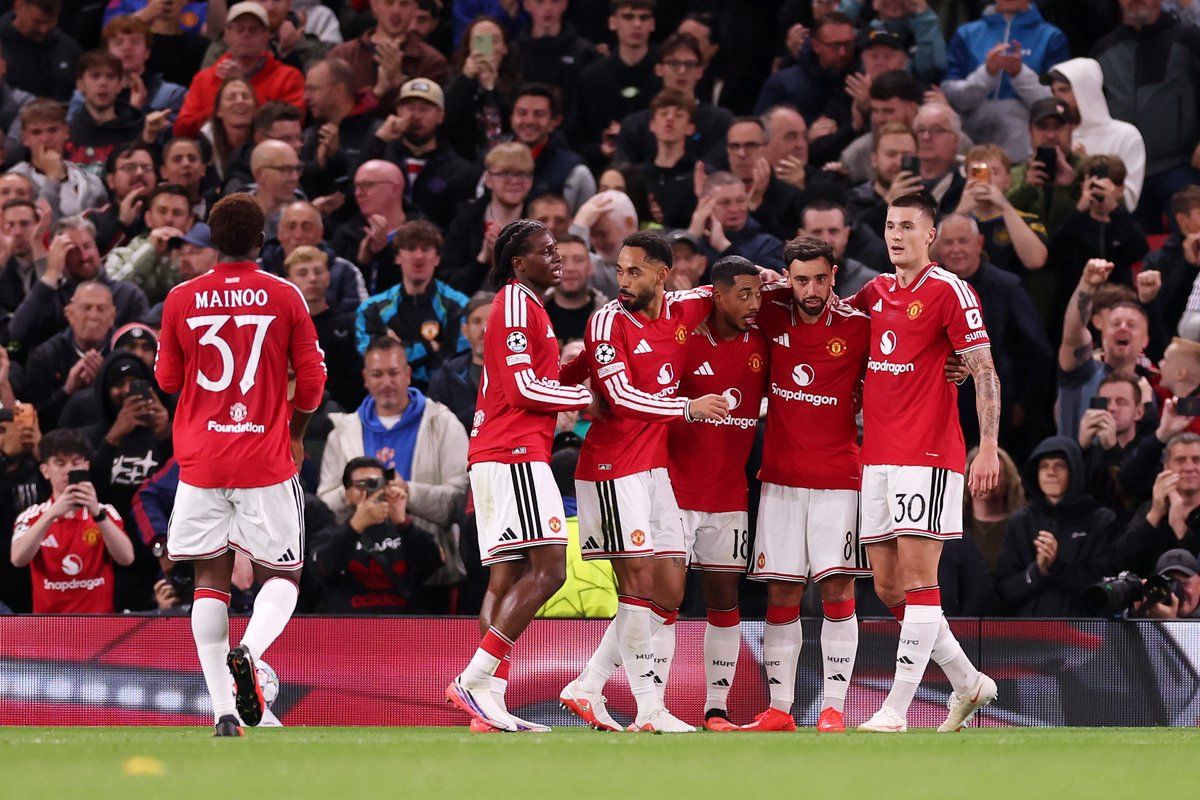
Deadline day finally produced the deal this window was always building towards. Manchester City confirmed the signing of Enzo Fernández from Chelsea for £125m on 1 September, a joint-British record that matches what Liverpool paid for Alexander Isak, with a five-year contract running to 2031. He is now the only player in football history to be transferred for more than £100m twice.
My take is blunt: City didn’t out-negotiate anyone here. Chelsea set the price, set the deadline, and still ended up selling their best midfielder on the final day of the window, with no replacement signed and nothing but an £18m accounting profit to show for it.
Chelsea’s deadline was theatre, and City never bought it
The details I keep circling back to are the ones Chelsea would rather forget. The club told Fernández’s camp back in May that any buyer needed to clear £120m by 5pm on 14 August. That deadline came and went in total silence. No bid, no movement, nothing.
Then the squeeze started. City opened at £104m plus add-ons, Chelsea dug in at £135m fixed, and the whole thing dragged until roughly 5pm on deadline day itself, when both clubs finally settled at £125m. So the August deadline achieved precisely nothing, except guaranteeing Chelsea would negotiate from desperation with hours left in the window.
Worse, they had no fallback. The Lamine Camara deal collapsed at Monaco at the worst possible moment, Caicedo and Reece James are carrying injuries, and Xabi Alonso had already been leaving Fernández out of matchday squads. I spent deadline night reading Chelsea fan forums and the mood wasn’t sadness, it was contempt. Months of notice, over £425m raised in sales this summer, and the midfield still entered September thinner than it started.

Drawn-out exits that please nobody aren’t unique to England either. South African readers will remember the will-he-won’t-he around Khune and Orlando Pirates, and how a saga without a plan tends to end the same way everywhere.
Maresca made this deal personal
Relations between the clubs were toxic before talks even began. City had paid £17m in compensation to take Enzo Maresca from Chelsea mid-season, and Chelsea initially refused to do business with them at all. What broke the deadlock wasn’t a spreadsheet. It was the 18 months Maresca and Fernández spent working together, a relationship strong enough that the manager pushed for a reunion even after City had already rebuilt half their midfield.
And that rebuild is the actual story hiding under the fee. City have spent a Premier League record £458m this summer, roughly £158m net after around £300m in sales, with over £327m committed to midfielders alone, including Elliot Anderson at £116m. Fernández, who scored 15 goals with 7 assists last season, isn’t a marquee name bolted onto an old squad. He’s the centrepiece of a post-Rodri pivot away from the possession-era veterans entirely.
Whether he’s worth £125m is genuinely debatable. There’s a World Cup red card on his record and a temperament question that won’t vanish, and City fans celebrating “winning the window” should remember how previous marquee bets aged. My own read is softer. Fernández joins a team already clicking, the kind of attack that put four past Crystal Palace with Cherki and Haaland doing the damage. He won’t need to carry anything. He’ll need to control games, which is exactly what Maresca bought him to do.
His first comments as a City player, about always dreaming of a club as big as City, will follow him every time he walks out at Stamford Bridge. Chelsea supporters had already branded him disloyal for agitating for a move since spring. That line removed any doubt about how this story gets remembered.
So where does it all leave us? City look like the most complete team in the country on paper, Chelsea look exposed until January, and every agent in Europe just learned something useful: when a manager and a player want the same reunion, deadlines and club posturing are decoration. The £125m fee is the headline. The template it creates is what I’ll actually be watching.