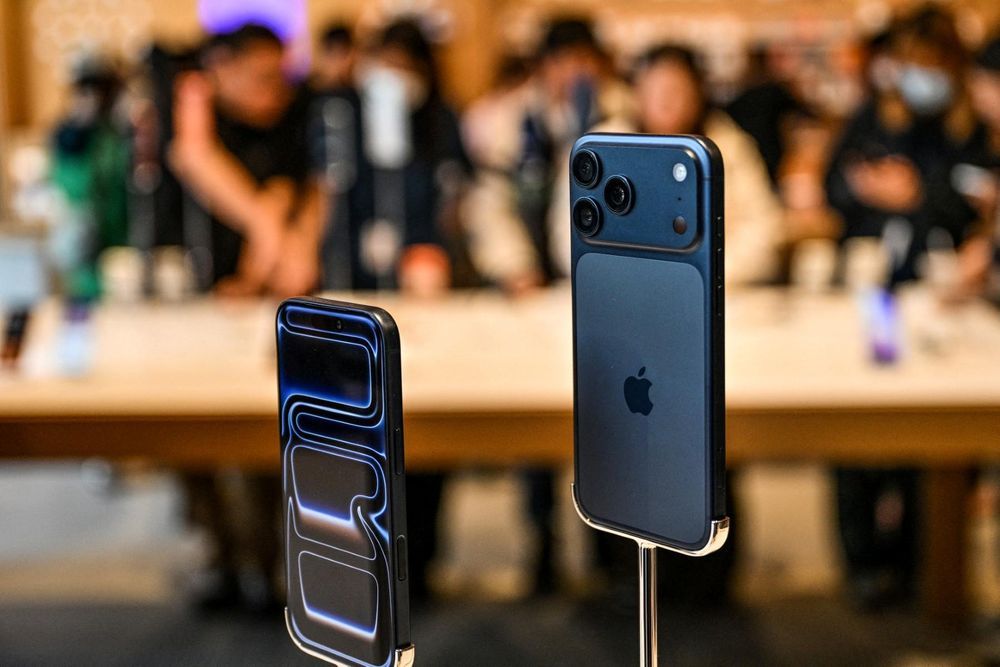
We’ve spent the last eight weeks watching supply-chain whispers harden into near-fact. Now, as the rumour mill quiets down in mid-August, the picture is blunt. The standard iPhone 18 and the budget-friendly 18e aren’t launching this September alongside the Pro range. They’ve been shoved back to the first quarter of 2027. In South Africa, that leaves iStore SA and Digicape preparing to unpack Pro and Pro Max units around October, likely just a week behind the US launch, while anyone holding out for a normal iPhone gets nothing new until next spring. Apple has effectively decided that entry-level buyers don’t get a Christmas this year, and local consumers are expected to shrug and keep waiting.
A Pro-Only October Is a Problem When You Pay in Rand
The split launch first surfaced in supply chain chatter back in May 2025, then crystallised in June when Pegatron and Largan Precision both signalled delays for a major US client. By last month, the optical supplier’s admission that a device model had been postponed into Q1 2027 was being treated as practical confirmation by every reliable outlet. Apple itself has said nothing, and that silence is loud enough to fill a keynote theatre. Community reporting from last year sketched the roadmap early, and recent factory leaks have only traced over it in permanent ink.

Locally, the picture is sharper than what global tech blogs are serving. htxt.co.za flagged back in January that the Pro range could reach South African shelves around October 2026 with a refreshingly short, roughly one-week lag behind the States. But even then, the base model was explicitly pencilled in for 2027. What has changed is the certainty. By mid-August, even casual observers on local tech forums have accepted the timeline as reality. Stuff South Africa ran the headline straight this week. Apple’s stock iPhone 18 is now widely understood as a 2027 product, full stop.
Here is the friction that global supply chain reporting rarely unpacks. South Africa isn’t the United States. The rand doesn’t behave itself, and Apple’s pricing tiers don’t gently float upward here. They spike. A Pro-only launch window forces local consumers to swallow elevated import costs and exchange-rate padding just to buy into the current generation. We covered the rand impact of Pro pricing recently, and the math is brutal. If you are a student in Cape Town or a small-business owner in Durban, the gap between a base model and a Pro isn’t a feature list. It’s a rent payment, and Apple has just told you to pay it or stay on your current phone.
The company trimmed App Store fees for smaller developers not long ago, a move that looks friendly enough on paper. But hardware is where the real margin lives, and hardware is where the wall just went up. That fee cut feels hollow when the entry-level iPhone is gathering dust in a Shenzhen warehouse until next year, while its expensive sibling gets the red-carpet treatment.
The Refurbishment Boom and the Android Shadow
While the international press obsesses over whether Pegatron’s orders point to a memory shortage or a yield issue, the local conversation is different. Buyers on Reddit and X aren’t debating chip architectures. They are asking whether to buy a discounted iPhone 17 now, eat the six-month wait, or simply walk away from the ecosystem entirely. One thread on r/AppleWhatShouldIBuy summed up the mood bluntly: the 17 base is good enough, and the 18 delay is long enough, that switching starts to make sense. iOS 27 beta code has since surfaced referencing the full six-model roadmap, but software confirmation doesn’t ease the sting of empty retail shelves.
This is where Apple’s strategy gets genuinely risky in emerging markets. South Africa already operates under the tyranny of the grey market and the secondhand shelf. Push the new base model out by half a year, and you don’t magically create demand for the Pro. You create demand for the refurbishment centre down at your local mall. The 2027 delay may accidentally supercharge the pre-owned iPhone economy here. It’s an angle nobody in Cupertino seems to have modeled, but it’s visible to anyone who has walked past a Vodacom repair kiosk lately.
There is also the quiet threat from Android. Price-sensitive consumers in Johannesburg and Pretoria have no spiritual attachment to iOS. They have budgets. Samsung, Xiaomi, and Transsion brands update their mid-range lineups on schedule. If Apple is willing to leave a hole in its calendar from September 2026 to March 2027, competitors will fill it with launches that don’t require a rand hedge or a prayer for stock allocation.
Then there is the unanswered question of specs. A spring 2027 base iPhone 18 might ship with meaningful improvements, or it might simply be the leftovers of a delayed production run dressed up as patience. If the memory crunch is the real bottleneck, as supplier leaks imply, then the delayed models may show up merely catching up rather than leaping forward. Rumours suggest RAM bumps for the eventual base model, but nothing is locked. If Apple ships a 2027 phone that feels like a 2026 device with a later sticker, the wait will feel insulting, not justified.
Importers are already hedging bets too. The foldable iPhone, if it lands alongside the Pro units this autumn, will almost certainly be constrained to US and core European allocation first. That leaves ZA resellers scrambling for stock that may not arrive in volume until the holiday season, if then. A split launch for Apple is an inventory nightmare for us, and a pricing gift for grey-market scalpers.
So where does that leave the average South African buyer? If you need a phone before December, the iPhone 17 is your only viable Apple option. If you can wait until 2027, you are gambling that the base 18 warrants the delay and that the rand doesn’t nuke whatever local price Apple eventually announces. Both paths feel like compromises engineered in California and paid for here in instalments we didn’t choose.
Apple has trained the world to expect an annual upgrade rhythm. Break that rhythm for the budget tier while the wealthy get their Pro models on time, and you aren’t managing supply constraints. You are making a statement about who matters. In South Africa, the message is coming through loud, clear, and in a currency most of us can’t afford to ignore. Apple may fix its chip supply by March, but the goodwill it is burning in the process will take a lot longer to replenish.