When the news broke last week that John Legend had been cast as Harry Belafonte in Bill Condon’s apartheid-era drama The Road Home, the headlines wrote themselves. An EGOT winner steps into the shoes of a civil rights giant for a film about Hugh Masekela’s exile and the Graceland tour, shooting right here in South Africa. It reads like prestige cinema bingo. But spend five minutes looking past the press release and you’ll see the same old pattern. South Africa provides the history, the locations, and the pain, while American stars provide the marketable angle.
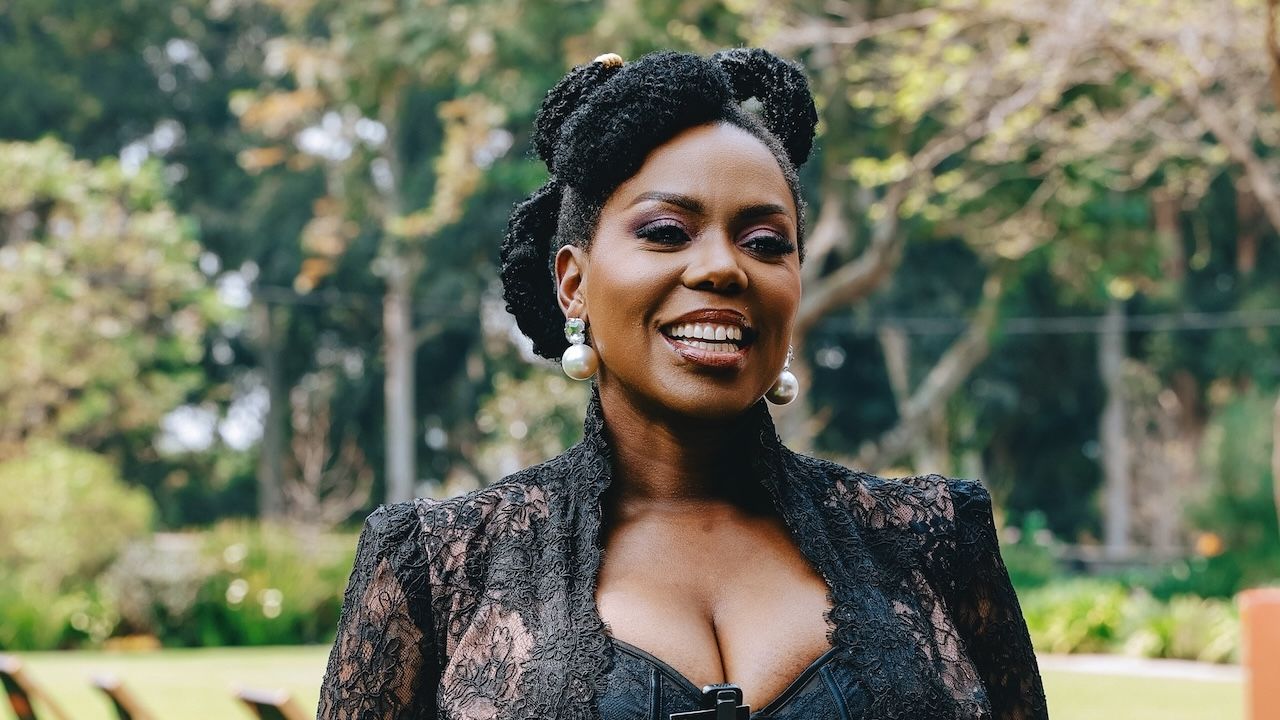
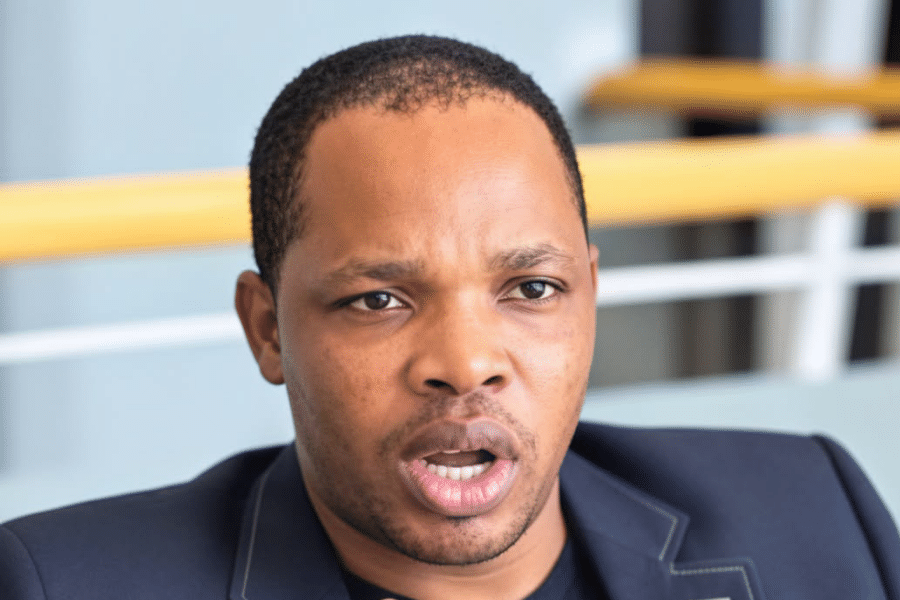
Thabo Rametsi is playing Hugh Masekela. Cynthia Erivo is playing Miriam Makeba. Guy Pearce is playing Trevor Huddleston. The film is reportedly already in production locally. Those are the facts. What’s more revealing is what happened next online.
The Question Nobody in Production Wants to Answer
I noticed something curious while scrolling through the early reactions. Amid the usual celebrity casting reposts, one question kept surfacing with surprising force. Who is paying for this? It’s not a question fans typically ask about Hollywood productions, but it lands differently here. International studios have a long history of landing in Cape Town and Johannesburg for the tax rebates and the scenery, then flying home with the IP and the profits. When a local user pushed back with a simple no thank you, who’s paying for this movie, they weren’t just being cynical. They were pointing out that South African stories often arrive pre-packaged for export, with local talent in the frame but not in the financing.

Then there was the post that simply trailed off. John Legend playing Harry Belafonte in a film about South African apartheid just feels. The sentence doesn’t finish because it doesn’t need to. The mismatch is obvious before you can name it.
Belafonte was undeniably a crucial ally to Masekela and Makeba. He bankrolled activism, used his platform, and paid real costs during the anti-apartheid struggle. Casting Legend isn’t historically absurd. But the way this production is being sold tells its own story. The American supporting role is getting the global headline while the South African lead is treated as a local detail.
The Graceland Shaped Hole
Here’s where it gets genuinely interesting, and where the early coverage is doing audiences a disservice. The Road Home is reportedly anchored around the political and cultural fallout of Paul Simon’s Graceland album and tour. That’s not a polite backdrop. That’s one of the most contested chapters in South African music history. Some musicians saw it as a lifeline during the boycott years. Others saw it as a wealthy American artist breaching the cultural embargo for his own Grammy haul. Masekela himself had complicated, evolving views on the project.
Yet the trade reports and music blogs amplifying this casting news are treating Graceland like a nostalgic playlist cue rather than a live wire. You’d hardly know from the coverage that this topic still starts arguments in Johannesburg jazz circles. If Condon’s film is going to engage with that tension honestly, it needs a perspective rooted in the South African musicians who lived it, not just the international observers who watched from the balcony.
That’s the underreported risk here. The film could easily frame Masekela’s story through the lens of American celebrity benevolence, with Belafonte and Simon as the moral bookends and South Africa as the exotic stage. We’ve seen this before. Local history gets flattened into a backdrop for foreign heroism. It’s the same instinct that turns complex local figures into Twitter punchlines while global productions mine their biographies for Oscar bait. We covered that exact dynamic when looking at how South African pop culture icons get remembered versus how they’re consumed by international audiences.
And frankly, the silence on local crew quotas, writing room composition, and authenticity consultants is deafening. Production is underway, but nobody is talking about who in the room actually lived through the era being depicted, or whose version of the Graceland controversy will make the final cut. International productions love South Africa’s crews, but they rarely trust South Africa’s writers with the final draft. Compare that to how local artists like Young Stunna and Vuyokazi are building luxury brands rooted in their own stories and their own soil. There’s a lesson there about who controls the narrative.
The uncomfortable truth is that The Road Home doesn’t need John Legend to be legitimate. It needs Thabo Rametsi to be unforgettable. It needs Miriam Makeba portrayed as a political force, not a supporting vocalist. And it needs a script brave enough to let South African complexity sit center frame without translating it for American comfort. Legend will probably do fine. He’s a capable performer and Belafonte’s legacy deserves attention. But if this film opens next year and the reviews all lead with the American supporting cast, we’ll know exactly what kind of movie this was always going to be. Another apartheid story that had to ask Hollywood for permission to exist.