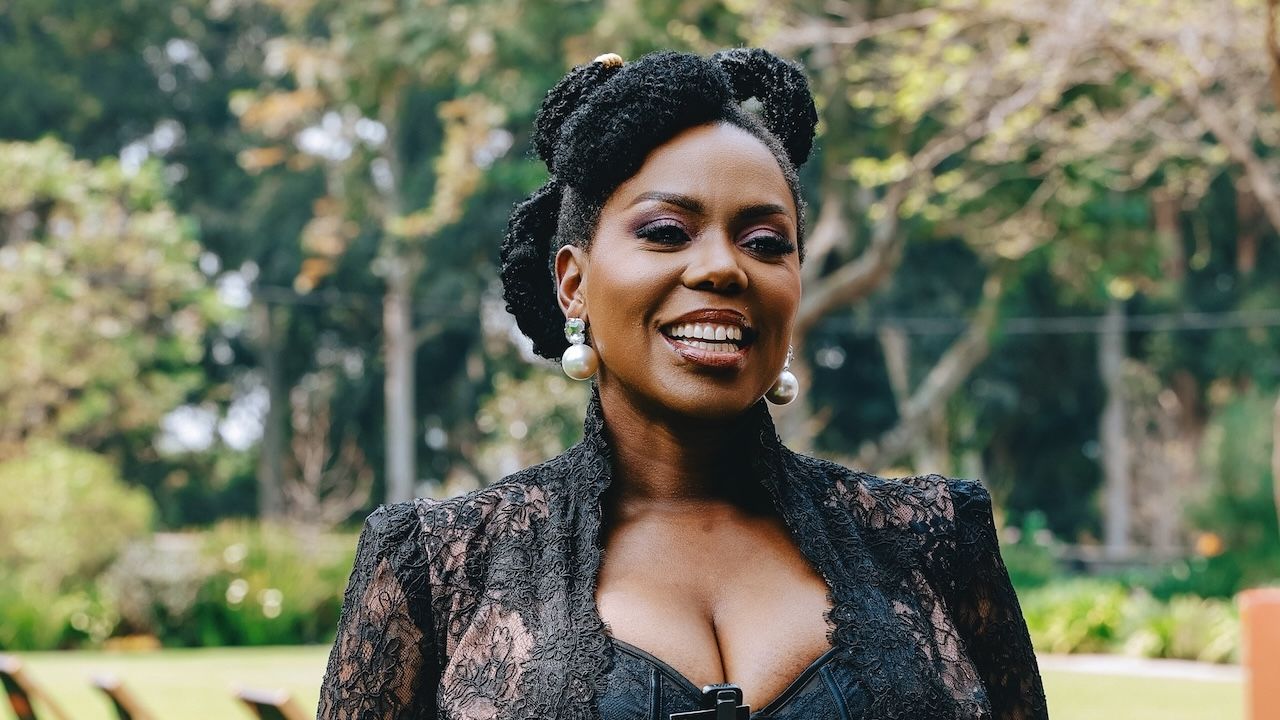
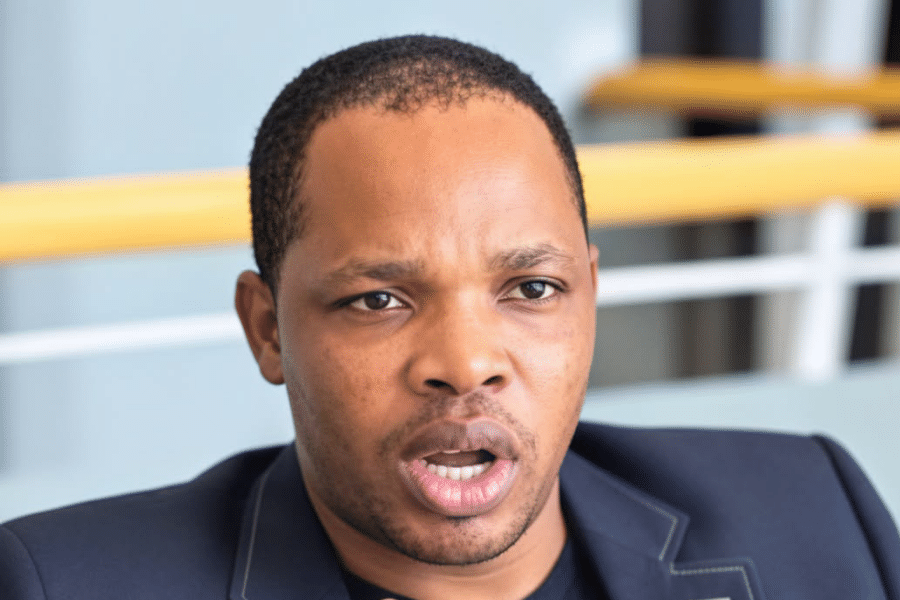
Nadia Nakai and Toss released the Chomi music video on 24 September and by the weekend the timeline had already handed down its verdict. The strange part is that the verdict has almost nothing to do with the video itself. Nobody is clutching pearls over the visuals. Mzansi is reacting to a month-long rollout that has treated ambiguity as a product, and local audiences can smell the difference between a moment and a campaign.
This isn’t a decency debate. It’s a trust receipt, and the numbers prove it.
One month, five engineered moments
Look at the cadence. Early September brought cosy carousels captioned “Chomi ✨”, with fans split between those saying Toss “brings the softness in her” and those calling the whole thing a soft launch. On 10 September the artwork for their joint EP Do’s & Dont’s landed, Nadia in lingerie, Toss shirtless, and X tore into it with the line that naked in 2026 won’t work. On 18 September the pair posted a joint statement on gender-based violence after nine women’s bodies were discovered in and around Ikuleni. Then the video on the 24th, then a Freshmen Magazine live session two days later.
Five headline moments in under four weeks. That’s not a relationship unfolding, that’s a campaign calendar, and audiences feel cadence even when they can’t name it.
The video itself, which features Sino Msolo and Sizwe Alakine, sat at roughly 40K views and about 1K likes five days in when I checked the upload. For an artist with Nakai’s profile, that’s soft. The engagement ratio told the story before the comments did. Yes, it trended on X, but scroll the posts and the complaint is quality and overkill, with people openly asking how the song made it past the pair’s own creative filter. That’s a very different accusation from indecency.
What the comments actually reveal
I spent an evening in the YouTube comments under the official video and the pattern is hard to unsee. The loudest engagement has nothing to do with the music. Shipping comments like “My Rihanna and Rocky” and “couple of the year” sit next to raw speculation about what these two get up to off camera. Buried between them sit the honest ones: “Tryin so hard to enjoy the songs but eish,” and a blunt “Budget maybe” aimed at the production.

When relationship commentary outperforms music commentary on an artist’s own upload, the relationship has become the product. And by 28 September, “chommie, chommie, chommie” had turned into shorthand on my timeline for media stunts and dropping trash. That should worry them, because chomi is bestie slang. It’s warm, platonic, familiar. Wearing it as romantic-adjacent branding while confirming nothing is the entire strategy, and people have clocked it.
The GBV statement makes all of this harder to watch
Credit where it’s due first. The 18 September statement, calling on men to hold each other accountable and sharing helplines, landed well. Purple hearts, respect, genuine appreciation in the replies. It was the right thing to do after what happened around Ikuleni.
But six days later came a flirty, couple-branded video drop, and the whiplash is the point. Nobody is saying artists can’t be playful and serious in the same month. The problem is that when accountability messaging and soft-launch marketing share a calendar, audiences start reading both as content. Once everything reads as content, nothing reads as sincere.
It doesn’t help that Mzansi’s patience for performance over substance is at a low this year. The country mourned Xitsonga music icon Kenny Bevhula earlier in 2026, and the Oscar Mbo funeral-filming backlash showed how fast local audiences turn on celebrities who misread the room. Nakai and Toss are hearing the same message in different words. Stop performing, start being real.
My take is that Mzansi was never prudish about this pairing. The artwork backlash was about effort, not skin, and “naked in 2026 won’t work” is a critique of a dated tactic, not a moral one. The “happy again” comments underneath their joint content show real warmth, especially given what Nakai has survived personally in recent years. That goodwill is exactly what this rollout keeps spending, and goodwill doesn’t refill on schedule.
What to watch from here is simple. Whether the numbers move once the stunt cycle stops, and whether these two ever just say what this actually is. Watch Nadia Nakai’s X for that answer. If the connection is real, silence will prove it faster than any caption. If it’s marketing, the audience has already priced that in.
My honest read is that the music never got a fair listen, and that’s the quiet tragedy of this whole rollout.