Next month, Apple flips the switch on Siri AI for South Africa. We’re on the short list of English-speaking regions getting the beta right out of the gate, which puts us ahead of the EU where DMA red tape has delayed everything. That should feel like a win.
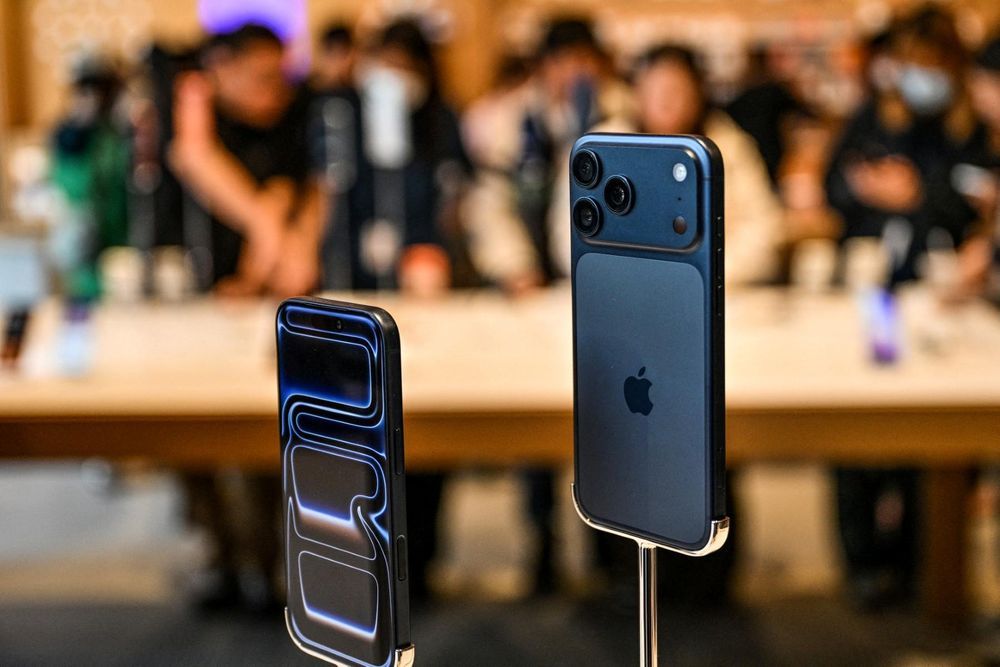
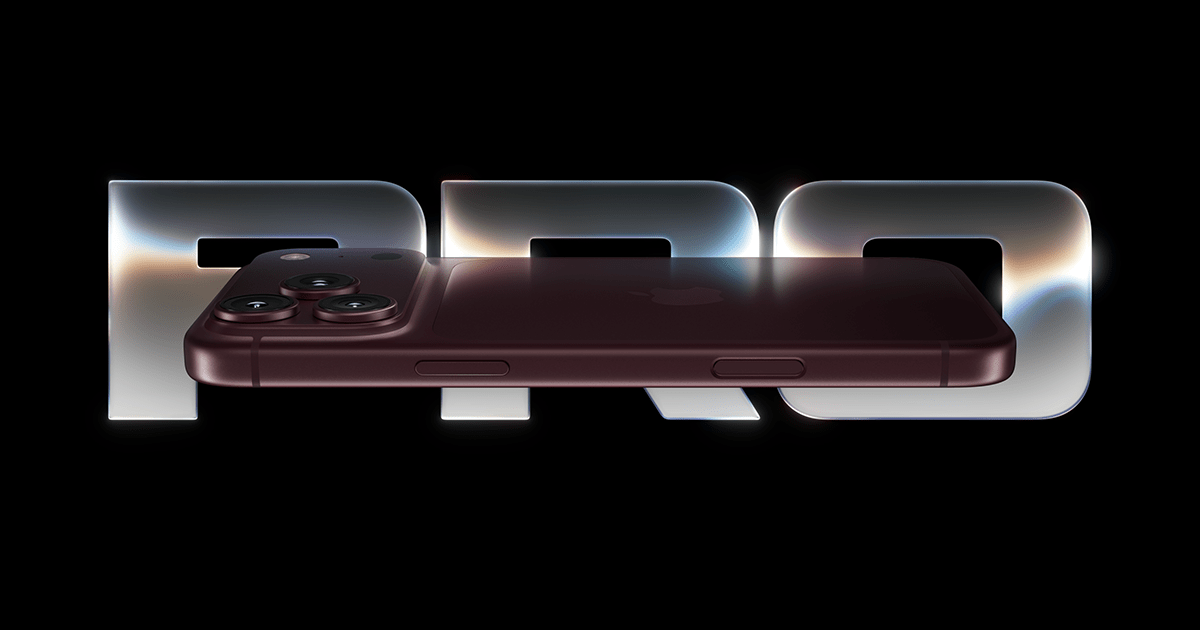
It doesn’t, because the real headline is the hardware wall. If you’re not carrying an iPhone 15 Pro, iPhone 15 Pro Max, or something from the iPhone 16 series, you’re getting iOS 27 and nothing else.
In a market where a flagship iPhone costs more than many people’s monthly rent, Apple isn’t just launching an assistant. It’s drawing a line between who gets the future and who gets a software update.
What the Upgrade Actually Does
Siri AI is not the old voice command system with a fresh coat of paint. Apple rebuilt it around personal context, meaning it can index your messages, emails, photos, and calendar to answer questions like “what time did my mom say she was landing?” It also gains on-screen awareness and something called App Intents, which lets it perform actions across apps without you tapping through menus.
In theory, you could ask Siri to pull an address from a WhatsApp chat, check traffic on the N1, and drop it into your calendar. That theory depends entirely on developers hooking their apps into Apple’s new frameworks. From what I’ve seen in early beta chatter, adoption is patchy. Local banking apps, ride-hailing services, and delivery platforms haven’t rushed to add support, which means the “profoundly more capable” assistant might still struggle with the mundane tasks South Africans use their phones for.
One beta tester I tracked on X put it bluntly after repeated context failures: the experience felt like the “dumbest/laziest” version of the hype, with basic voice settings failing to hold across requests.
That sentiment tracks with the broader skepticism I’ve noticed in local forums. Users want to know whether Siri can reliably retrieve an old WhatsApp booking confirmation or a Capitec notification without tripping over itself. Until third-party App Intents are widespread, the answer is probably no.

The Hidden Cost of Being First
Being included in the initial rollout is cold comfort when the entry fee is a twelve-thousand-rand-plus handset. Current trade-in values for older iPhones soften the blow slightly, but not enough for the average South African buyer. Apple’s on-device AI demands serious RAM, and the company has made it clear that advanced features like expressive voices and improved dictation need the newer Pro models. The result is a two-tier market where iOS 27 runs on an iPhone 11, but Siri AI refuses to even boot.
Then there is the language reality. The beta is English-only at launch. That covers a large slice of urban South Africa, but it ignores the code-switching, Afrikaans, Zulu, and Xhosa contexts that define daily life here. An assistant that can’t parse local accents or mixed-language commands is an assistant built for Sandton, not for Soweto or Khayelitsha.
Privacy adds another layer of friction unique to this country. South Africans are already street-smart about AI-enabled fraud and voice-cloning scams. Apple’s pitch relies heavily on Private Cloud Compute and on-device indexing, promising that your personal data never reaches Apple’s servers in a readable form. That should resonate here. Still, the moment Siri starts pulling sensitive details from your messages and calendar, the trust equation changes. In a high-crime, low-penetration internet market, users are right to ask whether a more capable assistant is also a more capable target.
There is a path where this works brilliantly for us. If local developers move fast on App Intents, and if Apple’s reduced App Store fees actually convince smaller SA shops to build for the platform, Siri could leapfrog generic chatbots by understanding the apps we already use. But that is a big if, and Apple’s history with local developer support doesn’t inspire blind faith.
Next month’s launch will generate headlines about South Africa keeping pace with the US and UK. The smarter read is that Apple just defined a new digital divide, and most of the country is standing on the wrong side of it. The AI is real. The access is not.