Obsidian Entertainment officially reports to Bethesda now. Matt Booty confirmed the move on Xbox Wire Tuesday as part of a wider Xbox reshuffle, and by Wednesday Bethesda president Jill Braff’s memo to staff insisted the “creative identity and strengths that make Obsidian distinct will remain at the core.” I’ve turned that phrasing over since it landed, and I don’t buy the framing. This isn’t a partnership between equals. It’s a franchise consolidation, and the New Vegas history makes it impossible to see it otherwise.
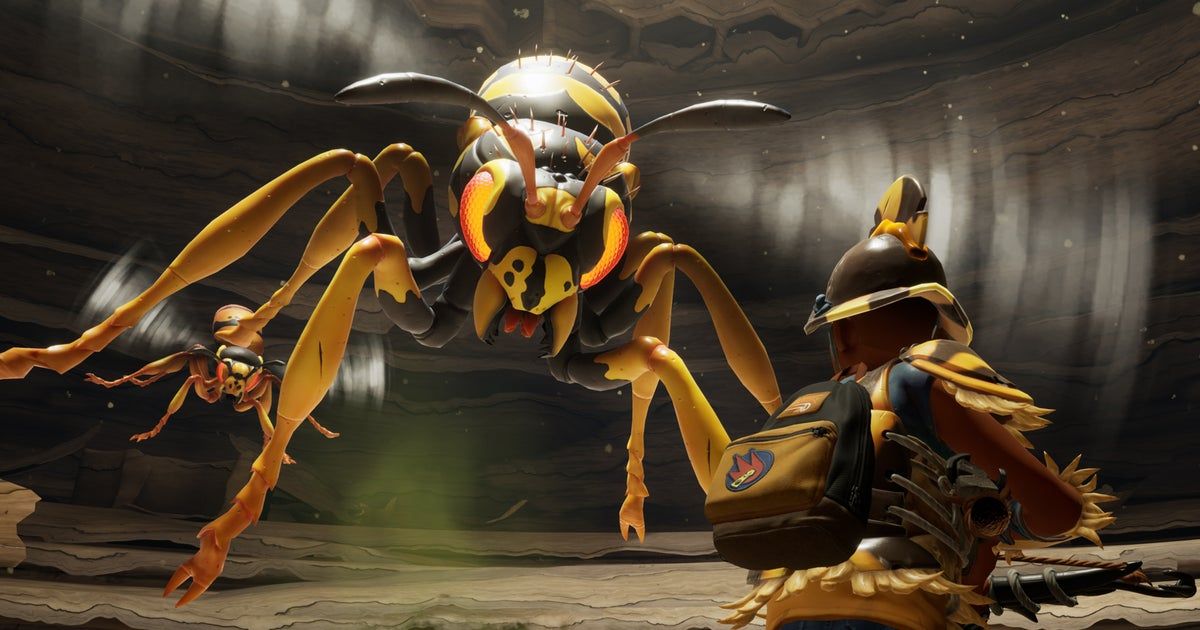
The mechanics are straightforward. Feargus Urquhart and the existing leadership stay in place, now reporting to Braff. Current projects continue, including Obsidian‘s survival game Grounded, and early work is already underway on a new Fallout project alongside Bethesda Game Studios, which keeps formal control of the franchise. More details are promised in the months ahead.
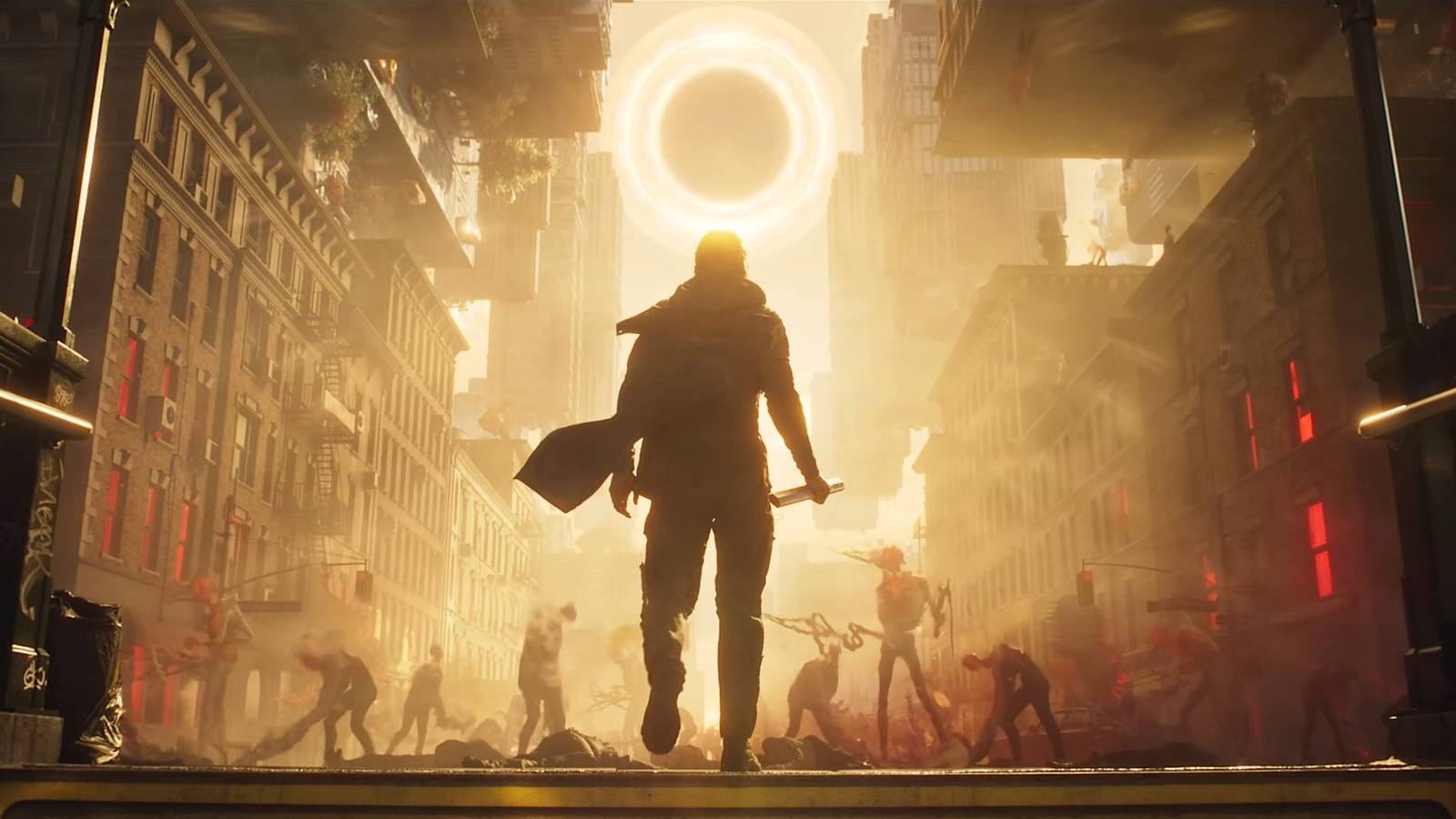
You can’t discuss this without the obvious history. Obsidian made Fallout: New Vegas in 2010, still the fan favorite high-water mark of the series, built under a punishing 18-month deadline while Bethesda held the license. Sixteen years later, the studio that out-Fallouted Fallout formally sits beneath the franchise holder. Homecoming or demotion depends on how much stock you put in corporate reassurance.
The id Software template cuts both ways
The most useful precedent isn’t in the announcement, it’s one desk over in the org chart. id Software has sat under Bethesda for years, collaborating closely while technically keeping its identity, and the result is a studio that now essentially makes one thing: DOOM. That’s the model here, and Braff’s own wording hints at it. The memo stresses making “accountability for both the studio and the franchise clear,” which is guardrail language. Obsidian’s independence is real right up until it conflicts with franchise priorities.

That comparison should worry anyone hoping for an Obsidian renaissance. id kept its name and its team and still narrowed into a single-franchise machine. If that’s the template, “distinct” means distinct branding, not distinct creative direction. July brought cuts of roughly a quarter of Obsidian’s staff, with an Avowed sequel reportedly shelved. The distinct team Braff describes is smaller than the one that shipped The Outer Worlds 2. Continuity promises are easier to make about a reduced roster.
The silence, the thread, and the resource math
Here’s what keeps nagging at me. Two days after the announcement, there hasn’t been a single public word from Obsidian itself. Every quote in circulation traces back to Braff’s memo or Booty’s post. Urquhart has spent decades positioning his studio as the team that makes the RPGs Bethesda doesn’t, and now that it’s formally folded under Bethesda, he said nothing. For a company whose brand is an independent voice, the quiet is loud.
I spent a long evening in the r/xbox thread on this, and the question that kept surfacing wasn’t Fallout. It was inXile. If Obsidian is now the RPG studio inside Bethesda, what happens to the other teams promised similar autonomy? The support-studio fear showed up constantly too, people asking whether Obsidian ends up as Fallout assist labor. Braff addressed that in the memo. Memo reassurances are cheap, though. This industry has a long memory for promises that didn’t hold, from CD Projekt Red’s pre-launch pledges to the stretch before Cyberpunk 2077’s return.
Then there’s the resource math nobody’s discussing. Obsidian’s original projects now compete for attention under a president whose priority list includes Elder Scrolls 6, Fallout 5 pre-production, and a stack of remasters. When an unannounced Obsidian RPG goes up against Fallout 5 for staffing and budget, we know which way that fight breaks. Reporting structure sounds like paperwork until you realize it decides which games get made.
Grounded keeps running, and a live game can anchor a studio for years the way Final Fantasy XIV’s steady updates have. Original IP is where a studio’s identity actually lives, though, and that’s the line worth watching.
My honest take is that this is probably the best outcome available in Microsoft’s current climate. Xbox cut another 268 roles the same week this landed, Ninja Theory nearly shut, and studios keep getting shuffled. Against that backdrop, a permanent seat inside the company that controls Fallout looks like survival. I’d take survival with strings attached over a dignified closure.
But “distinct” is a word that has to be earned now, not claimed. Watch what Obsidian announces next that isn’t Fallout. If an original project shows up with a real budget and a date, the memo meant something. If the pipeline quietly fills with support work while original ideas sit in a drawer, we’ll know what distinct was always going to mean. I want to be wrong about this. New Vegas alone bought this studio endless benefit of the doubt, and Microsoft hasn’t earned any of it yet.