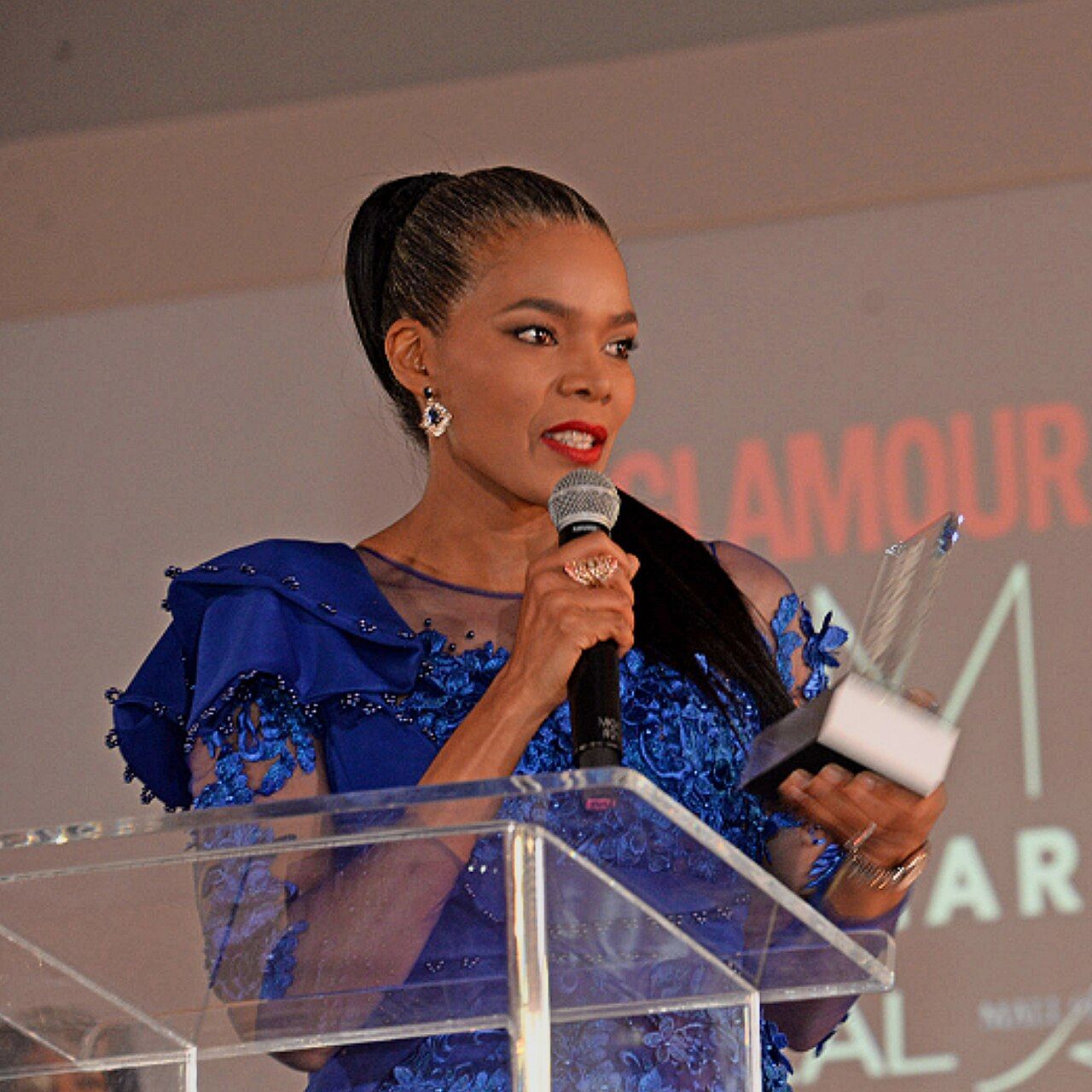
Tyla’s team didn’t announce anything. They just opened the A*POP World Tour page, deleted the December 22 Lagos date, and moved on. By the time outlets like BBC spotted the change, the conversation had already hardened into two camps. Nigerians who pushed the boycott saw a win. South Africans online either defended Tyla as an innocent target or mocked the boycott as delusional. But here at home, we should be asking a harder question: why does our domestic violence against migrants keep spilling into the culture, and why are our biggest stars left to clean up the mess in silence?
The Boycott Landed Because the Ground Was Already Soft
The calls started from Nigerian voices like Solomon Buchi on Instagram and media personality Do2dtun on X. They tied Tyla’s Lagos concert directly to anti-migrant attacks and xenophobic sentiment in South Africa. An online petition circulated fast. The argument was simple. If South African society tolerates assaults on Nigerians living here, then South African cultural products shouldn’t enjoy Nigerian coin or crowds.
I spent some time scrolling through X replies over the past week, and the South African pushback was immediate and raw. Accounts like @Nazodum and @Therealfugaze fired back hard, calling the boycott nonsense and insisting Tyla is a 24-year-old singer, not a government spokesperson. One line I kept seeing: “There’s no Lagos in South Africa.” The anger was less about losing a concert date and more about feeling collectively blamed for failures that belong to politicians and street-level thugs.
The frustration is fair. But it’s also convenient. Tyla isn’t in charge of Home Affairs, yet she’s the most visible South African pop export right now. When international fans want to punish a country without a direct channel to its leadership, the artist becomes the receipt. We saw similar logic when BTS fans and industry voices questioned Grammy category structures. The difference here is that Tyla isn’t being critiqued for her art. She’s being treated as a proxy for national sin.
Nobody can ignore the timing. The Lagos slot vanished roughly a week after the boycott calls gained steam, right around July 31. As of today, neither Tyla nor her camp has issued a statement. That silence is a statement in itself, suggesting a team that did the math and decided engaging publicly was riskier than quietly retreating. And the math is worth examining.

This is where the story gets more interesting than a Twitter spat. Nigeria has the population, and Lagos showed around 440,000 monthly listeners for Tyla against Johannesburg’s roughly 325,000. But population isn’t revenue. South Africa still dominates Sub-Saharan recorded music income, pulling something close to 78% of the regional total by IFPI benchmarks. Per-stream payouts are stronger here too. So while losing Lagos hurts the ego, it may not hurt the balance sheet as much as fans assume. If anything, the removal looks less like humanitarian concession and more like hard-nosed business dressed in diplomacy.
Even after the date disappeared, Nigerian fans on X are still calling for streaming boycotts. Posts tell followers to stop playing “Water” and the new A*Pop cuts entirely. But South African replies point out the obvious. Tyla’s home market is her fortress. A Lagos concert boycott that becomes a streaming boycott is harder to sustain when the artist’s core revenue is rooted in the very country being attacked. It’s one thing to skip a show. It’s another to dent a catalog that lives mostly on South African and global playlists.
The Quiet Edit Sets a Dangerous Precedent
Losing the date isn’t the chilling part. It’s how she lost it. No press release, no explanation, no principled stance. Just a backspace key and a hope that nobody would make too much noise. That low-drama strategy might protect her brand short-term, but it creates a playbook future promoters will copy. If cross-border tension rises, simply delete the market and stay silent. It turns artists into weather vanes, spinning whichever way the political wind blows without saying a word.
Expansion just got harder for the local industry. Amapiano and South African pop have spent years breaking into Nigerian clubs. DJ Maphorisa has had to fight even local DJs to give piano its respect. The last thing the scene needs is a diplomatic chill that makes Nigerian promoters wary of booking South African acts, or South African managers wary of Nigerian crowds. Music needs friction to thrive, but this is the wrong kind.
Fixing what she’s being blamed for is completely outside her reach. She can’t deport anyone. She can’t rewrite immigration policy. She can’t stop a mob in Diepsloot. So the boycott demands something performative from her, an apology that would satisfy fans but change nothing on the ground. Meanwhile, her silence protects her from domestic backlash but leaves her looking complicit abroad. It’s a trap with no clean exit.
For South Africans watching this, the lesson should sting. We’ve become a country where our most bankable young star can’t announce a Lagos show without carrying the weight of every xenophobic headline. That’s not a branding problem for Tyla. It’s a national reputation problem for us. And no amount of X outrage about “delusional” boycotts will fix it.
Tyla will be fine. She’s still got Cape Town and Johannesburg locked in for early 2027, and the European and North American legs will keep her busy. But the next time a South African artist tries to build a pan-African tour, they’ll remember this. They’ll look at the map, see Nigeria, and hesitate. I can’t blame them. Until we stop making our artists pay for our politics, the silence around those deleted tour dates is going to get louder.