On August 13, Netflix confirmed it is closing Night School Studio and Moonloot Games. The timing is almost insulting. Just six weeks earlier, co-CEO Greg Peters stood on an earnings call and singled out Night School’s Unhinged as posting “really solid numbers.” Now the Los Angeles studio that made it is gone, and the Helsinki team that never even shipped a title is gone with it. If you’re looking for a clearer signal that Netflix’s gaming ambition has curdled from creative investment into portfolio pruning, this is it.
The Praise-to-Grave Pipeline
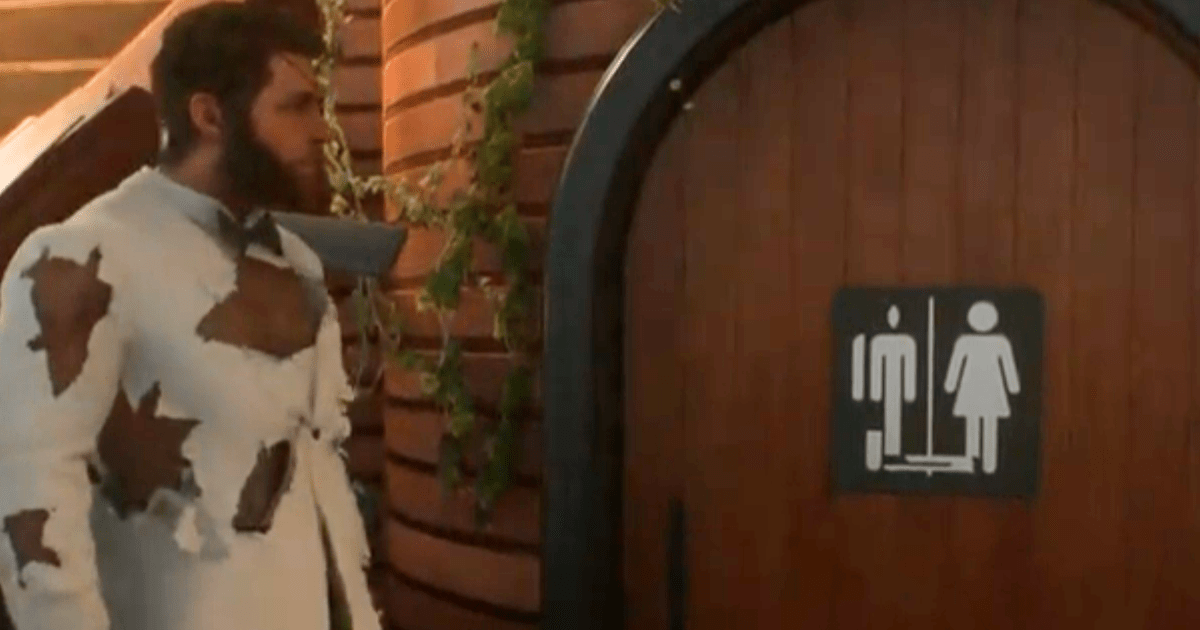
Let’s look at the timeline. Unhinged, a roughly 30-minute first-person horror narrative backed by David Fincher and Zach Cregger, arrived in late June as a TV-streamed experiment controlled by your phone. By mid-July, Netflix’s leadership was trumpeting its performance to investors. By mid-August, the people who built it were getting shut down.
I’ve been watching the threads across Reddit and X since the news broke, and the phrase that keeps appearing is “bought, used, and discarded.” That’s not just anger talking. It’s an accurate read of a company that acquires indie studios for their creative credibility, then dumps them the moment the strategy spreadsheet pivots toward party games and kids content.
Netflix isn’t hiding the pivot. The company is openly chasing what it calls “Netflix Playground,” plus TV-screen party titles like Boggle and Pictionary that use your phone as a controller. It wants mainstream partnerships like FIFA. And it’s leaning on external developers rather than internal teams.
What’s left of its first-party footprint is basically a central games team and Next Games in Finland. This mirrors how Netflix handles film and television, where heavy reliance on outside creators is the norm. But games aren’t television. You can’t just cancel a season, and a new showrunner won’t fix what’s lost. Studios like Night School carry specific tonal DNA. When you close them, you don’t just lose headcount. You lose the voice that made Oxenfree singular.
What the Numbers Actually Reward
Here’s the part that didn’t get enough attention. Netflix’s stock ticked up modestly after the closures were announced. Investors treated the cuts as discipline. That market reaction tells you everything about the incentive structure.
Short-term metrics and portfolio tidiness matter more than nurturing a narrative studio through its second release. It’s the same logic that saw Netflix sell Spry Fox back to its founders in late 2025, shutter Boss Fight Entertainment after a Squid Game project, and dissolve Team Blue in 2024. The pattern is unmistakable. Netflix enters a space, buys respected names, then exits the hard work of first-party development before those names can mature under its roof.
And the regional skew is hard to ignore. California-based studios with higher operating costs seem to be taking the brunt of the axe, while Moonloot’s closure despite never releasing a game raises serious questions about why it was founded internally in 2022 only to be erased four years later. If you’re an indie developer watching this, the warning is obvious. The salary bump and stability Netflix offers come with an expiration date that seems to land right around the time the company figures out what it actually wants.
I’ve spent enough time in platform performance debates and preorder momentum coverage to know that the games industry loves to obsess over hardware power and sales records. But this story is about something quieter and more corrosive. It’s about what happens when a tech giant treats creative studios as disposable assets. Netflix says games remain an “opportunity,” but opportunity for whom? Not for the narrative designers who just lost their jobs. Not for players hoping Oxenfree‘s legacy would continue inside the world’s biggest streamer.
Netflix will keep pushing its games tab. You’ll probably get more FIFA integrations and family board game nights streamed to your living room. But the dream that Netflix could become a patron of strange, small, story-driven experiences? That died in mid-August, six weeks after the company called its own game a success. The walkie-talkie static is fading, and this time, no one’s answering.