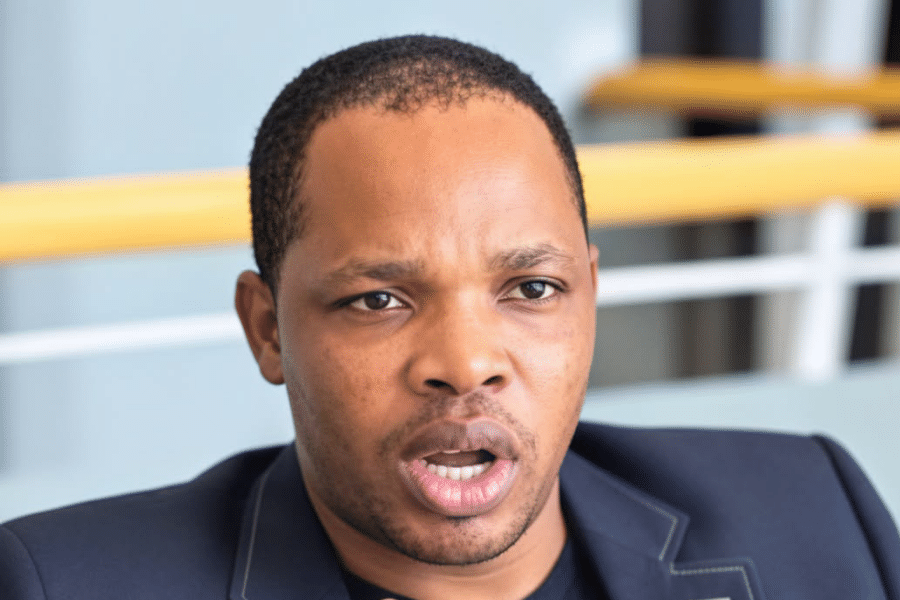
Obren Motswane just became the first cast member in Married at First Sight Mzansi history to walk out mid-season, and the experts let him go without a fight. The official framing is a healing journey. Mine is simpler: a man who’d been checking out since the honeymoons finally found an exit the format couldn’t block, and most of us watching at home saw it coming weeks ago.
Quick rewind for anyone who tuned out early. Obren, a 38-year-old creative entrepreneur, was matched with Laurinda Mabunda, a 32-year-old economist, and they married in episode 2 back in July. On paper it looked promising. Both families said they matched each other’s type, and for a fortnight the timeline was oddly kind to them. Then the arguments started, and a pattern emerged.
A Walkout the Timeline Predicted in July
At the recommitment ceremony screened on Mzansi Magic this past weekend, Obren told the experts his decision was “part and parcel of my healing journey”, that he needed to “come right and pray that one day we find each other again”. Then he left. For the first time in three seasons, the panel allowed a mid-exit on health and healing grounds.

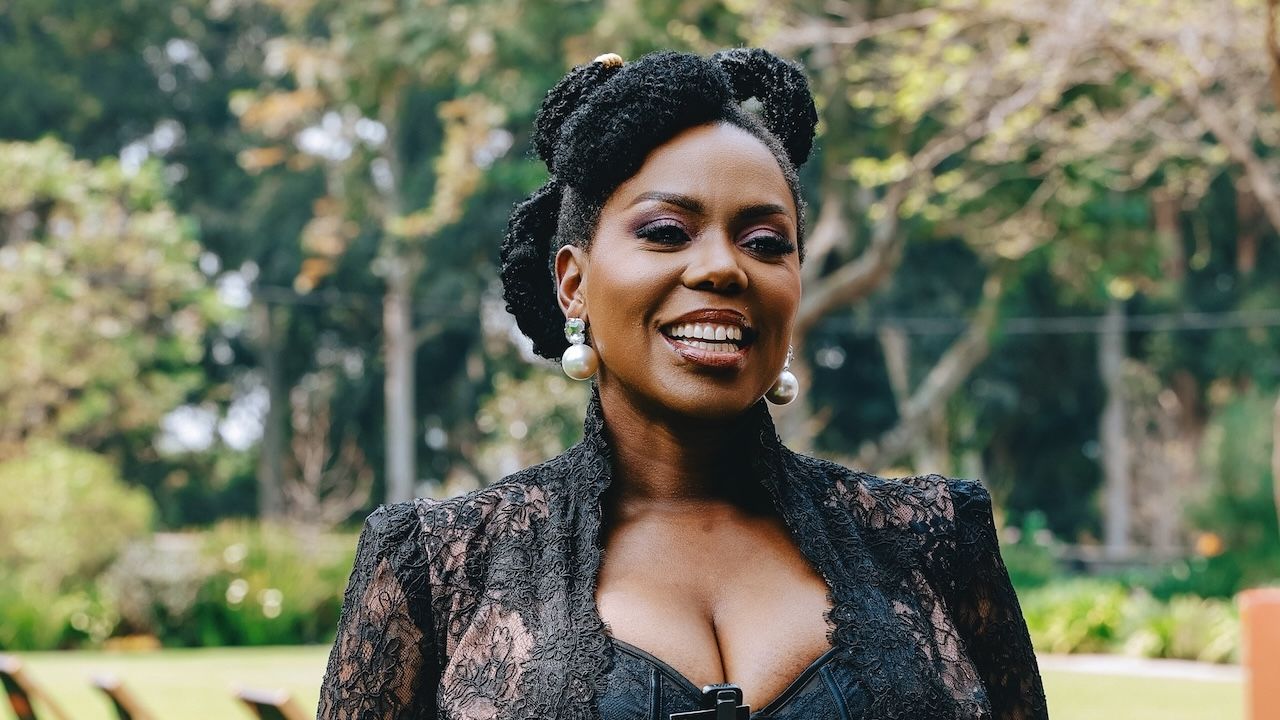
Laurinda stayed in the experiment, and her assessment of the marriage was blunt. He never showed up fully, she said, and walked out at any inconvenience. That tracks with what actually aired. The blanket shoving incident during a snoring argument, the retreats whenever a conversation got uncomfortable. You don’t need to be a relationship expert to spot a man who treats conflict like a fire alarm.
Here’s what most recaps are skipping: the audience called this in July. I went back through my own bookmarks from casting week, and scepticism about Obren was circulating before a single wedding aired. One post that has lived in my head since August grouped him with Prince and Mpumi as a waste of the show’s time. When a casting gets read that accurately that early, the exit isn’t a twist. It’s a schedule.
The Most Telling Part Wasn’t Obren Leaving
Within hours of the episode, the conversation moved somewhere I didn’t expect. Instead of dissecting the fight or the farewell, timelines filled with Laurinda’s LinkedIn. Economist, researcher, a career that plainly doesn’t need a husband to be interesting. Viewers dug it up on their own and started celebrating her credentials like a trophy. I’ve covered this franchise since season one and I’ve never seen the crowd abandon a scandal this fast for one woman’s CV.
That shift matters more than the walkout itself. It suggests local audiences are done with the framing where a woman’s storyline dies the moment her match quits. Laurinda continuing solo is unprecedented on this show, and the appetite for her individual run reads as genuine interest rather than pity.
The precedent is the other thing worth sitting with. This is the first sanctioned mid-season departure on healing grounds, which raises an obvious question: how does a production verify that? Every future cast member now knows the vocabulary that unlocks the door. Add the unverified rumours about Obren’s business that drifted through the discourse and never got aired, and you have fair questions about how deep the vetting actually goes.
Credit where it’s due, though. Obren’s own TikTok afterwards, calling himself a work in progress and naming the counselling he’s doing on his emotional reactions, is more accountability than most reality exits ever produce. It doesn’t undo the pattern on screen, but it complicates the easy villain edit.
So where does that leave season 3? With Laurinda, honestly, and that’s the better half of the deal. Mzansi Magic has shown it will let its formats evolve, from Generations: The Legacy rebuilding around sacrifice and obsession to Tropika Island shooting its twelfth season in Réunion, so there’s room to follow her properly instead of rushing a replacement match. My take is that the show’s biggest test isn’t whether Obren finds his peace. It’s whether Laurinda gets a storyline that doesn’t need a man in it to matter.