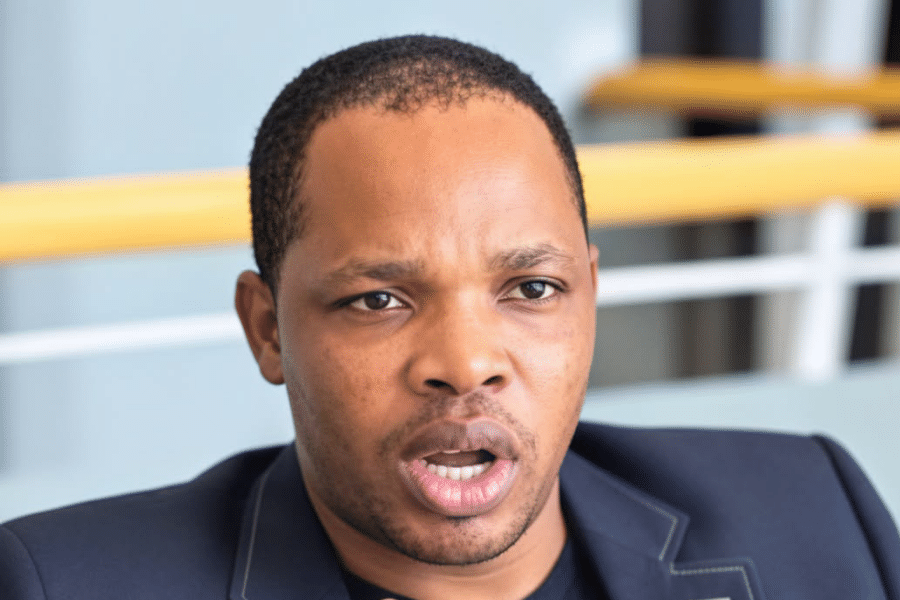
On August 4, Perez Hilton turned on TikTok Live from his Miami home and fell apart in front of whoever was watching. By the time Miami-Dade Fire Rescue transported the 48-year-old to a local hospital, viewers had already seen enough to flood emergency lines with calls about self-harm and a knife. The sheriff’s office treated it as a mental health crisis, not a celebrity spectacle. Florida’s Baker Act was invoked. He remains hospitalized, his condition serious but stable, with surgery ahead and a long recovery in front of him.
The press release version of this story ends there. It shouldn’t. We unpacked the immediate timeline in our crisis analysis. What happened to Hilton isn’t just another entry in the ledger of early-2000s internet fame turning dark. It’s a case study in how platforms built to amplify distress still have no idea how to stop it.
The Health Context Nobody’s Connecting
Five months ago, Hilton spent 21 days in a hospital fighting sepsis from a stomach ulcer. He described a religious experience during that stay. Mainstream coverage filed the March hospitalization under “physical health” and this week’s under “mental health,” as if the two operate on separate tracks. They don’t.
Post-sepsis delirium and post-ICU psychological fallout are well-documented phenomena. The family updates note he suffered significant blood loss and faces surgical procedures now. You don’t have to be a physician to wonder whether a body and mind that barely recovered from one systemic collapse were pushed toward another. The threads I tracked after the incident kept returning to this link, and the mainstream coverage kept ignoring it.

And then there’s the quieter context. In the weeks before the livestream, discussions pointed to financial strain and a difficult relocation back to Miami from Las Vegas. These aren’t excuses. They’re stressors. Moving cities, rebuilding income, and raising three young children while your health crumbles is a pressure cooker. The public saw a man with a knife. The fuller picture looks like someone whose support structures were already buckling.
The Platform Problem Is the Real Story
TikTok Live didn’t cut the feed. Viewers did the work that moderation systems should have done, dialing 911 while the stream continued. This isn’t theoretical. Another recent mental health crisis on the platform, the death of Mina Chan, had already raised the same question: why does graphic real-time content reach thousands before human or automated intervention kicks in? The algorithm is built for velocity. Crisis response moves at human speed. That gap is where people get hurt.
The community response has been predictably fractured. Some expressed genuine concern for Hilton’s children, his mother, his sister. Others treated the incident as karma for a gossip blogging era that tormented celebrities. That polarization is its own kind of violence.
A public figure’s past persona doesn’t create an exemption from basic empathy, nor does it entitle the internet to a live broadcast of his breakdown. The family has limited communication to immediate relatives and medical providers specifically to shield those kids from the spectacle. We examined the trade-off between public healing and private trauma in our platform review. That request for privacy deserves more respect than the platform gave him.
Florida’s Baker Act means Hilton can’t just check out and hold a press conference. It also means the family updates, posted to his official site, are measured and sparse. He is able to communicate. He is not okay. The distinction matters. Recovery from this kind of crisis isn’t a weekend away. It’s surgical wards, psychiatric holds, and the slow work of rebuilding trust with your own mind.
We can debate Hilton’s legacy all day. The gossip, the feuds, the era he defined. But no one should have to bleed for an audience while a platform counts the views and waits for someone else to call for help. If TikTok and its peers don’t build real-time crisis protocols that move faster than their own recommendation engines, this won’t be the last time we watch someone unravel live. It’ll just be the next time we pretend to be surprised.