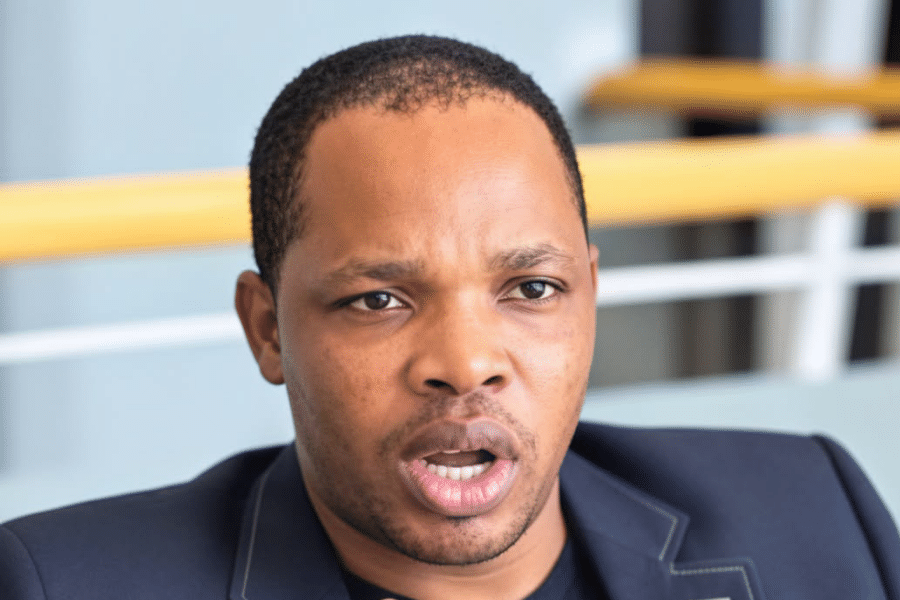
Late on Tuesday night, Perez Hilton pointed a camera at himself and let the internet watch him unravel. By the time Miami-Dade deputies broke down the door and TikTok killed the feed, the damage was already looping across timelines. Hilton is now in serious but stable condition under Florida’s Baker Act, facing surgery after significant blood loss. His family asked for privacy. The internet responded by digging up every cruel headline he wrote in 2007.
This isn’t a straightforward mental health story. It’s a grotesque mirror held up to the attention economy he helped architect, and the reflection indicts everyone.
The Internet Keeps Receipts
Spend five minutes in the forums and you’ll notice the temperature isn’t warm. Users aren’t posting thoughts and prayers. They’re posting screenshots. The body-shaming. The outing of closeted celebrities. The relentless coverage of Britney Spears at her lowest. One sentiment keeps surfacing: he spent two decades monetizing other people’s pain, so why should the crowd mourn his? It’s not random cruelty. It’s a ledger, and the public is finally calling in the debt.
But here’s what mainstream coverage glosses over. The speculation about triggers runs deeper than standard tabloid stress. I noticed serious discussion about his March hospitalization for severe sepsis and ulcer complications, with some users pointing to post-sepsis syndrome or even psychosis as a possible factor. Others flagged financial pressure and the disorientation of a recent move to Miami. These aren’t excuses. They’re context that gets buried beneath the shock value of the livestream itself.
And then there’s the family angle. His children were inside the home just minutes before the broadcast started. They fled with relatives before the feed went live, which means they didn’t witness the act itself but certainly felt the earthquake that preceded it. The family statement noted serious injuries requiring surgery and asked for space. The irony of begging for privacy after voluntarily livestreaming a breakdown isn’t lost on anyone. Yet that contradiction is exactly what makes this so specifically modern: the impulse to broadcast everything, then control the narrative once the broadcast goes wrong.

The Platform Never Intervenes Fast Enough
TikTok removed the stream within minutes, or so the company claims. In those minutes, clips metastasized. Screenshots spread to X, to Reddit, to group chats. The platform’s moderation system is designed to react, not prevent, and the gap between those two functions is where human suffering becomes content. We’ve examined how that failure unfolded in our coverage of the livestream fallout. I’ve also seen users argue that the algorithm actually amplifies these crises, dropping mental health breakdowns into feeds already saturated with violence and outrage. They’re not wrong.
The Baker Act complicates things further. Florida’s involuntary psychiatric hold can last up to 72 hours, and while it likely saved Hilton’s life, it also strips him of agency at the exact moment his family is trying to reclaim narrative control. Some see it as necessary intervention. Others worry about the long-term implications for a public figure who now has a state-mandated mental health record. Either way, the legal machinery moves slower than the internet, and the hospital walls don’t block speculation.
What strikes me most is the authenticity debate. A subset of users insists this must be a stunt, because Hilton’s brand has always been theatrical. But deputies confirmed the livestreamed acts of self-harm. The blood loss was significant enough to require surgery. You can fake a lot of things for attention. You can’t fake a Baker Act hold and a surgical ward.
There’s a broader pattern here that’s hard to ignore. I’ve watched communities draw parallels between this incident and other recent livestreamed crises involving former tabloid figures and content creators. The common thread isn’t just mental illness. It’s the collapse of the boundary between private breakdown and public performance. When your entire career is built on access and exposure, the moment of greatest vulnerability becomes indistinguishable from content strategy. That’s not a defense of Hilton. It’s an indictment of the system that trained him to think the camera was his only friend.
We built Perez Hilton. We clicked the mean posts. We rewarded the cruelty until the cruelty turned inward. Now we face the uncomfortable question of whether a man’s breakdown is fair game because he was cruel first. The answer should be no, not because he deserves sympathy, but because if we treat mental health crises as karmic entertainment, we lose the last bit of humanity that separates us from the algorithm. The camera keeps rolling long after the ambulance leaves. The question is why we’re still watching.