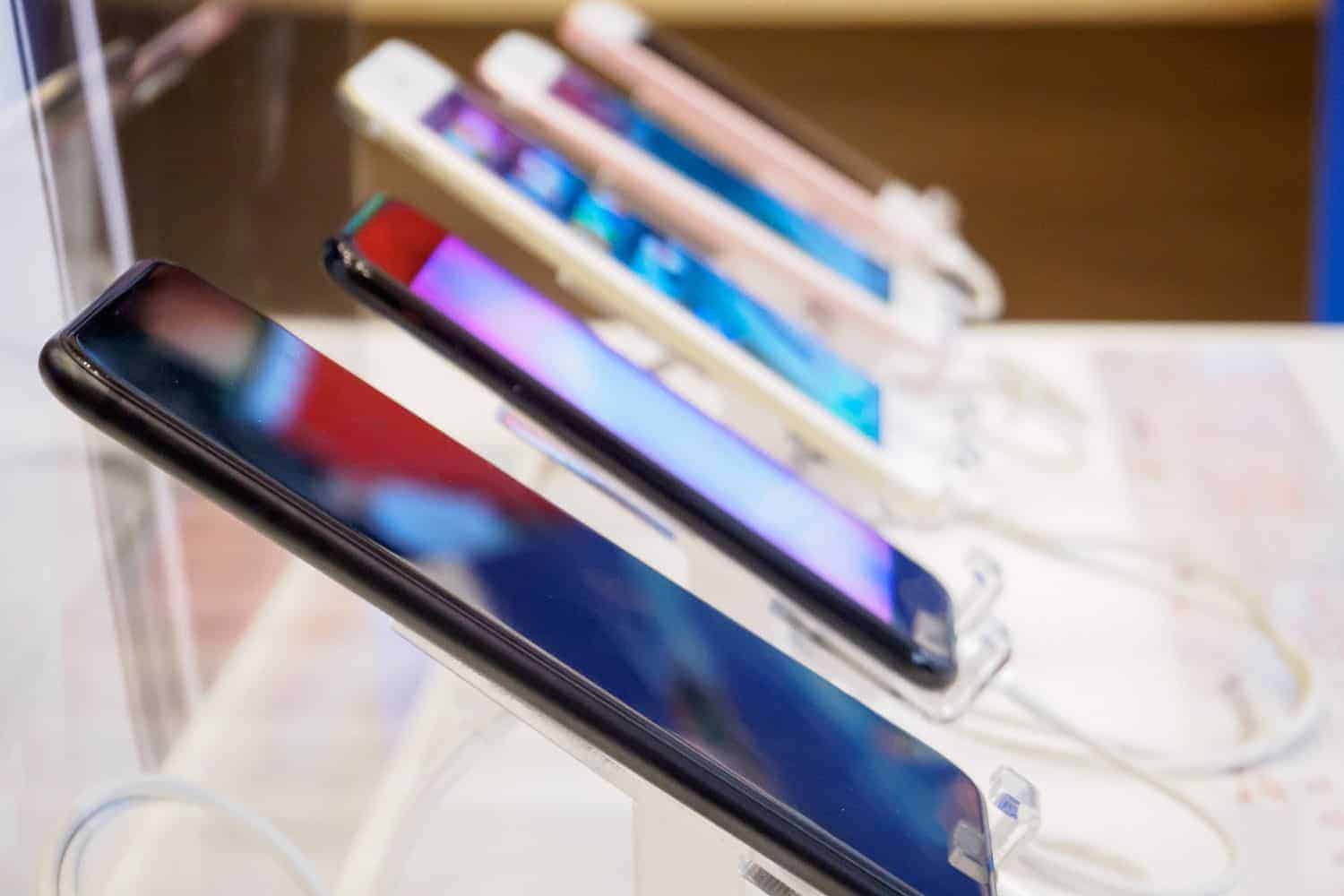
Tax cuts that promise a boom usually deliver a rounding error. This one didn’t. When National Treasury scrapped the 9% ad valorem luxury duty on smartphones under R2,500 on 1 April 2025, plenty of us expected a modest bump and a quiet fade. Instead, about 1.1 million extra entry-level devices have sold, roughly 100,000 more handsets every month than the old regime allowed for.
The GSMA report on the first year is blunt about the swing. Monthly unit growth went from a 7.9% decline before the repeal to 6.2% growth after it. Entry-level volumes climbed around 80% in eleven months while feature phone sales collapsed by 87%. Market value moved from roughly R2.7 billion a month to R3.1 billion. Those aren’t the numbers of a tax tweak. They’re the numbers of a market being rebuilt.
Here’s my problem with how this story gets told, though. The sales chart is the least interesting part. What matters is who suddenly holds a capable device, and how fragile the whole gain looks now that memory prices are climbing.
The feature phone didn’t lose to a tax cut, it lost to WhatsApp
One detail towers over the rest of the data. Feature phone sales fell 87% in the same window. That’s not substitution, that’s abandonment. The timing is no accident either. KaiOS handsets, the last cheap phones that could run WhatsApp, lost official support for the app, which made the old-style handset unviable for daily life in South Africa almost overnight.

Anyone who has watched a stokvel group or a taxi rank operate knows WhatsApp isn’t a luxury here. It’s the payment reminder, the job lead, the family lifeline. Once the cheapest phones that could run it fell below R2,500, the upgrade stopped being a choice. I’ve spent time in the r/AskZA pricing threads since the repeal and the mood isn’t celebration over cheap hardware. It’s relief that a device which handles modern life finally fits a tight budget.
That reframes the boom. Communications Minister Solly Malatsi sells the reform as access to opportunity, and for once the political line matches the receipts. A sub-R2,500 smartphone is the doorway to online banking, government services and job platforms a feature phone simply can’t touch.
The R2,500 cliff is bending the whole market
Now the friction. The exemption isn’t a slope, it’s a cliff. Sell at R2,499 and the phone is duty free. Price it at R2,501 and the 9% duty snaps back on. Manufacturers noticed fast. Honor keeps adding models to its sub-R2,500 lineup and holds prices through network partnerships specifically to stay under the line, trimming RAM and storage where needed. Entry-level design now bends around one Treasury number.
That engineering-to-the-threshold behaviour is the most underreported part of this story. The boom isn’t only a demand-side sugar rush. Supply chains have rebuilt themselves around the cap, which could keep volumes healthy long after the initial pent-up demand drains away.
Then there’s the wall coming from the other direction. DRAM and NAND costs have climbed through 2026 and the sub-$100 band feels it first. We looked at how memory prices are squeezing the repeal’s gains, and nothing since has made me more comfortable. Either specs slide or prices creep toward and past R2,500. Both outcomes erode what the repeal bought.
The cliff also does nothing for grey imports. Customs debates on r/askSouthAfrica keep circling the same trap, where personal imports still attract 15% VAT on an assessed value and travellers still get caught out by allowances. The repeal fixed the domestic shelf price. It never touched the rules that sting anyone ordering from Dubai.
Meanwhile the top of the market has gone vertical. September’s folding iPhone landed at prices that would finance a small car. The divide didn’t close, it relocated. A buyer at R2,499 and one at R40,000-plus now live in different device economies, and nothing on the policy table bridges that.
So where does this leave us? The repeal is the clearest local proof that device affordability is a policy choice, not a law of nature. GSMA is already shopping the South African model to other African markets, though memory inflation may decide how far the template travels. The 17% jump in smartphone sales we tracked earlier this month came almost entirely from the bottom of the market.
If I had one message for Treasury it would be this. Index the R2,500 threshold to inflation before it quietly becomes the new R3,000, and don’t declare victory yet. A million phones changed hands, which is genuinely remarkable. The harder test is whether the people holding them can afford the data, the repairs and the next upgrade without the whole gain slowly reversing. The boom was the easy part.