Huawei launched the Mate XT 2 in China on September 7 with an inward-folding hinge, a new Kirin 9050 Pro, and a starting price of CNY 19,999, roughly $2,980. Pre-orders opened the same day and the phone reaches buyers on September 12. We’ve spent the launch window going through the first retail-floor impressions, and our verdict is split. This is the first tri-fold built for actual daily carry, and it’s also a masterclass in charging extra for the features that matter.
The basics first, briefly. The 6.5-inch outer display opens into a 10.2-inch 3K LTPO panel, it packs a 5,600 mAh battery with 66W charging, and it runs HarmonyOS 7. None of that is why people are arguing about this phone across X and in Chinese retail comments. The hinge is.
The hinge was always the whole problem
The original Mate XT folded outward, which meant the fragile flexible panel sat face-up against tables, keys and coat pockets every time you closed it. Repair bills for the first generation were notorious, and that alone kept the tri-fold in showpiece territory. Owners babied it. The Mate XT 2 pre-orders tell a different story because Huawei flipped the design. The new G-shaped hinge wraps the display inside a 12.3mm slab when closed, backed by layered glass protection and a reinforced second-gen mechanism.

That single change converts the tri-fold from a concept you protect into a product you use. It’s the difference between owning a $3,000 demo unit and owning a phone. Huawei clearly knows it too, because the durability messaging dominates the launch materials on Huawei’s own pages far more than the chip specs do.
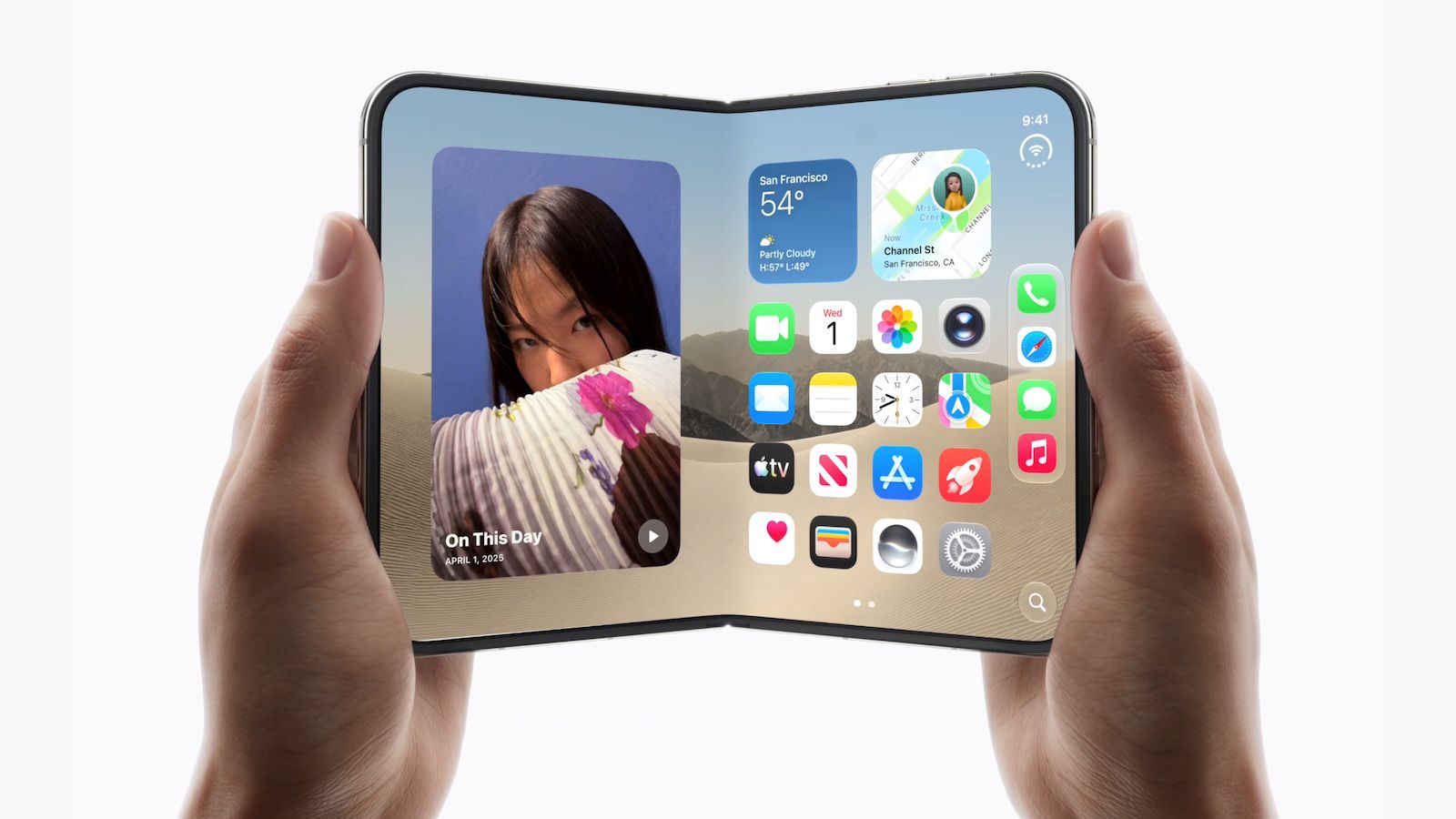
There’s a trade, though. The outward fold let people run the old XT half-open, laptop style, or fold one wing back for a thick-but-usable phone. The inward design kills most of those poses. Retail reactions I dug through split along exactly those lines: hardware reviewers relieved, form-factor fans quietly mourning. This side-by-side says it better than any press shot:
The Kirin 9050 Pro is the quiet headline, the pricing is the tell
The new chip deserves more attention than it’s getting. It pairs a 9-core CPU with Huawei’s LogicFolding architecture, posts a claimed 42% overall gain over the Kirin 9030 Pro with GPU performance up 142% under ray tracing, and runs a 30-billion-parameter mixture-of-experts model entirely on device. That’s silicon designed and produced under export controls, iterating yearly with no access to leading-edge foundries. Whatever else you think of Huawei, it’s a genuine engineering result.
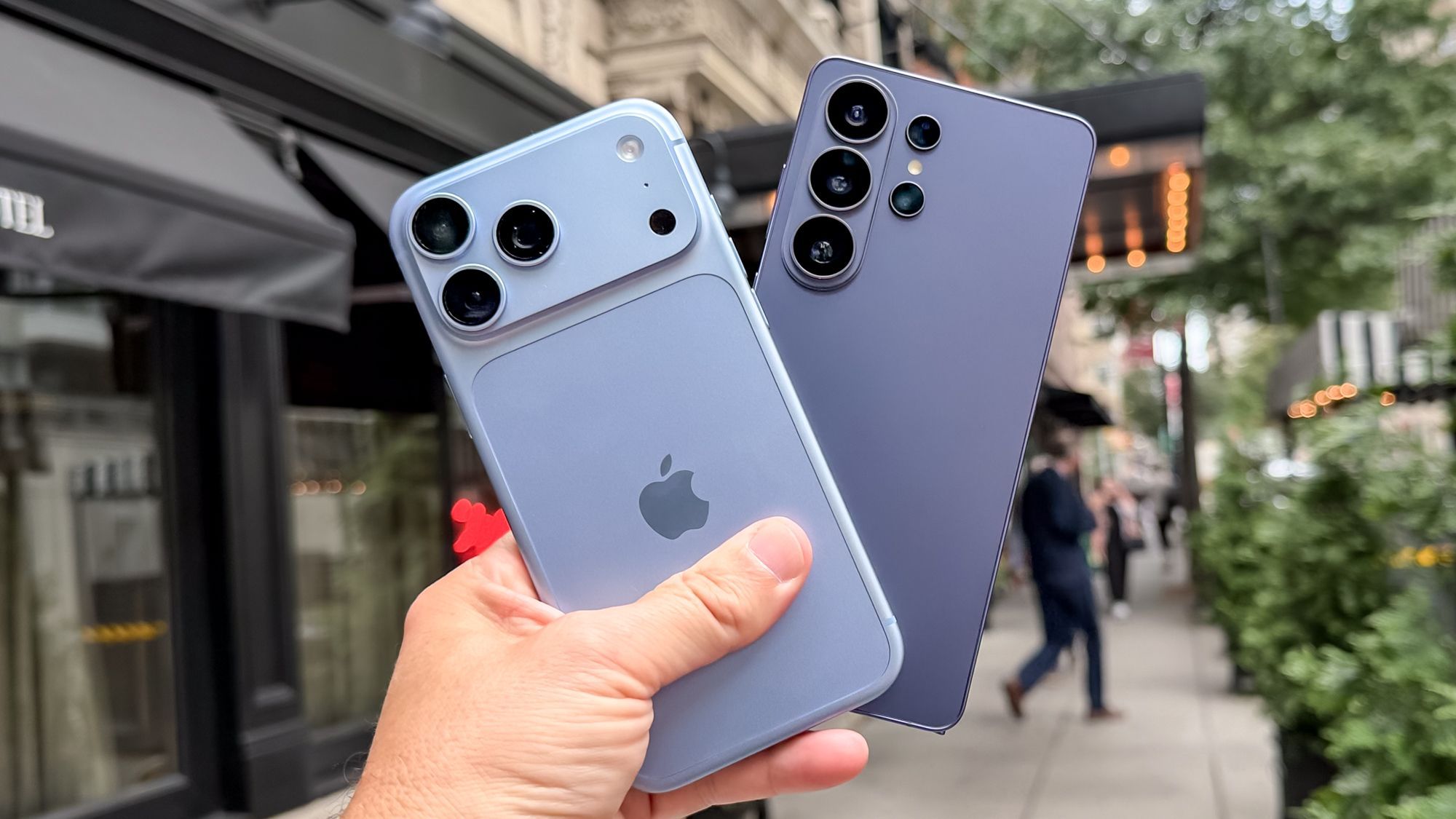
Timing matters too. The launch lands days before Apple’s expected foldable announcement, and Samsung spent the past year prototyping inward tri-folds it never shipped. Huawei is selling one, with a hardware-level Lingdun privacy screen on top that early side-by-sides put ahead of Samsung’s software approach on the Galaxy S26 Ultra. On form factor alone, Huawei is outpacing everyone right now. This is the same company that sold off Honor to survive, and it’s back out front on the riskiest hardware category in phones.
Now the tell. The base 16/256GB model at CNY 19,999 gets an inner screen capped at 90Hz, while the 120Hz panel is bundled with the privacy screen at CNY 24,999, about $3,725. That’s an ugly split on a device at this price, and it reads as deliberate upsell architecture. Early units also run warm near the hinge during 4K recording with apps open, and the camera preview still overexposes against what the sensor actually captures, an ISP quirk that has now survived several Huawei generations. Add 299 grams in the pocket and this is a phone you feel all day.
Availability is the other wall. It’s China only, on HarmonyOS with no Google services, so importers face sideloading and app roulette. The pricing also lands differently outside China. At $2,980 you’re past R50,000 in South Africa’s premium phone market, a number with no connection to how most people actually buy phones, in a market where volumes are already sliding.
First sales open September 12 and a fast sell-out is the safe bet, because the original XT vanished from shelves in hours. The more interesting date is whatever Apple announces next. If Apple’s foldable borrows the inward-wrap logic, Huawei will have set the template for the whole category without selling a single unit to most of the world.
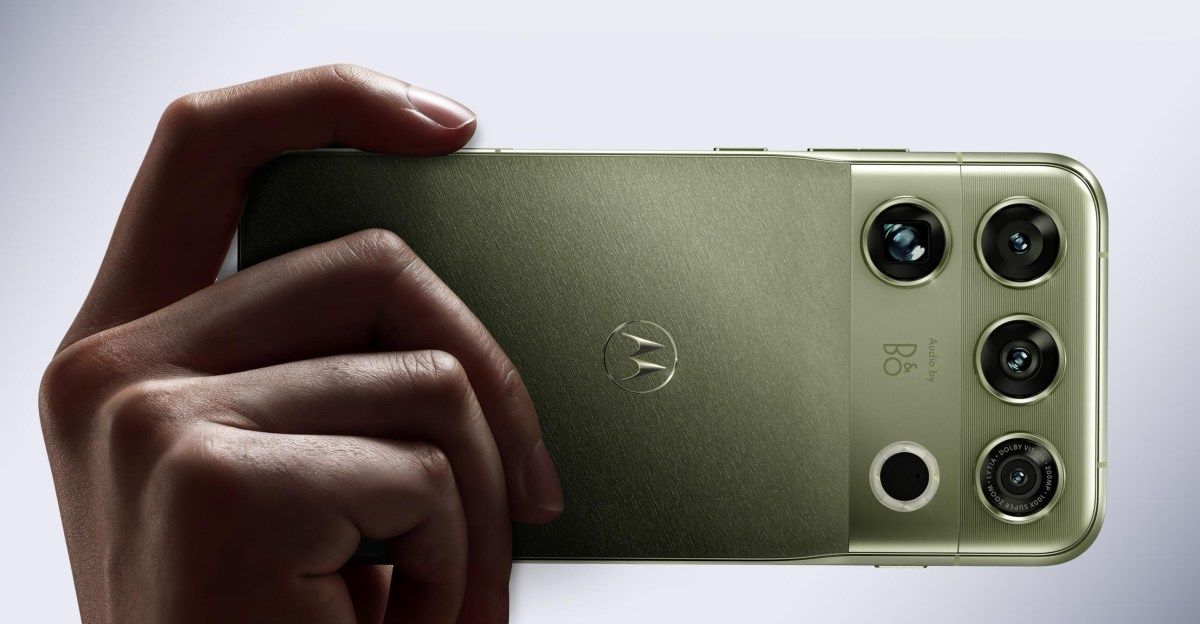
The Mate XT 2 is the first tri-fold I’d genuinely trust in a bag, and the first one where the compromises feel like engineering instead of apology. I’d carry one tomorrow if I could buy one. Until that changes, it stays the most fascinating phone of 2026 that most of us will only ever see through someone else’s hands-on video.