Sunday, 30 August, 19:30 on SABC1. Soul City: Let’s Rise is set to land after thirteen years of silence. If you’re pushing thirty, you probably remember rushing home to catch the original. You remember the HIV storylines that made the virus feel real instead of abstract, and the way the show turned clinic visits and condom conversations into normal dinner-table talk.
But here’s the thing. The original series ended around 2013 to 2015. A fifteen-year-old watching this new season wasn’t even born when the last meaningful episode aired. So we need to be honest about what we’re actually getting, and what we’ve lost in the gap.
The Soul City Institute isn’t just dropping a TV show. They’re calling this a movement. The full programme is Shayi’ndlela, or Turn the Tide, and it wraps the 13-part drama inside school launches across Ekurhuleni, Rise Clubs for young women, parenting workshops, and boys’ engagement sessions that started back in September 2025 with the Gauteng Department of Education.
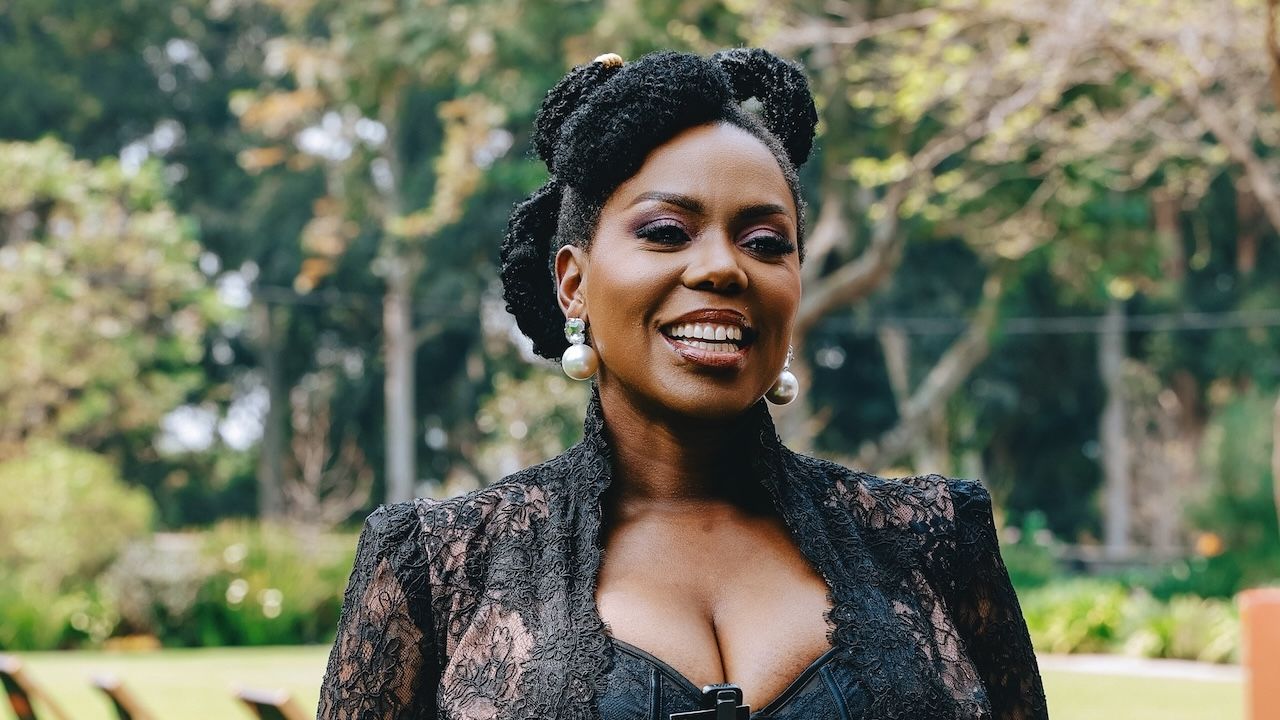
That infrastructure matters. Lungelo Dhladhla, who executive produces and acts in the new series, brings real pedigree from uGugu No Andile. The cast includes fresh faces like Pule Buys, Lufuno Mdau, and Asibonge Ntuli. And the youth didn’t just audition at the Market Theatre in 2025. They helped shape storylines and even influenced the naming. That is genuinely participatory, not some top-down lecture with a soundtrack.
The Nostalgia Trap and the Funding Clock

Online, the mood is split between warm nostalgia and quiet panic. People are sharing the trailer with captions about Sunday family viewing, telling friends to tell friends. Some are begging for Soul Buddyz and Intersexions to return too.
https://twitter.com/SoulCity_SA/status/2092492238064402689
Not everyone is convinced. I keep seeing the same refrain: hope you don’t lose the plot. Fans want the old township texture, not a rebranded youth product that feels like it was designed in a donor workshop. The worry is that in trying to modernize, the institute might sand off the edges that made the original feel like it belonged to us.
That skepticism isn’t unfair. This revival runs on UK FCDO money through the What Works to Prevent Violence programme. It’s evidence-based, which is good. But it’s also time-limited. Thirteen episodes and then what?
The original Soul City ran for multiple seasons because it became part of the cultural furniture. You can’t build new social norms in three months of Sunday programming. And while the classics are now streaming on SABC Plus, that assumes households have the data and the devices. In rural areas and low-income homes, the TV broadcast is still the only equalizer. If the movement lives mostly on apps and donor cycles, it risks preaching to the converted.
The gender focus is also sharper this time. GBV prevention, harmful norms, and young women’s empowerment are front and center. That’s necessary. South Africa’s femicide rate still demands it.
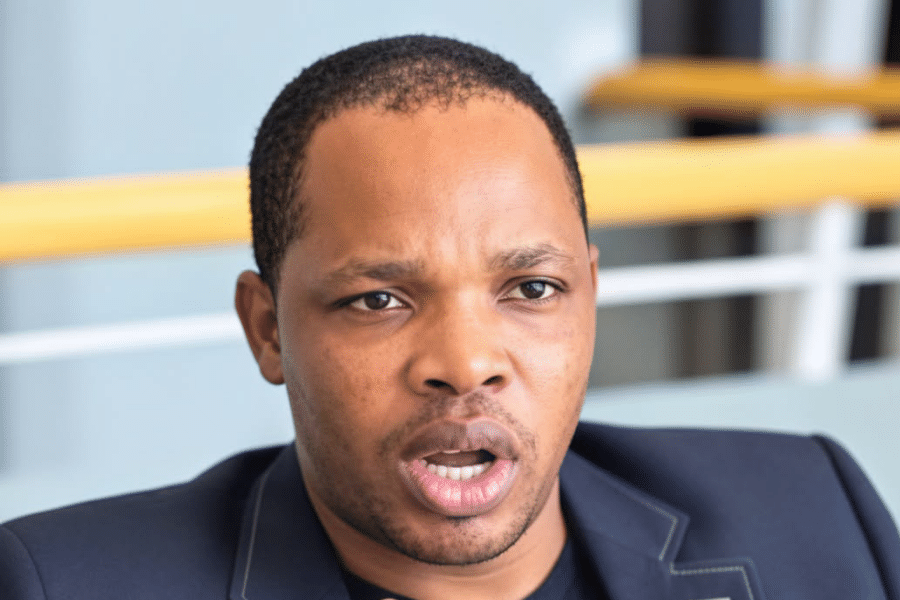
Yet the framing is explicitly feminist in a way that could polarize viewers who remember the original’s broader health and social lens. The institute’s CEO, Phinah Kodisang, says this is more than TV. She’s right. But heavy messaging, even righteous messaging, can alienate the exact boys and men the programme needs to reach.
What Happens When the Credits Roll
Comebacks are having a moment in South African culture. Freshlyground returned with Take Me Home, and Cape Town Comic Con drew crowds again this April. But a band reunion and a social-norm intervention are different beasts.
Soul City’s 30th anniversary is worth celebrating, and the SABC Plus archive means new generations can discover the old seasons. That’s valuable. Still, a 13-episode run funded by foreign aid is a pilot project dressed in legacy branding. The real work is happening in those Ekurhuleni schools and Rise Clubs. The question is whether that work survives when the UK grant ends and the cameras stop rolling.
I’ll be watching on Sunday. Most of us will. I’m not measuring success by Twitter hype or SABC1 ratings. I’m watching to see if this sparks conversations that outlast the season finale. Because a movement doesn’t end when the funding cycle does. And thirteen years away taught us that once the lights go out, the darkness returns fast.
Check the full programme details at Soul City Institute and follow @SoulCity_SA for updates.