Apple called the iPhone Duo’s inner display “wonderfully flat and smooth” at Wednesday’s Surprise and Shine event. After three days of picking apart every hands-on frame I could find, I think the crease debate is the wrong argument. The nano-texture matte screen hides it better than any glossy foldable I’ve compared it against. What deserves your scrutiny is the receipt. The configuration most people should actually buy lands near $2,999, and nobody can tell you what that hinge looks like in month fourteen.
The basics, fast. The Duo pairs a 5.4-inch cover display with a 7.6-inch inner Super Retina XDR panel and a redesigned hinge. Pre-orders open October 16 and the phone hits shelves October 23, per Apple’s announcement. US pricing starts at $1,999 for 256GB.
The crease was never the hard part
Angled-lighting screenshots making the rounds don’t show the whole picture. The nano-texture finish does two jobs at once: it kills glare on a screen this size, and it scatters the light that would otherwise draw a bright seam down the middle. Head-on, in specific lighting, you can find the crease. In normal use, it’s the least remarkable thing about the phone.
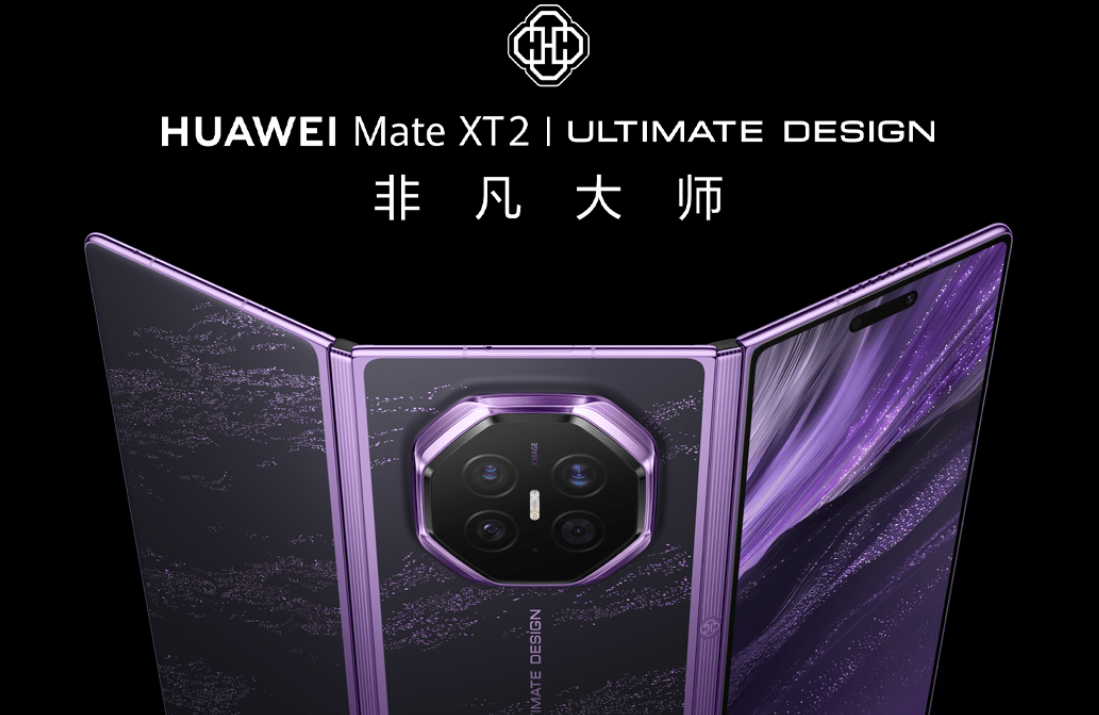
Reaction among people who actually own foldables splits in a telling way. Some call the criticism a complete non-issue. Others freeze-frame raking-light footage and worry it’ll worsen over time. Both camps are right, because visibility is lighting dependent, and the matte finish moves the goalposts rather than erasing the line.
Here’s what I keep coming back to. Apple’s own FAQ never says crease-free. “Wonderfully flat and smooth” is lawyer language, and there’s no fold-cycle durability rating anywhere in the press materials. Every unit on the planet right now is a pristine pre-production hand-me-down. Repeated folding stresses the panel, and the crease progresses with use. That’s materials physics, not cynicism. Apple also has form for confident hardware claims outrunning the fine print, as its waterproofing fine reminded everyone.
Doing the $2,999 math
The ladder runs $1,999 for 256GB, $2,199 for 512GB, $2,599 for 1TB, and $3,199 for 2TB. In Canada the base alone is C$2,999, and Indian pricing pushes past ₹2.99 lakh. Apple’s pricing page presents 256GB as an entry point. It isn’t. It’s a trap.
A 7.6-inch screen built for reading, video, and split-screen work burns storage fast. The consensus forming among early spec-watchers is that 1TB is the realistic floor. Add the $129 Folio with Kickstand and AppleCare, and you’re brushing $2,999 out the door. That’s the honest price of this phone, and it’s the number the headline should have carried.
The alternative math is uncomfortable. A top-tier iPhone plus an iPad mini costs less and covers most workflows. If you’re not living inside the folded-unfolded rhythm daily, it’s genuinely hard to argue for the Duo on value alone.
Then there’s the app problem nobody’s pricing in. Non-optimized apps letterbox, scale, or sit inside black bars depending on how old their SDK is. We’ve seen this movie with every iPhone aspect-ratio shift, except developer pressure is weaker this time because volumes will be lower. Expect a messy first six months.

What the crease noise is hiding
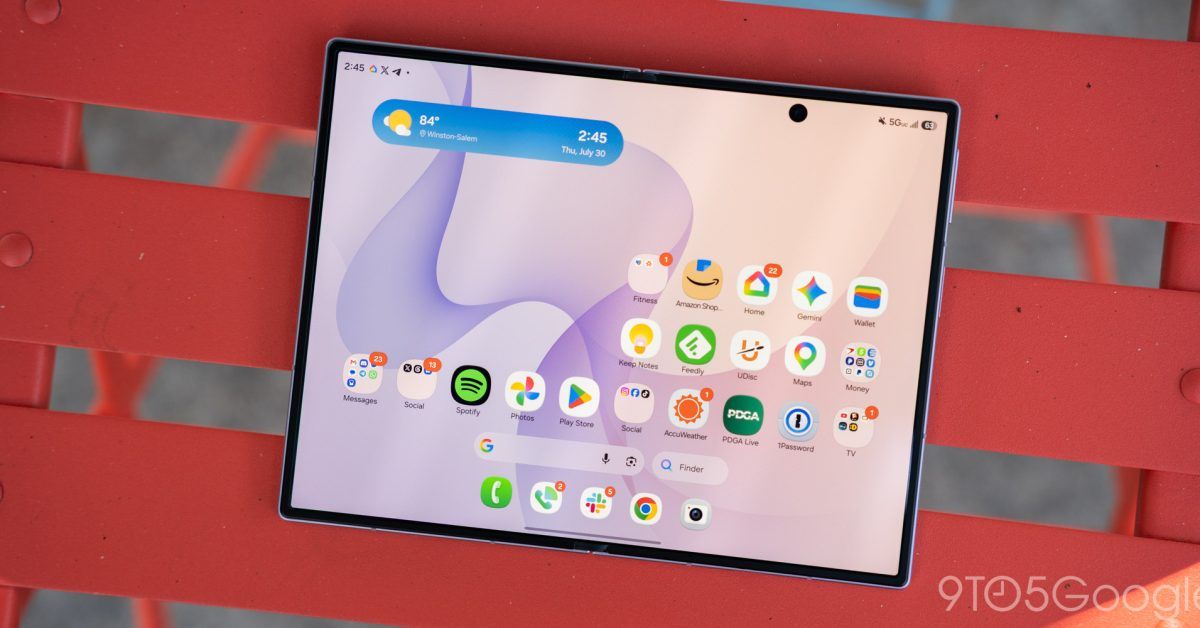
Software is the underreported story. Apps reflow between the cover screen and the inner display instead of jumping, and the transitions look genuinely fluid in every clip I’ve reviewed. My conclusion after all that footage: Apple didn’t match Samsung’s hardware, it redefined the interaction layer. That’s the one thing spec sheets can’t capture. We covered Samsung’s reaction to the Duo earlier this week, and the gap isn’t in panels. It’s in polish.
One more number explains a lot. Samsung Display is supplying the M16 OLED panels at roughly $250 each under a multi-year exclusive deal. The display is one of the costliest components in the device, which tells you where the money goes and why the storage ladder is so aggressive. Apple is effectively monetizing that panel twice.
Even the ecosystem is forming before the phone ships. Within 48 hours of the announcement, people were recreating the Duo’s transitions in custom launchers and speculating Good Lock-style tweaks. Third-party foldable tooling may arrive faster than the customer base, which would be a first.
Three things to watch before October 23: independent fold-cycle testing, how quickly developers ship optimized layouts, and whether early long-term units show crease progression the demo devices can’t reveal.
The crease debate was always a proxy war over whether Apple is allowed to arrive late and still win. On the evidence so far, it is. The crease is a non-issue, the software looks special, and the honest $2,999 price is the filter deciding who this phone is for. If you’re foldable-curious rather than foldable-committed, wait for the first teardowns. If you’re already sold, skip 256GB and put your money where the panel actually is.