Google made it official this week. The Made by Google event hits New York on August 12 at 6 PM EDT, and the stage will host the Pixel 11, the 11 Pro, the Pro XL, and almost certainly a new Pro Fold. Pre-orders are expected to open that same evening, with retail availability targeting around August 20.
That timeline is standard. What is not standard is the quiet admission that prices are going up, or the sense that the phone itself is merely the turnstile into a much broader toll booth.
A Glimmer of Personality in a Sea of Iteration
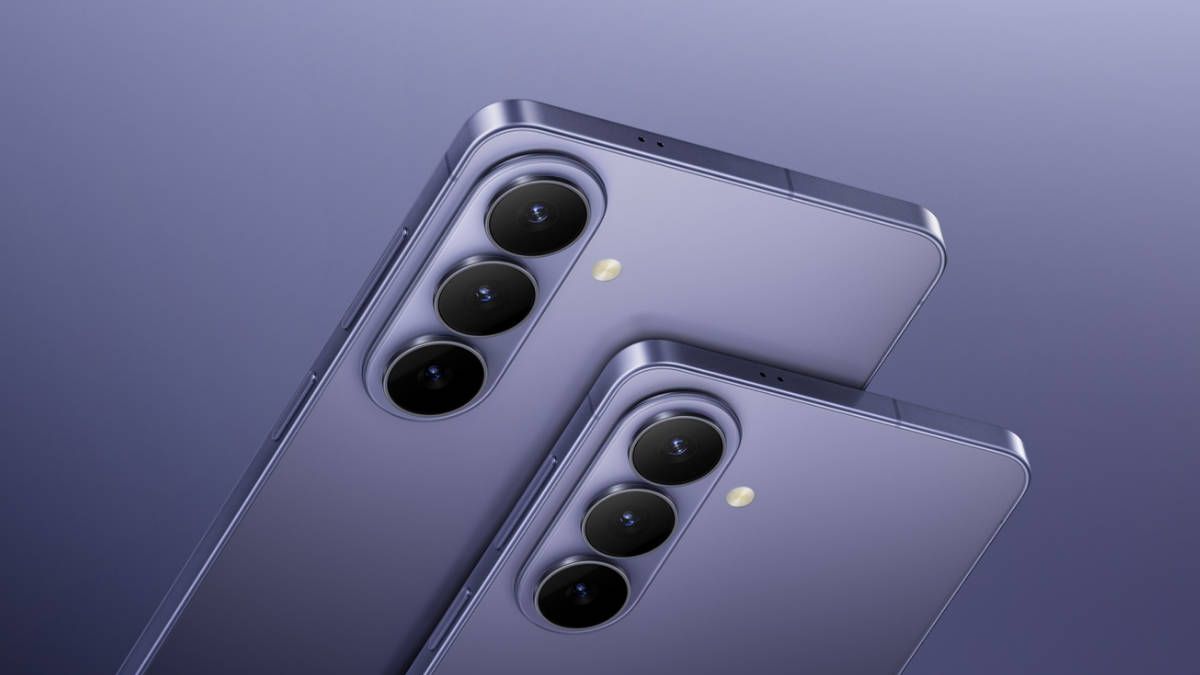
The leaked marketing materials show vibrant new colors and 30x zoom samples that look perfectly competent. But the detail that actually stuck with me wasn’t a sensor or a processor node. It was the camera bar lighting up.
Google’s been teasing what was internally called Pixel Glow, and recent Android 17 beta strings suggest it’ll launch as “HiLight.” It’s a subtle LED strip baked into that iconic camera bar, capable of face-down notifications, RGB torch tricks, and possibly even contact-specific alerts.
Reddit threads over the past week have been dissecting exactly how this’ll work. The consensus seems to be that Google isn’t just reviving the notification LED. It’s trying to make it polite. A soft glow replaces an always-on display burning battery, and a color-coded nudge replaces another buzz in your pocket. Whether it stays useful or becomes gimmickware depends entirely on how third-party apps can hook into it, and Google hasn’t clarified that yet.
Then there’s the software. UI leaks and Gemini integration demos are dominating the conversation ahead of the event, not benchmark scores. I keep seeing the same practical examples circulating: point the camera at a plant for care advice, or convert an email with an address directly into a mapped route. It’s telling that Google is marketing intelligence you can verify in a garden center rather than abstract teraflops. That shift matters. It suggests the Pixel 11 thesis is less about owning the spec sheet and more about owning the mundane moments where a phone actually earns its keep.

The Ecosystem Tax and the Fine Print
But here’s where the goodwill starts to thin. Google confirmed price increases across the board, blaming higher memory costs. That excuse only goes so far when the base Pixel 11 is still rumored to ship with 8GB of RAM. In an era where on-device Gemini Intelligence is the headline feature, 8GB feels like a hard ceiling. You can’t sell an AI-first phone and then starve it of the very resource that AI craves. It creates a tiered experience where the base model becomes a billboard for features it can’t fully run.
And then there’s the Pixel Tag. Leaks show a pill-shaped Bluetooth tracker launching alongside the phones for roughly $34. It’s Google’s opening bid against Tile and Samsung SmartTag, but it arrives a decade late to a market that already has winners. The design itself is already polarizing. There’s no keyring hole, which means you’re buying a case or an accessory just to attach it to your keys. UWB support remains unconfirmed, which would make precision finding a non-starter compared to Apple’s AirTag. It feels like a product designed to check an ecosystem box rather than solve a real problem better than existing options.
For South African buyers watching these global launches, the uncertainty around regional pricing echoes questions we raised during the Xiaomi QD Mini LED TV South Africa launch. And like the messy rollout of Xbox backward compatibility on PC, launching half-baked ecosystem accessories can burn user trust fast.
The event timing is also worth a note. A 6 PM EDT start in New York is late for European viewers and awkward for Asia. That scheduling, combined with confirmed price hikes and unconfirmed regional figures, leaves a lot of buyers guessing until the last minute.
I’ll be watching the August 12 stream, but my eyes are on the margins. I’m looking for how HiLight behaves under third-party apps, whether the Pixel Tag’s Find My Device integration actually works at range, and if the base Pixel 11 chokes on its own AI demos during the live showcase. Google has built a compelling ecosystem, but this year it feels like they’re raising the toll to drive on it. The Pixel 11 will almost certainly be a capable phone. The question is whether it’s a fair deal, or just the most expensive way to stay inside Google’s garden.