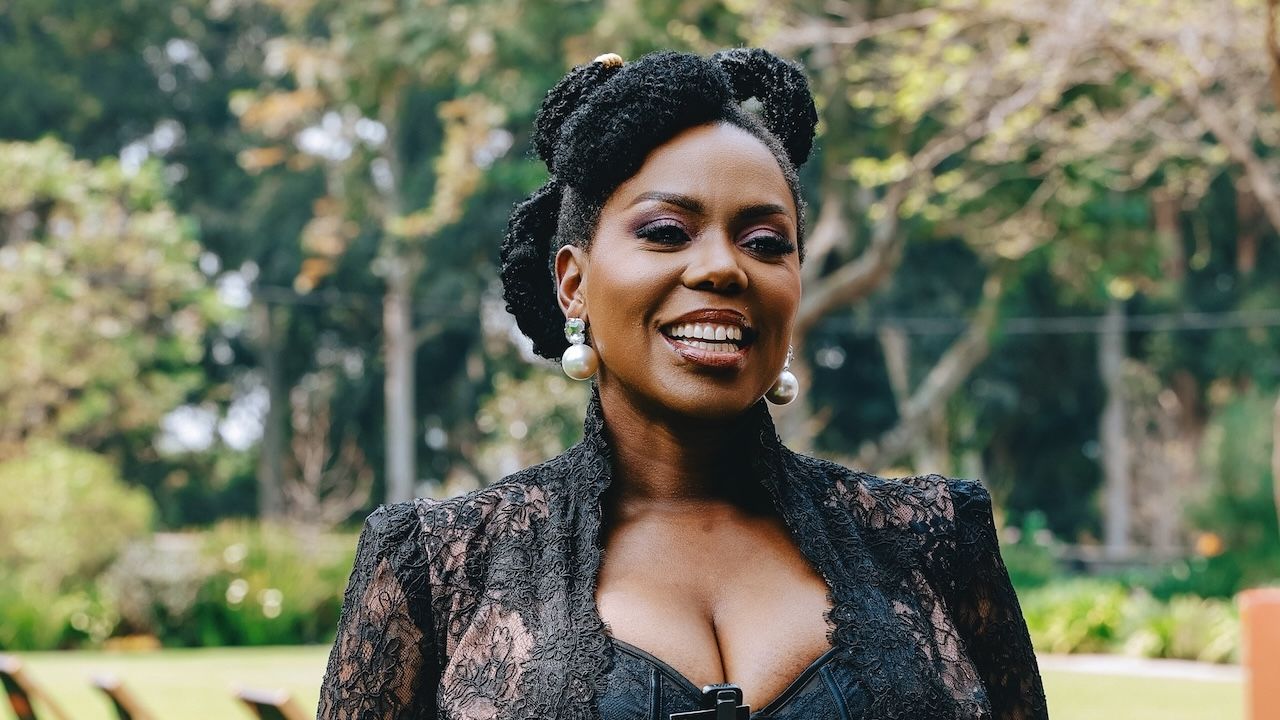
Minnie Dlamini stepped out in House of Nala on Tuesday night to deliver a list that barely resembles the pageant South Africa grew up watching. The Miss South Africa Organisation locked in its Top 19 finalists, trimmed down from the Top 24 announced in June, and the judging criteria read more like a venture-capital pitch deck than a beauty contest. Dr Aisha Pandor, Shudufhadzo Musida and Colleen Larsen evaluated these women on leadership, purpose, resilience, influence, innovation and strategic thinking. PwC audited the whole thing. Dr Precious Moloi-Motsepe, the organisation’s chairperson, calls it a “new era of leadership.” She means it. The crown is practically a footnote now.
This is not nostalgia talking. The shift is explicit. Every finalist must now advance an Empower Youth Africa initiative covering education, entrepreneurship, health or civic engagement. Sanelisiwe Diko, a 26-year-old pharmacist from the Eastern Cape, clinched her spot through the public Fan Favourite vote with a health and wellness project already mapped out. Makhosazana “Azana” Masango, the KwaZulu-Natal law student and musician, advanced with her own creative platform intact. The pageant isn’t borrowing from the entertainment world. It’s treating contestants as pre-built brands who happen to own evening gowns.
Azana’s crossover feels part of a broader trend. South African creatives are refusing to stay in their lanes. This year alone we’ve watched Tyla land a Bratz doll deal and musicians flip corporate partnerships into mainstream moments. The pageant seems to have noticed that cultural capital now travels faster than traditional polish.
The Judging Room Left Glamour at the Door
The panel didn’t pretend to care about sashay practice. Pandor built SweepSouth into a tech success story. Musida used her Miss SA 2020 reign to push mental-health advocacy into rural villages. Larsen runs a leadership consultancy. These are operators, not talent scouts. When they score “strategic thinking” and “social impact,” they are looking for founders, not finalists. That independence audit from PwC is there for a reason. The organisation knows the public is watching for favouritism, especially under Motsepe patronage, and it wrapped the process in corporate credibility to preempt the sceptics.
But credibility doesn’t guarantee warmth.
The online reaction has been sharp and divided. A vocal slice of the audience looked at the official portraits and saw a downgrade from the era of Zozi Tunzi and Demi-Leigh Nel-Peters. They want “international domination” aesthetics. They want the old glamour.
Instead they got headshots that looked, to some, like LinkedIn profiles with better lighting. The critiques didn’t stop at the photographers. Ownership came up. People are connecting the current visual identity and direction directly to the Motsepe family’s involvement, framing the shift as a corporate overhaul that sacrificed pageant magic for boardroom respectability.

That tension is real and it matters. A public vote still exists. Diko earned the final Top 19 spot because fans rallied behind her. Yet the judging criteria barely leave room for likability. The pageant is running a hybrid model, part meritocracy and part popularity contest, without fully admitting which one wins if they conflict. It’s messy. It’s also honest about where audience engagement actually lives in 2026. Between the Apple Siri AI launch next month and the daily churn of political headlines, Miss SA needs a mechanism that forces voters to care.
Gauteng Still Runs the Room
Look closer at the geography and another pattern emerges. Gauteng is heavily represented in this Top 19 again. The Eastern Cape, KZN and a handful of others are present, but the economic and educational access clustered around Johannesburg and Pretoria shows up in the finalists’ profiles. It’s the same resource gap that plagues every national competition. The pageant talks about Pan-African collaboration and grassroots empowerment, yet the pipeline still leans on provinces with better schools, better sponsors and better photographers. If the organisation is serious about impact, it might need to interrogate its own entry funnel as fiercely as it audits the final scores.
Then there is the accountability question. EYA initiatives sound excellent on paper. Education. Entrepreneurship. Health. Civic engagement. But what happens in March 2027 when the spotlight moves on? These finalists are now saddled with expectation. They aren’t just campaigning for a title. They’re campaigning for measurable social outcomes. That’s pressure few previous titleholders faced. The old job was to look devastating in a swimsuit and say something coherent about world peace. The new job is to run a mini-NGO with a tiara budget.
Miss South Africa 2026 is no longer a beauty pageant trying to add substance. It is a leadership incubator that still keeps a crown in the props cupboard. Whether that evolution survives the nostalgia of its own audience is the real contest. Azana will release music. Diko will counsel patients. The winner will inherit a platform built for impact, not Instagram perfection. South African audiences have spent years asking public figures to do more than look good. This Top 19 is the answer. We just have to decide if we actually like what we asked for.