When NextSlide founder Ahmed Beshry finally posted on the company site that his company had been acquired by OpenAI, he admitted the announcement was “a few months late.” The deal actually closed early this year. That’s not how you announce a strategic merger you’re thrilled about. It’s how you confirm an acqui-hire that was never meant to make headlines in the first place.
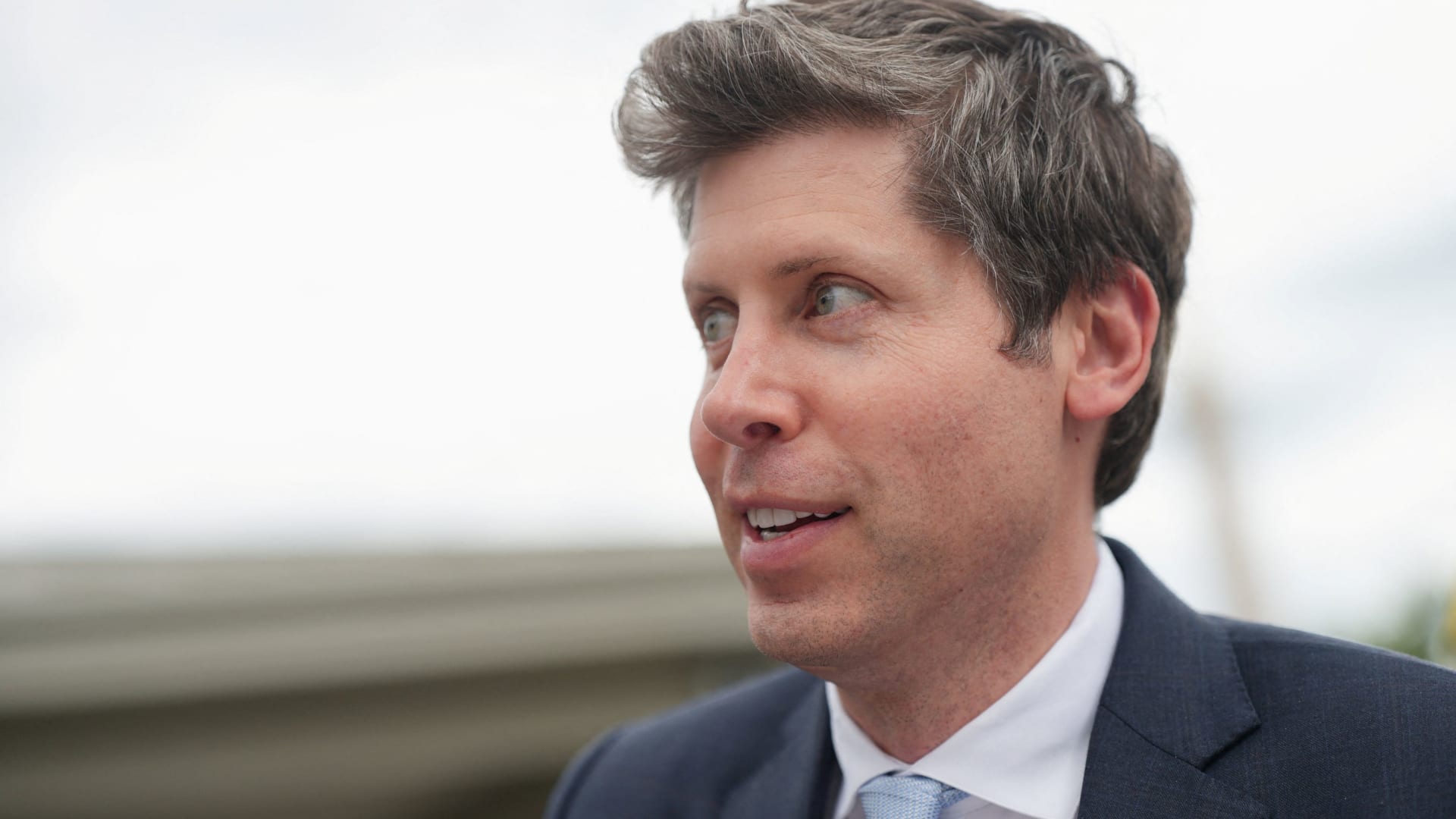
I’ve watched OpenAI’s deal flow tighten over the past eighteen months, and this one fits the same pattern: small team, experienced founder, quiet close, vague future. Beshry already sold Caper AI to Instacart for $350 million. He knows how to build something backers want. Folding him into a product role at OpenAI says less about presentation software and more about who Sam Altman wants in the room when ChatGPT’s enterprise layer is drawn up.
Beshry gave credit to Fidji Simo and others inside OpenAI for recognizing the vision. That’s not founder fluff. It signals that presentation features are a core priority now, not a side experiment.
ChatGPT already drafts your emails and your code. The next logical frontier is the boardroom deck. Turn raw meeting notes or research dumps into editable slides without ever leaving the chat window. Several users on X have already started treating Gamma and Canva AI as temporary scaffolding, betting that this exact workflow will soon live inside ChatGPT.
Quiet Deals, Loud Signals
The delay between the close and the reveal is the most interesting part of this story. OpenAI didn’t need press coverage in February. It needed Beshry’s team building inside ChatGPT while the rest of the market looked elsewhere. One X account tracking AI deal flow called the stealth cadence a deliberate strategy, securing talent and capabilities months before competitors or users could react. I’ve watched this playbook repeat itself across the last year. If you study the hiring announcements that slip out six months after a rumored stealth deal, the shape of OpenAI’s talent shopping list becomes obvious.
That should worry standalone AI productivity startups. When the world’s most funded lab quietly hovers up teams that understand document generation and interface design, the runway for independent players gets shorter. TechCrunch reported the deal only after Beshry broke the news himself, which tells you how little OpenAI cared about the press splash.
Between the ongoing Astra security scrutiny and the half-trillion dollar infrastructure push OpenAI is chasing, it’s clear the company wants to own the full enterprise stack. Slides are just the visible surface. What it’s really buying is the muscle memory of turning unstructured text into structured, visual output that feels native to an office workflow.

The Design Problem Nobody Is Solving
That ambition runs straight into a wall I’ve seen builders complain about for months. Even in official OpenAI demos, AI-generated slides struggle with basic design discipline. Logo placement drifts. Alignment grids collapse. Typography choices look borrowed from a high school computer class. Spacing is inconsistent, and reading order breaks on smaller screens. Reddit threads from early August surfaced this exact frustration, with users noting that the technology can’t yet handle the visual polish that real corporate work demands.
NextSlide promised editable exports, but seamless round-tripping with PowerPoint or Google Slides remains unconfirmed. And there’s a branding mess lying in wait. If you search for NextSlide today, you might easily land on nextslide.io, a separate remote clicker company built by an entirely different group. That confusion won’t help adoption when enterprise users start looking for the new ChatGPT feature.
Then there’s the privacy angle. The whole pitch is feeding your raw research, financial models, and meeting notes into a chatbot that spits out a strategy deck. For enterprise teams, that means proprietary documents flowing through OpenAI’s processing layer. The same security teams who are already asking hard questions about data retention won’t love this workflow unless the controls are explicit and granular.
OpenAI hasn’t announced any integration timeline and hasn’t shown a demo of a finished product. That silence, layered on top of the months-late disclosure, suggests the wiring’s still happening behind the curtain. The first release will probably be a bare-bones export that power users tolerate and designers mock.
I’m not convinced this is a Canva killer. At best, it’s an office utility. The real question is whether OpenAI can ship slide generation that respects brand guidelines and layout physics. Right now, the community mood is firmly wait-and-see, and that’s the right stance. If Beshry’s still posting about progress in six months, the project has oxygen. If he goes quiet, this joins the graveyard of big-tech talent purchases that never became products.
The presentation wars aren’t about fonts and color palettes. They’re about which AI layer becomes the default workplace operating system. OpenAI just spent undisclosed millions to buy a seat at that table. Whether it can actually design a decent slide to put on it remains to be seen.