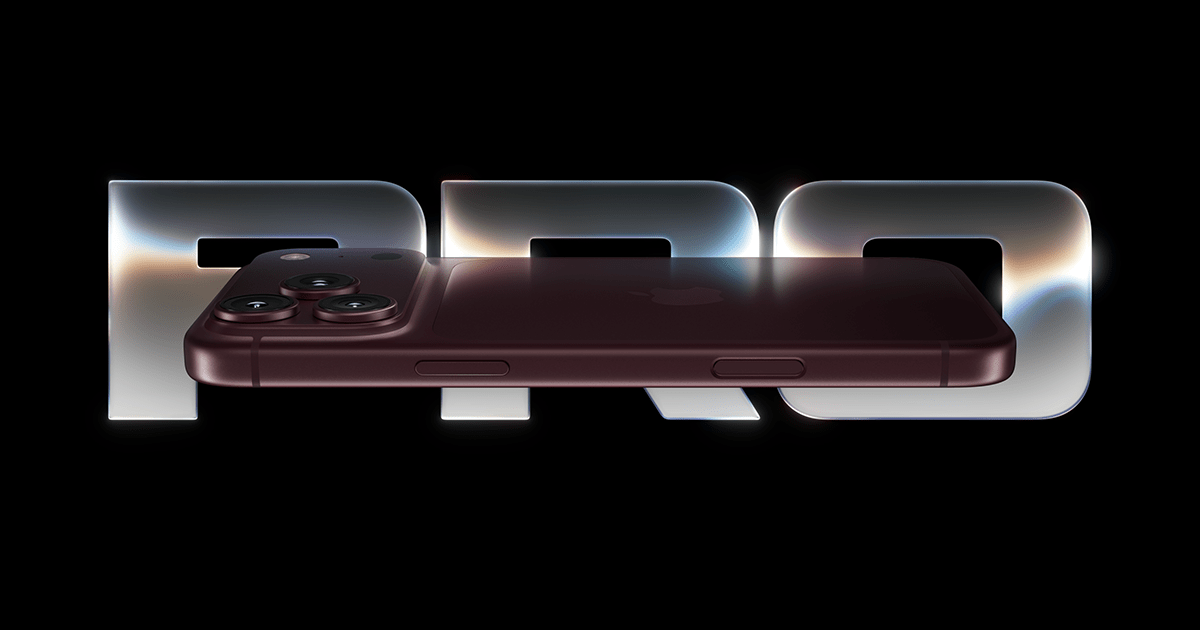
Samsung opened local pre-orders for the Galaxy Z Fold8 Ultra, Z Fold8, and Z Flip8 in late July, and the sticker prices landed exactly where you’d expect. The Fold8 Ultra starts at R50,999 for 512GB. The standard Fold8 opens at R40,999. Even the Flip8, positioned as the accessible option, lands at R26,999. The lineup includes a new passport-style form factor for the base Fold8, but in a market where those numbers represent a year of university fees or a decent second-hand car, Samsung isn’t selling smartphones so much as financial instruments dressed in titanium and Gorilla Glass.
The Real Price Is the Monthly One
Local pricing broke about a week before pre-orders opened, and the reaction was predictable shock. R50,999 for a device that folds in half is a tough sell in any economy, but in South Africa it borders on fiction for most households. Samsung knows this. That is why the Samsung.com/za storefront barely whispers the outright cost before it starts shouting about trade-in deals, 0% finance through Float and PayJustNow, and Mobicred options.
The actual momentum, though, is happening on carrier sites. Telkom’s FlexOn 6 plans have the Fold8 Ultra at roughly R1,849 per month over 36 months, while the Flip8 sits closer to R1,069 with data and minutes included. Those figures reframe the conversation entirely. We spent the last few days watching how local buyers engaged with Telkom’s promo posts, and the replies weren’t about the Snapdragon 8 Elite Gen 5 or the 200MP camera. They were about whether the contract includes Samsung Care+, how the accessory vouchers work, and if a phone with a cracked screen still qualifies for trade-in credit.
This is the inflection point nobody is talking about. Foldables are sliding out of early-adopter territory and into middle-income consideration, not because the hardware got cheaper, but because the financing got smarter. Thirty-six months is a long relationship in a volatile economy. Early-exit penalties and activation fine print deserve far more attention than the Green Shadow exclusive colorway.

You’re Not Buying a Phone. You’re Buying an Ecosystem.
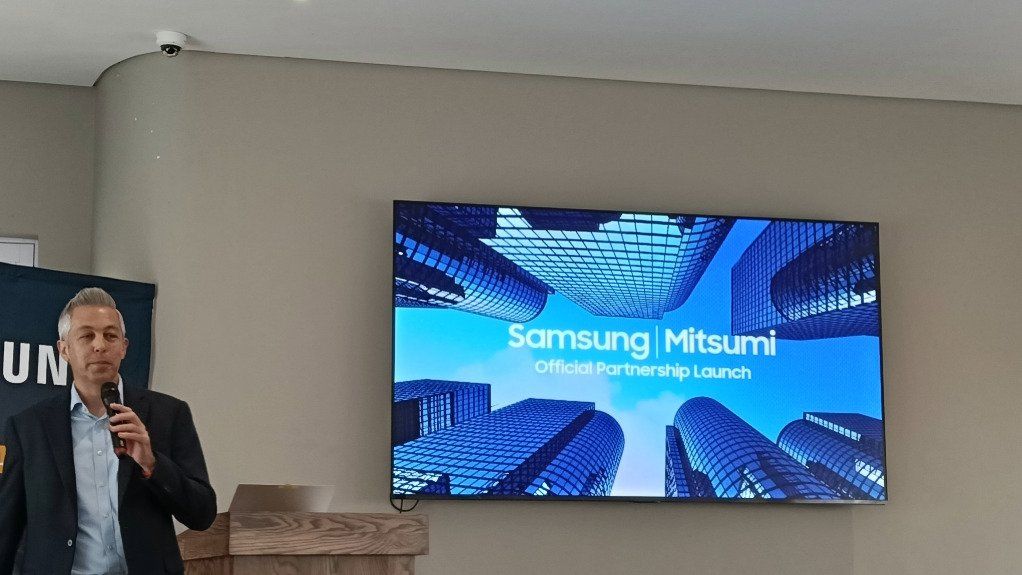
Samsung SA’s local Unpacked event leaned hard into “agentic AI” and productivity for South Africa’s digital workforce. It sounded like marketing until you looked at the bundle math. Pre-orders stack 10% off a Galaxy Watch Ultra2 or Watch9, discounts on Galaxy Buds4, R1,500 off accessories, and six months of Google AI Pro with 5TB storage. Samsung isn’t moving a device here. It’s moving a workflow, and it’s betting that local professionals who’ve normalized hybrid work will see the monthly outlay as a business expense rather than a luxury.
The catch is fragmentation. That Green Shadow color on the Fold8 Ultra is exclusive to Samsung.com and the Samsung Shop App. Carriers don’t have it. Next-day delivery and free shipping are emphasized only for direct purchases. So the best financing lives on the carrier side, but the exact spec and color you want might sit behind a full upfront payment on Samsung’s portal. It’s a deliberate tension designed to push committed buyers toward the direct channel while hoovering up everyone else through Vodacom and Telkom contracts.
Then there is the grey market. We’ve seen warnings circulating across African tech channels urging buyers to avoid unofficial imports on platforms like Jiji. For foldables, this isn’t abstract caution. A R50,999 paperweight with a broken hinge and no local warranty is a catastrophe. We covered the full Fold8 and Flip8 lineup breakdown earlier, and the hardware is genuinely impressive. But impressive hardware means nothing when your unofficial unit develops a crease issue and Samsung SA won’t touch it.
What’s most telling is the silence. The MyBroadband thread on these devices is active but oddly calm. Users are reposting news and doing bundle math rather than raging about prices or gushing over foldable gimmicks. That quiet suggests foldables have normalized. South African buyers aren’t dazzled by the folding screen anymore. They’re treating this like any other major purchase, comparing that R1,849 monthly commitment against petrol hikes and electricity tariffs, and deciding whether the ecosystem is worth the lock-in.
If you’re trying to decide before the pre-order windows close around mid-August, we’d recommend reading our comparison of the Ultra versus the base Fold8. The spec gap is real, but in this market the bigger question is whether you buy direct for the exclusive colors or surrender to a 36-month contract for the sake of your cash flow. Samsung has built a brilliant trap. The hardware is the best it’s ever been. The AI features are legitimately useful for multitasking. But the real innovation here is financial engineering, and we’re not entirely sure that’s a win for the consumer. Three years from now, we’ll know whether we bought into a productivity revolution or simply signed up for another subscription we couldn’t afford.