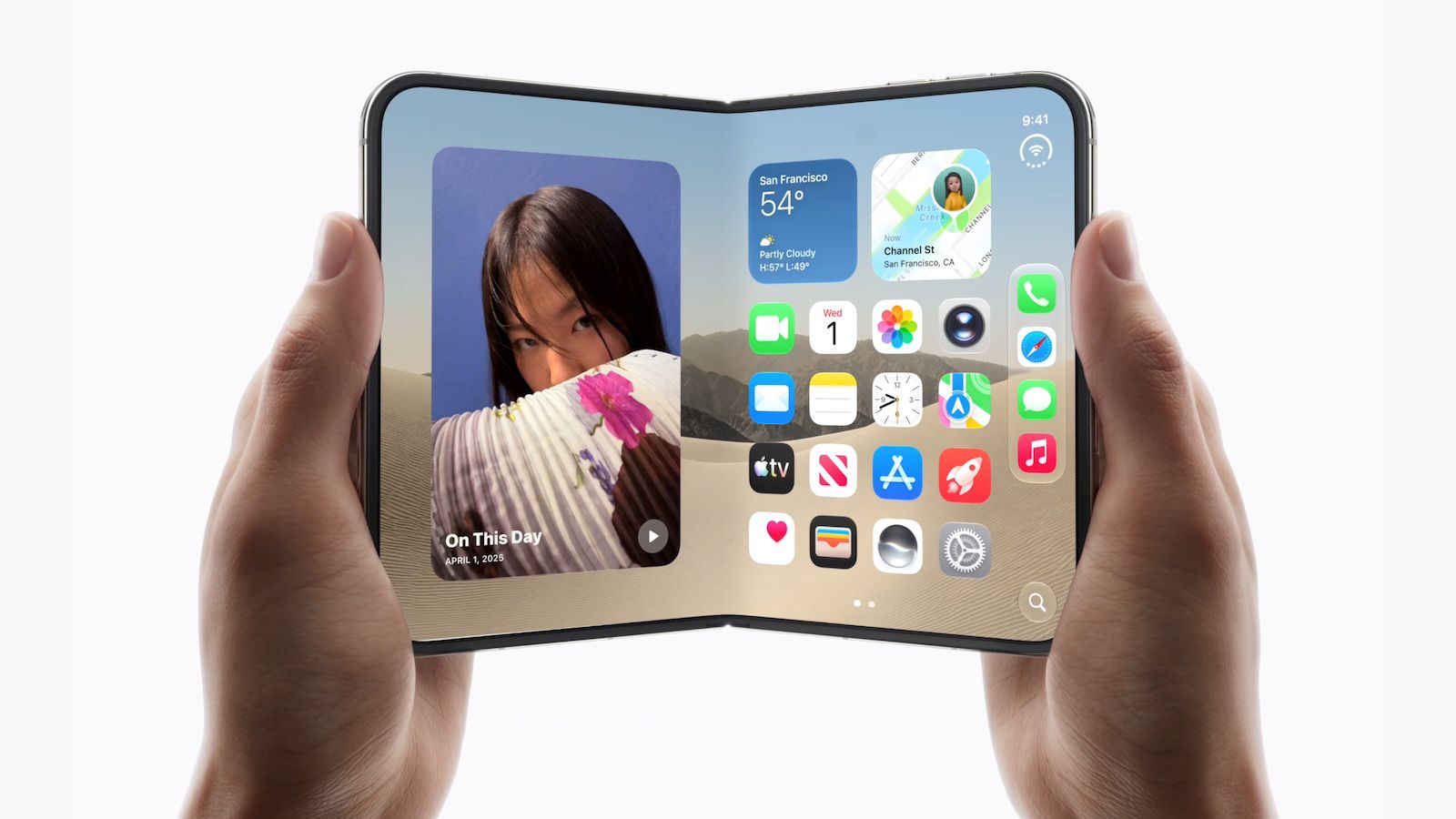
Samsung didn’t just refresh its foldables on July 22. It made a confession. After years of trying to build one Fold that pleased everyone, the company finally split the line into two distinct devices: the standard Galaxy Z Fold 8 and the brawnier Fold 8 Ultra. That structural shift says more about where foldables are headed than any spec sheet could. Meanwhile, the Z Flip 8 arrived with a whisper, not a bang, and early reactions suggest Samsung’s compact foldable is running out of runway.
We’ve spent the past week watching hands-on impressions roll in, testing units where we could, and the consensus is sharper than Samsung probably hoped.
The Fold Line Finally Makes Sense
For the first time, you don’t have to compromise. The standard Fold 8 trims down to roughly 201 grams with a 4,800mAh battery, targeting people who want a tablet-like screen without the wrist fatigue. The Ultra pushes to an 8.0-inch QXGA+ main display, packs a 200MP main camera, and accepts the extra grams. It’s two different philosophies under one brand, and the gap between them is wider than the naming suggests.

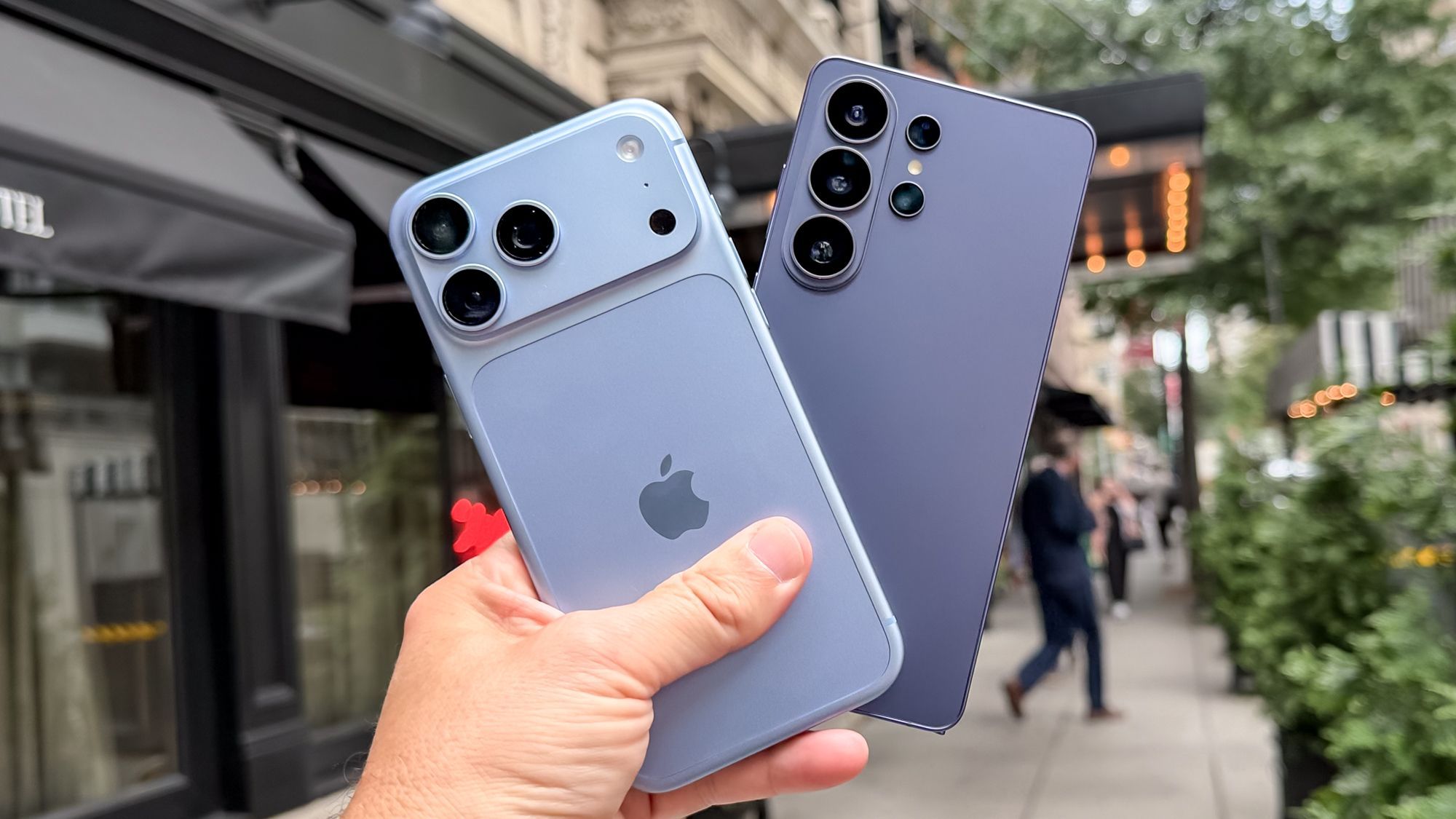
What surprised us most was how the Ultra actually feels in hand. Multiple early testers noted the narrower profile makes it more comfortable to grip than the Galaxy S25 Ultra, a phone that isn’t even a foldable. That’s a genuine ergonomic win Samsung didn’t broadcast loudly enough, and it matters more than another megapixel bump ever could. The 4:3 aspect ratio on the main screen is also getting niche praise from media hounds who are tired of letterboxed video on folding devices. When you unfold the Ultra to watch a show, the content finally fills the canvas instead of floating in the center with black bars.
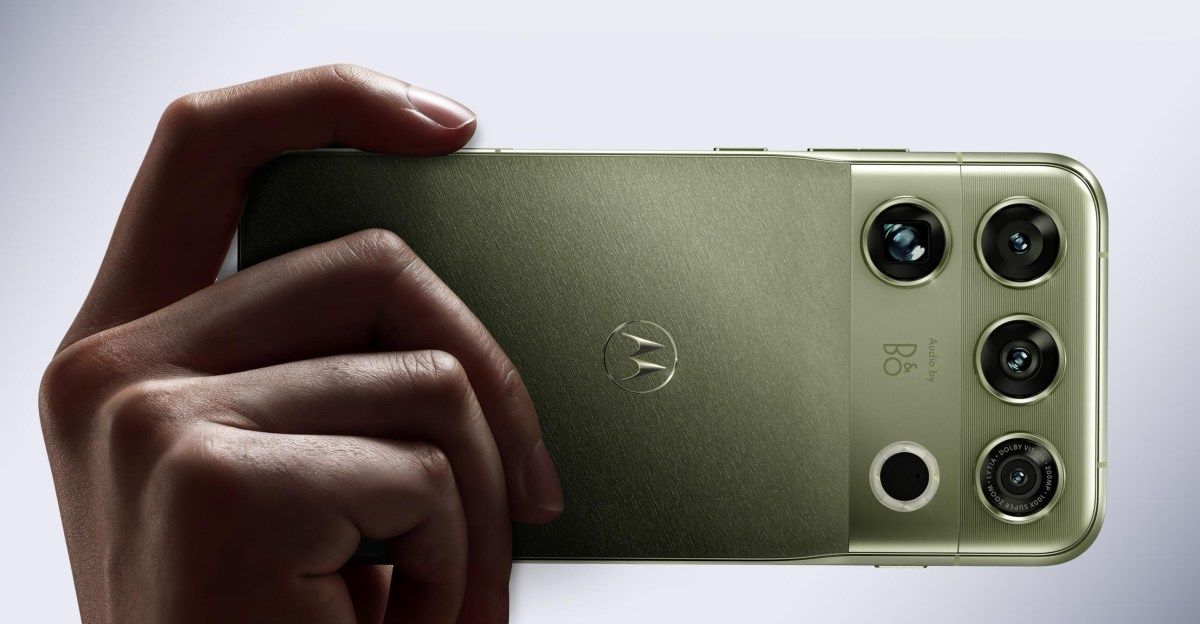
But the camera story isn’t pure victory. One early user flatly called the Ultra’s shooters “quite bad” despite loving the form factor, and others have flagged that the 200MP sensor doesn’t automatically translate to better real-world output than Samsung’s slab flagships. Samsung is talking up its ProVisual Engine and AI tricks, yet the gap between promised intelligence and delivered results is still where premium phones live or die. You can pack all the silicon carbon battery tech you want, but if the photo coming out of a $1,900 device looks softer than the one from last year’s S series, buyers notice.
There are practical trade-offs too. PCMag’s hands-on testing found the redesigned shape is easier to open in some grips but awkward in others. The hinge tension feels different depending on how you hold it, which isn’t something you expect from a sixth-generation foldable. At $1,900 to start, those quirks stop feeling like compromises and start feeling like design debt. Samsung also limited initial pre-orders to select markets, which means plenty of regions are still waiting to see if the hardware matches the hype.
The Flip 8 Is Running on Fumes
If the Fold line found its footing, the Flip 8 is stumbling over the same ground it covered last year. Samsung swapped in an Exynos 2600, trimmed some millimeters, and called it a day. Early hands-on reactions have been brutal. One tester summed up the mood perfectly:
The sentiment tracks. Samsung is charging premium prices for incremental upgrades, and the community is noticing. We’ve even seen speculation that the Flip series could face cancellation if the stagnation continues, though the “cute” compact factor still holds a niche that Samsung probably isn’t ready to abandon. The problem is that niche isn’t growing. It’s just getting more expensive to serve. You can only sell nostalgia for the clamshell form factor for so long before buyers ask what they’re actually paying for.
What’s telling is the regional focus. Samsung Japan is running a dedicated campaign asking users how easy the devices are to hold, which suggests the company knows ergonomics are a real pain point it hasn’t solved. When you’re polling customers on grip comfort while reviewers call your latest Flip “boring,” the product strategy needs a hard reset. The Flip 8 isn’t a bad device. It’s just a device that doesn’t know why it exists in 2026.
Pre-orders opened immediately in select markets on announcement day, with broader availability expected around August 7. Software support is solid, seven major OS upgrades, but that only matters if the hardware justifies the outlay. Right now, the Flip 8 doesn’t.
Samsung didn’t accidentally create two tiers of Fold. It looked at years of user data and realized that “foldable buyer” isn’t a single person. The Ultra is for the spec chasers who want a tablet that folds. The standard Fold 8 is for the pragmatists who just want less weight in their pocket. But the Flip 8? It feels like it’s caught in limbo, too expensive to be playful and too safe to be exciting. If Samsung wants the compact foldable to survive, next year’s Flip needs to be brave again. Otherwise, it’ll be remembered as the line that proved foldables could shrink, then forgot why anyone cared.