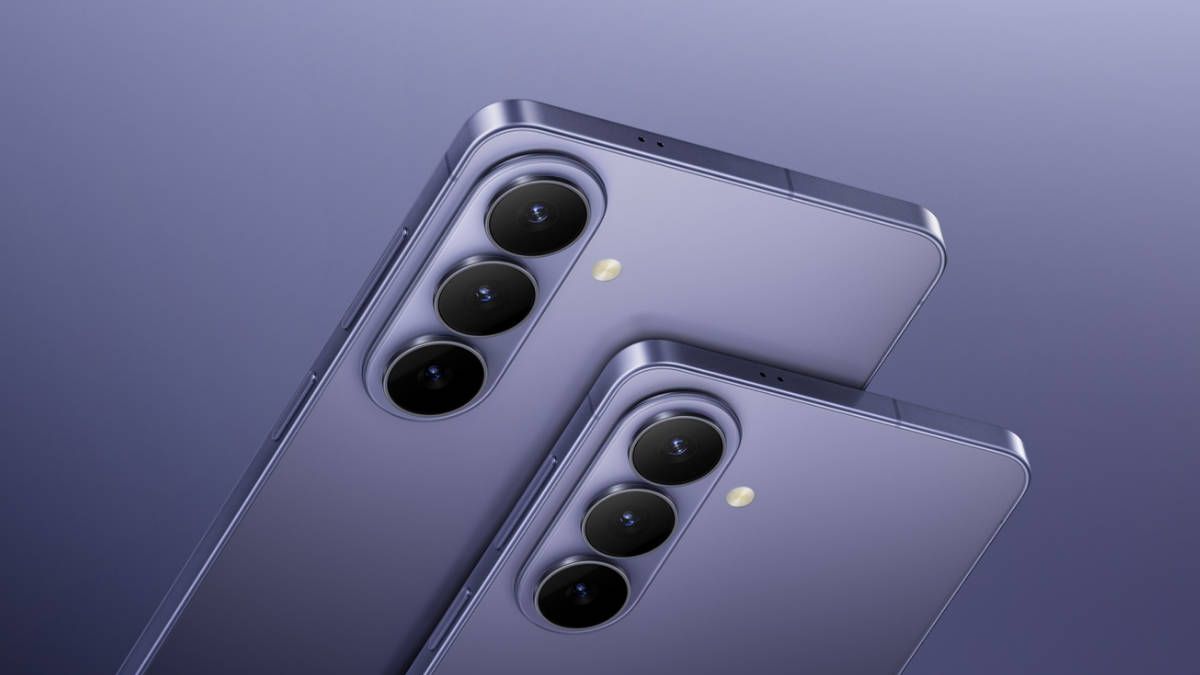
By August 4, the leak cycle for Samsung’s Galaxy S27 Ultra had already hardened into two concrete promises. We’re looking at a 5,700mAh silicon-carbon battery and a redesigned unified camera island slimmed down by inkjet lens printing. On paper, it’s the hardware refresh that Ultra loyalists have begged for since the S24 generation. But after spending the last few days combing through early reactions and conflicting reports, I’m convinced Samsung is solving its endurance problem while quietly engineering a camera controversy that could alienate the very buyers this phone needs to keep.
The battery jump is the headline grabber, and for good reason. Samsung has been stuck in incremental purgatory for years. Moving from 5,000mAh to 5,200mAh and calling it a day stopped cutting it a long time ago. This 5,700mAh cell is different because silicon-carbon chemistry is doing the heavy lifting, not a thicker chassis. It allows higher energy density without the weight penalty, which is likely how Samsung found room to grow the cell while also shrinking the camera module. That kind of coordination between the battery and imaging teams is rare for the company. Usually those divisions feel like they work in different buildings.
The Endurance Fix Is Real, but It Might Not Be Enough
Multiple sources have locked in the 5,700mAh figure, and the community trusts the leak. One account I follow pointed out that GalaxyClub has a flawless track record on Samsung battery specs, which makes the 5,534mAh rated capacity leak feel like a lock for a 5,700mAh typical rating. Memeburn noted the multi-year battery drought that this would finally end.
Still, I kept noticing a recurring warning in the replies and quote posts that mainstream coverage is glossing over. A display-focused leaker I watch raised a sharp concern: if Samsung skips the M16 OLED panel and sticks with an older generation, Apple and Google could hold roughly a 30% efficiency advantage in battery life. A bigger cell helps, but it can’t fully offset a hungrier screen. Samsung would essentially be running just to stay in place.
And then there’s the conditional loyalty. I saw buyers stating outright that a bigger battery and new chip aren’t good enough if Samsung guts the camera system they paid the Ultra tax for in the first place. One post I kept returning to called the leaks “honestly disappointing” if the fourth camera or dual telephotos disappear. That sentiment is everywhere once you look past the press release optimism. Another user put it bluntly: “Better camera and battery, or else the S27 Ultra won’t be mine.” That’s not entitlement. That’s fatigue after years of incrementalism.
The Camera Island Hides a Messier Story
The thinner camera module sounds like pure win. Android Headlines detailed the inkjet printing approach that replaces traditional lens molding, and it’s genuinely interesting manufacturing news. It frees internal volume and could enable even slimmer designs down the road. But the immediate trade-off is murkier than Samsung wants to admit.
Conflicting reports are swirling around the telephoto setup. One leak suggests the Ultra could drop to a single telephoto lens, abandoning the dual-zoom versatility that power users rely on for everything from street photography to concert shots. Another leak points to a new “S27 Pro” tier sitting between the S27 Plus and the Ultra, equipped with a lesser 12MP 3x telephoto. If that structure holds, Samsung isn’t simply upgrading the Ultra. It’s deliberately widening the gap between Pro and Ultra to push serious photographers toward the more expensive model.
This isn’t speculation. It’s segmentation dressed up as innovation. Samsung has a history of using the Ultra line to merge categories and test buyer tolerance. When the S21 Ultra leaks confirmed S Pen support, it previewed the death of the Note line and signaled that Ultra buyers would absorb the premium. We’re seeing the same playbook in Samsung’s foldable division right now. The Fold8 Ultra versus base model gap is basically a lab experiment in how much segmentation premium buyers will swallow before they defect to Apple or Google.
The horizontal camera bar redesign also carries practical friction. Case makers and accessory ecosystems have spent years optimizing around the floating-ring layout. A unified island means new molds, new grip profiles, and likely a wave of early third-party cases that fit poorly. On top of that, there are open questions about whether silicon-carbon cells will play nicely with Samsung’s charging speeds and thermal behavior over a full two-year cycle. Even the rumored 16MP selfie camera with optical image stabilization feels like a consolation prize. It’s a nice addition, but it doesn’t replace the loss of a rear telephoto lens for anyone who bought into the Ultra specifically for focal length flexibility.
Samsung appears to be addressing two of its most consistent critiques simultaneously: mediocre endurance and a bulky camera bump. That coordination is smart. But if the S27 Ultra ships with one fewer zoom lens and a forced tier structure that locks true versatility behind an even higher paywall, the 5,700mAh battery becomes a consolation prize, not a victory. I’ll wait for the official spec sheet before I call this an upgrade.