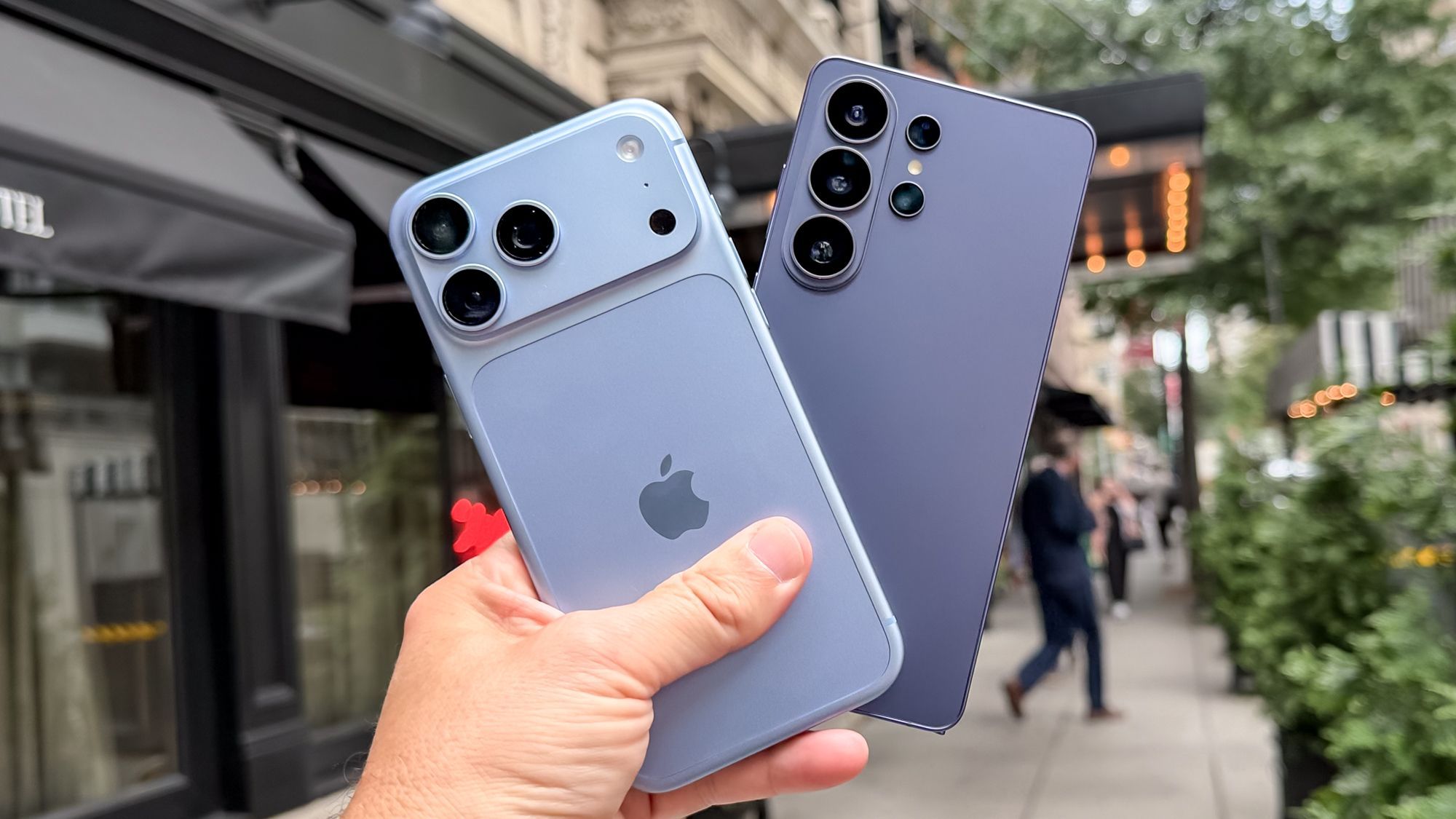
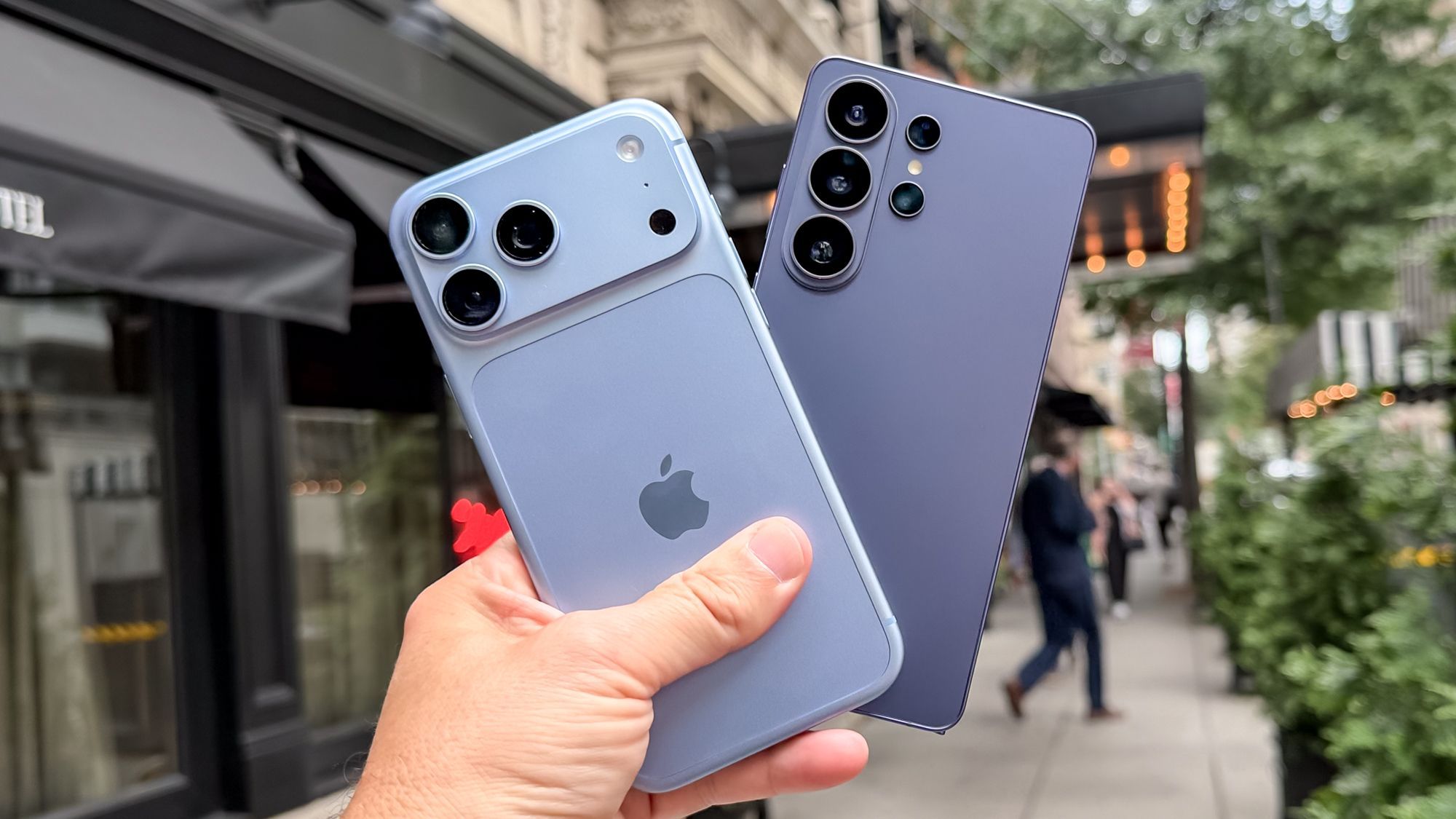
Poco launched the F9 Pro and F9 Ultra globally on September 1, and I’ve spent the two days since ignoring the camera talk and staring at two numbers. 6,330mAh on the Pro, 8,050mAh on the Ultra. My take is blunt: this is the first F series where the battery is the product and the chipset is a rerun, and Poco knows it. Everything else confirmed on the official launch page reads like table stakes for a 2026 flagship, Snapdragon 8 Elite Gen 5 silicon, 185Hz AMOLED displays, 200MP cameras.
Silicon-carbon is the actual story
The Ultra’s 8,050mAh cell runs on silicon-carbon chemistry with 16% silicon content and an energy density around 809 Wh/L. That’s the reason a battery this size fits inside a phone that doesn’t look like a brick. Most first-day reactions quote the capacity and move on, but the chemistry is the innovation every competitor will be chasing next year.
The EU energy label filed just before launch backs the claim up. The Ultra rates A for efficiency with 80-plus hours of rated endurance and 1,000 charge cycles before degradation. The same label warns of worse drop resistance, which is the trade-off nobody mentioned on stage. A bigger cell means tighter internals and less room for structure, and that matters more over three years of ownership than any launch-day benchmark.
Charging specs match the Chinese Redmi K100 twins exactly, 100W wired, 50W wireless, reverse charging on the Ultra. The cells don’t match. The global Pro carries 2,250mAh less than its Chinese counterpart and the Ultra gives up 1,020mAh. Identical speeds, less battery, and a higher starting price than last year. I went through the post-launch threads and this is the one question nobody from Poco has answered directly.
Three details Poco buried

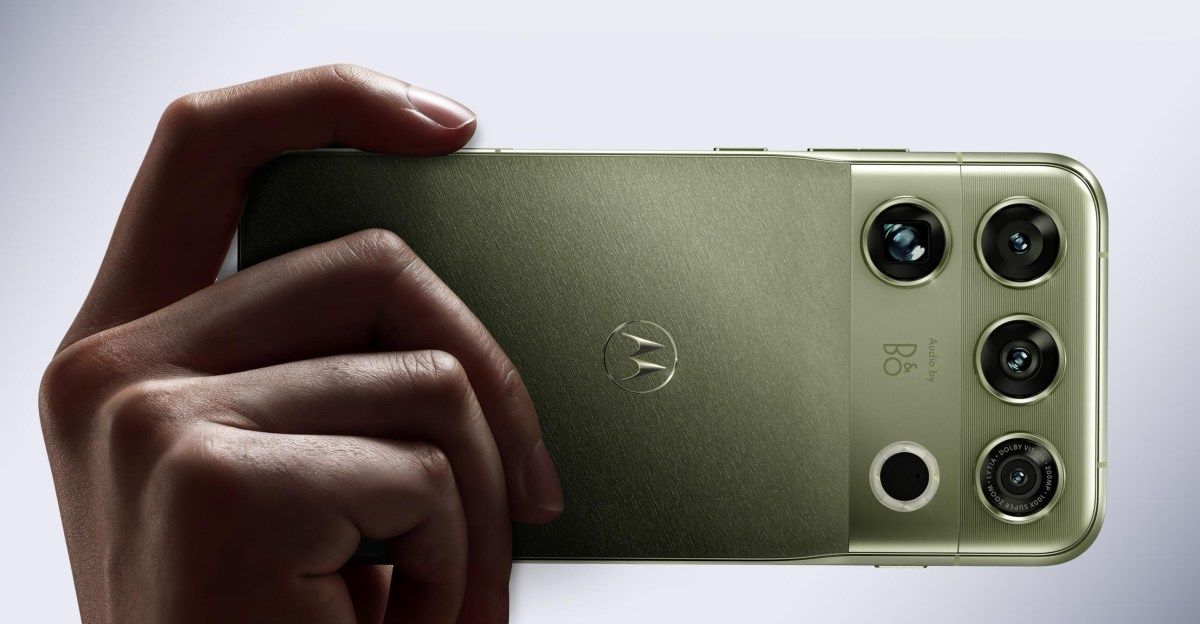
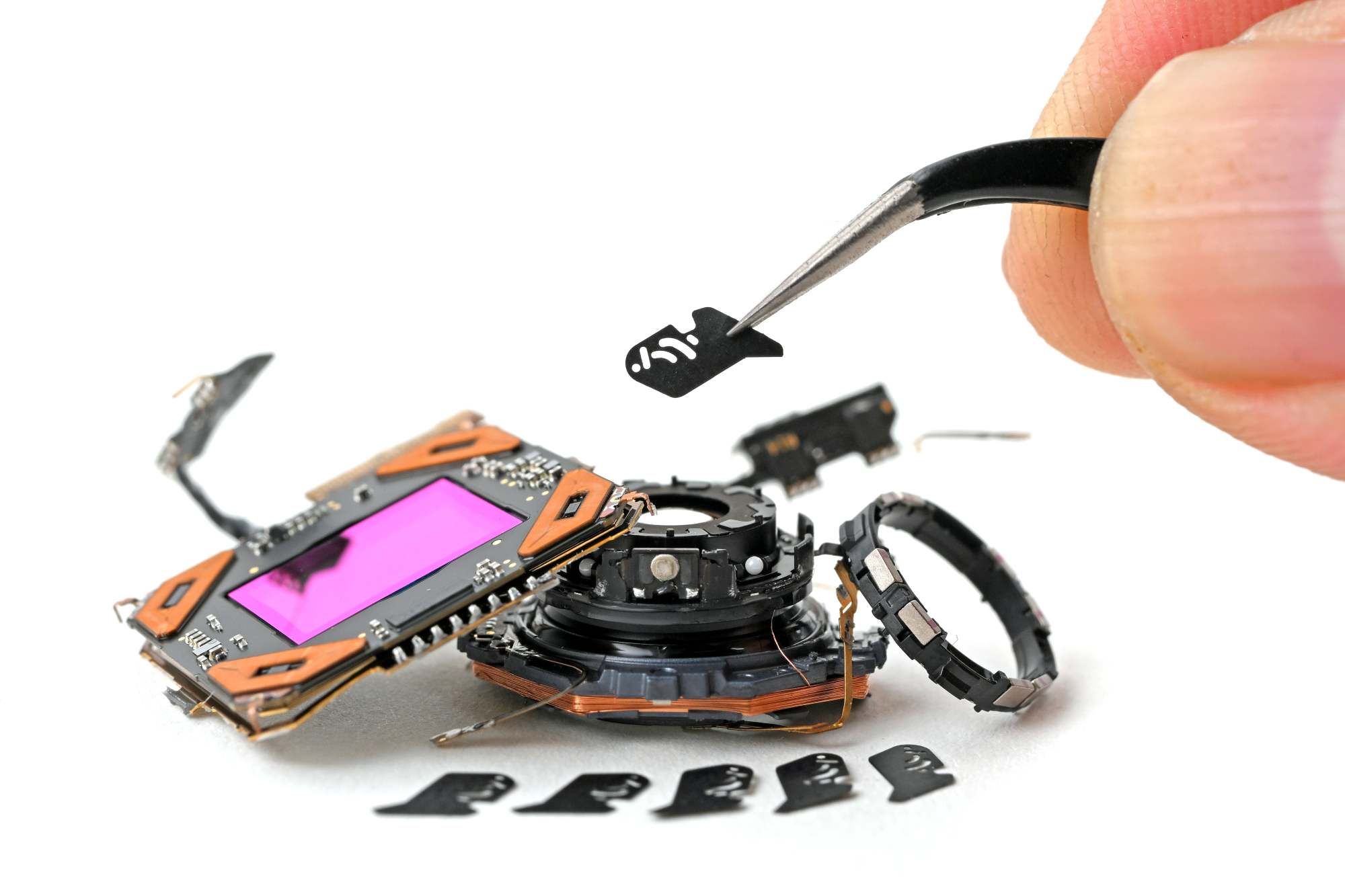
The Ultra’s Bose subwoofer isn’t just speaker tuning. It’s a physically separate driver built into the rear camera plateau, a genuinely odd piece of engineering hiding behind a Sound by Bose badge. Nobody at the event made a fuss about it, and they should have.
The F9 Pro’s Aurora Green variant ships with a full-panel luminous back that charges under light and even responds to a laser pointer. It sounds like a gimmick until you remember Poco built its name on fun, slightly absurd hardware. And the early September timing, two months ahead of the F8’s usual slot, looks like a hedge against Qualcomm raising chipset prices after September 1. Shipping the same Snapdragon 8 Elite Gen 5 silicon as the F8 Ultra suddenly looks less like laziness and more like arithmetic.
The sentiment I kept seeing across the first 48 hours was that the Ultra finally delivers two days of real use, and the capacity math supports it. Big hardware launches live or die on early momentum, something the record-breaking Xbox Series X launch proved, and Poco clearly wanted this one out the door before the quarter turned.
The friction is real
No charger in the box. A phone marketed on 100W charging that ships without a 100W brick is a strange kind of confidence, and it lands badly from a brand whose whole identity was value.
Pricing went up on POCO Global’s X account minutes after the stream ended. The Pro starts around $649 and the Ultra around $729, climbing to $1,199 at the top tier, with Europe steeper at €799 and €999. That’s flagship money for a rebrand with trimmed batteries, and the community pushback writes itself. Early-bird deals and regional bundles are already doing the heavy lifting, which tells you the sticker price isn’t the real price.
Availability is uneven too. Sales started quickly in Russia and the EU while India’s timing remains up in the air, so buyers in second-wave markets lose almost nothing by waiting. Launch pricing always softens, as we saw when tracking Ryzen 5000 pricing in SA.
My verdict after two days of digging. The 8,050mAh Ultra is the most interesting battery decision of the year and the first endurance claim from this brand I actually believe. But Poco is testing how much loyalty survives a higher price, a missing charger, and less battery than China gets. If you own an F8 Ultra, skip this generation. If you don’t, the early-bird price is the only price worth paying, and whether it holds past the launch window will tell you exactly who Poco thinks its customers are now.