Pre-orders for the iPhone Duo open October 16 at 5 a.m. Pacific, and I’d put money on the Star White 256GB tier selling out before most people finish their coffee. That’s not a knock on demand. It’s what happens when a company refuses to build a foldable for years, then ships one with a hinge nobody else can match.
I’ve spent the week since the September 9 keynote digging through everything Apple left off the stage, from accessory listings to SDK notes. My conclusion is that the Duo isn’t really a hardware launch. It’s a software bet wearing a $1,999 price tag, and whether it pays off has little to do with the crease everyone keeps arguing about.
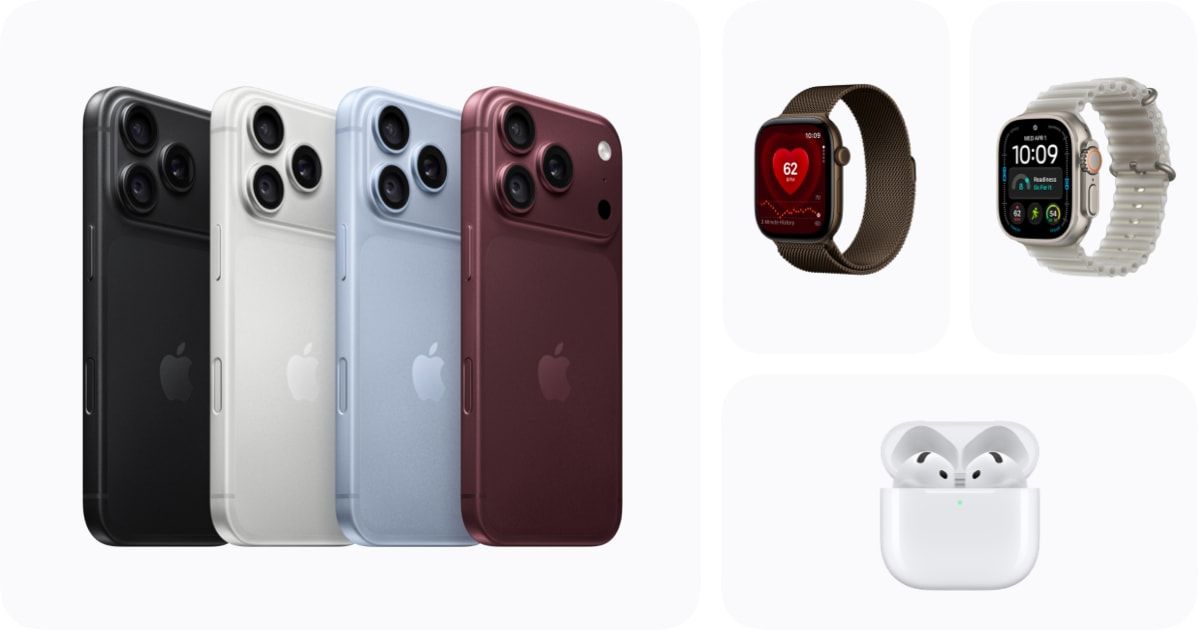
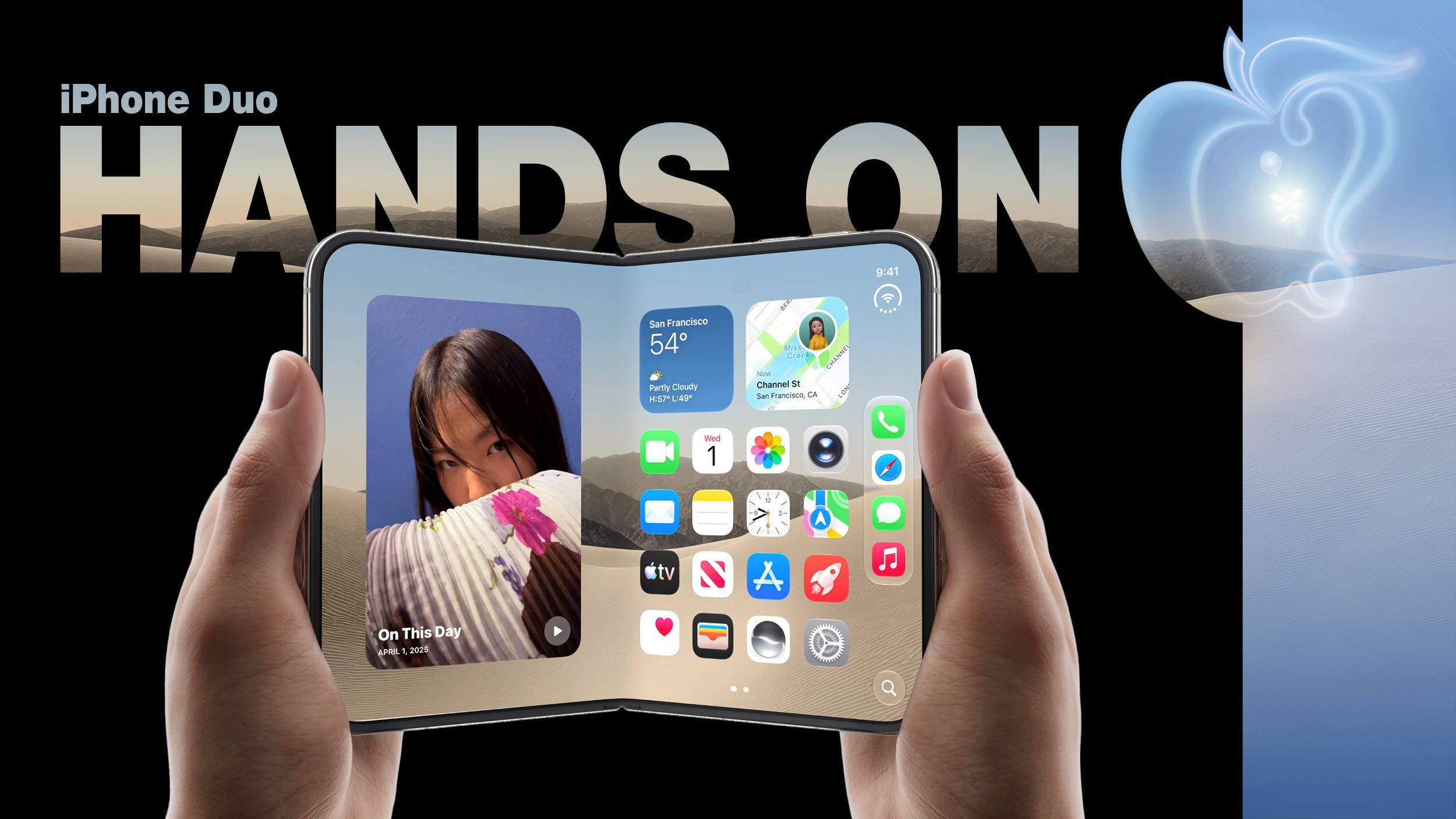
The fundamentals, quickly. Announced at the Surprise and Shine event under John Ternus a month into the CEO job, the Duo pairs a 5.4-inch outer display with a 7.6-inch inner one at an identical aspect ratio. A20 Pro chip, eSIM-only, split battery, Star White and Night Sky. Pricing runs $1,999 for 256GB up to $3,199 for 2TB, shipping October 23 in over 70 countries, 28 more on October 30. Our September 9 event rundown has the rest.
The keynote skipped the spec that matters most
MagSafe never came up during the keynote. I rewatched the segment twice to be sure. The confirmation only surfaced when Apple’s accessory listings went live, showing a $79 two-part polycarbonate case and a $129 TechWoven Folio with kickstand, both MagSafe and Qi2 compatible.
That quiet reveal matters more than it sounds. Wireless charging across a hinge is genuinely hard, and plenty of buyers had already written the feature off as a dealbreaker. Apple solved it and didn’t bother to brag.
Then there’s the unfold animation, the detail I can’t shake. Hinge-aware progressive blur makes the display read as one continuous sheet of glass while it opens, not two panels snapping together. Within two days, Galaxy Fold owners were recreating the effect with GoodLock hooks and custom launchers. When your competitor’s users rebuild your transition in their spare time, you built something.
The identical aspect ratio on both screens is the underrated design call. Apps don’t resize when you unfold, they just get bigger, killing the jarring jump Android foldables force on you. The tradeoff is width. Some early reactions call the passport-style footprint a size fail, but next to the Z Fold 8 Ultra I’d call the consistent ratio and relocated side controls clever adaptation. I broke down the fit problem separately.

The crease is a distraction. The app gap isn’t.
Apple claims custom adhesives and a nano-texture coating minimize the fold line. Early hands-on units tell a more honest story. There’s a visible crease when light catches the panel, and you can feel it under a thumb while scrolling. This early clip matches what I saw.
Whether that bothers you is a matter of taste. The durability question is more legitimate, because a 116-part hinge is completely unproven and Apple hasn’t published a fold-cycle rating the way Samsung does. Nobody knows how this mechanism wears at year two.
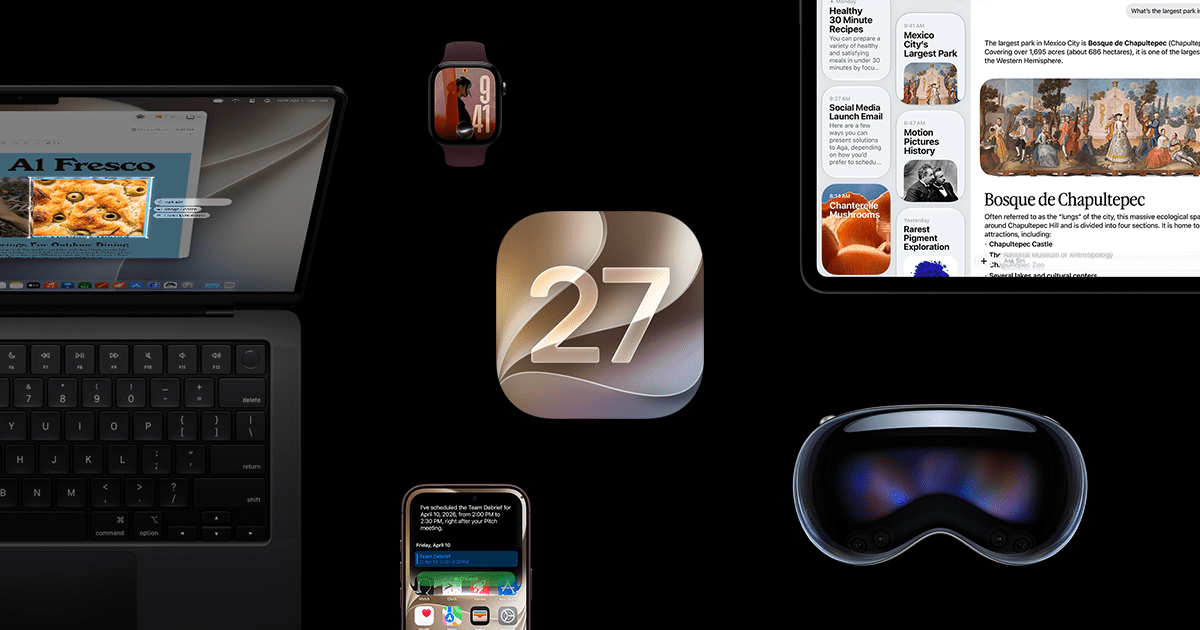
The letterboxing should shape your pre-order decision more than the crease. Third-party apps compiled against older SDKs render with black bars on the inner display, and full optimization needs iOS 27 updates developers have no obligation to rush. Apple posted dedicated developer resources covering the Duo’s form factor and Split View multitasking, and the dual-windows emphasis makes Apple’s productivity ambitions obvious.
But Apple Pencil support slips to later this year, so early buyers get the canvas without the stylus. Developers are openly asking whether the Duo’s niche volume justifies the porting work. Every aspect ratio shift Apple has made followed the same pattern, and the long tail took years.
Two more friction points. Battery life on the split-cell design is unproven until someone runs a unit through a normal working day. And the eSIM-only setup, paired with a Duo-specific case whose hinge coverage when closed is unclear, narrows who this phone is actually for.
What I’m watching before October 16
Three things are worth tracking. First, stock, where signals point to tight availability and fast sell-outs, with buyers in the 28 later countries facing importer pricing from day one. Second, Samsung, which spent launch week needling Apple while chatter builds around a thinner, cheaper TriFold 2 response.
Third, the cadence. Pro models in September, the Duo in October. That split is Ternus’s first big scheduling call as CEO, and it quietly tests foldable demand apart from the core lineup. The Pro’s pre-order launch was noticeably quiet. This one won’t be, and the gap between the two tells Apple whether foldables are a niche or a third pillar.
My take: I’m skipping day one, and it isn’t about the crease. I want to see the app gap start closing within the first month, because a foldable lives or dies on software as much as hardware. If developers follow, the Duo redefines what a phone is. If they don’t, it’s the most beautiful $1,999 video player Apple has ever sold.