SpaceX posted $7.8 billion in Q2 revenue last night, a 92% jump from the same quarter last year, and its first set of public earnings since the IPO. The headlines will tell you that Starlink hit 12 million subscribers and that AI compute revenue more than tripled. Those numbers are real, but they aren’t the point. After reading through the filings and the technical threads that followed, what’s clear is that SpaceX is no longer a rocket company with side businesses. It’s becoming an orbital AI infrastructure giant that happens to own the rails.
The market’s reaction was almost immediate and oddly defensive. Traders bought the revenue beat but sold the stock on the capex number, which came in around $18 billion. That tension tells you everything about how Wall Street is misreading this company. They’re treating it like a telecom or a defense contractor when the actual strategy looks a lot more like Amazon’s AWS vertical integration play at its early hyperscale phase.
The AI Infrastructure Bet Is All or Nothing

SpaceX’s AI segment pulled in roughly $2.6 billion this quarter, up about 250% year over year. More importantly, the company locked in $14.1 billion in new contracted cloud and compute sales with customers including Anthropic and Google. That isn’t just recurring revenue. It’s a forward commitment to infrastructure that is still being built.
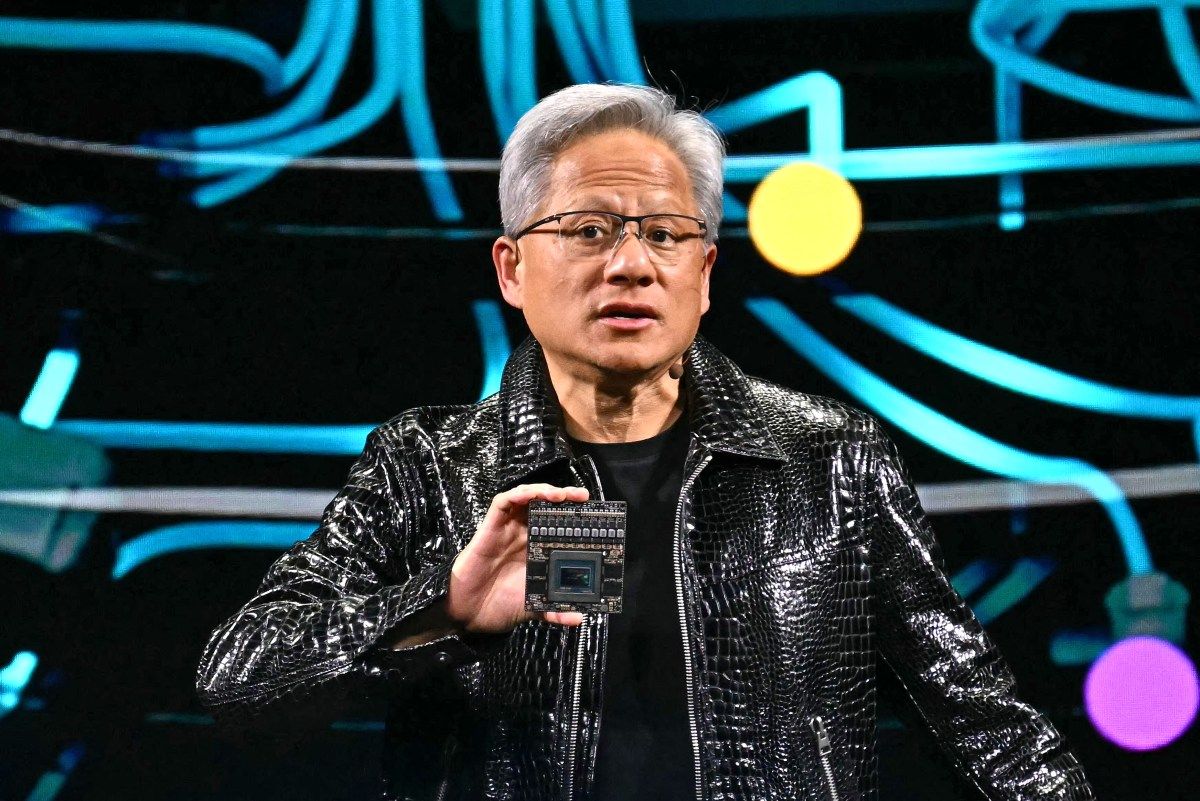
What caught my eye in the post-earnings technical discussions was the absolute commitment to Nvidia’s Vera Rubin architecture. No hedging with AMD, no custom ASIC experiments, no diversification. Just a single-supplier bet at a time when GPU and HBM shortages are still squeezing every hyperscaler on Earth. The reasoning I kept seeing from engineers and supply chain watchers is blunt: when you’re targeting over 2 gigawatts of compute by December and ten gigawatts by the end of 2027, you can’t afford architectural drift. You need chips that arrive, install, and stay stable. SpaceX chose certainty over flexibility, and that choice reveals how aggressively they’re scaling.
Then there’s the orbital angle that almost nobody in the mainstream coverage touched. SpaceX is launching optimized Nvidia systems as part of its Starmind satellite payloads. The idea is radiation-hardened, low-latency compute sitting in orbit, doing inference and processing that terrestrial data centers physically cannot match without a rocket program. If that works at scale, AWS and Google Cloud aren’t just competing with SpaceX on price. They’re competing with physics.
Elon Musk made a brief comment during the call about memory being the real bottleneck in AI, with demand growth outpacing supply so fast that HBM pricing dynamics will matter more than headline chip counts. It was a throwaway line that got buried under the revenue numbers, but it explains the Nvidia exclusivity. You don’t bet the farm on one supplier unless you believe the memory ecosystem around that supplier is the only one capable of keeping pace.
The $60 billion Cursor acquisition and the deeper Grok integration add another layer. SpaceX isn’t renting out GPUs like a commodity landlord. It’s building a vertical stack from orbital hardware to enterprise software. That’s a very different margin profile, and a very different risk profile, than pure infrastructure rental.
Starlink’s Growth Masks a Harder Pivot Ahead
Starlink doubled its subscriber base to 12 million and delivered $4.3 billion in connectivity revenue. Operating income in the segment grew 79%. Those are consumer telecom numbers that any broadband provider would kill for. But the consumer business isn’t where the strategic weight is shifting.
The $6 billion-plus in new multi-year Starshield government contracts is the real engine. It turns Starlink from a residential internet provider into a defense and national infrastructure layer. That’s non-consumer revenue with long contract tails, and it diversifies the business away from retail ARPU pressures that are already drawing skepticism in the community threads. Several technical users raised questions about whether the next-gen V3 satellites can actually deliver the promised 100x bandwidth jump in real-world deployments, and whether ground station density and international spectrum rules will keep up with the satellite count.
Those aren’t fatal concerns, but they matter more than the headline subscriber count. Starlink needs V3 to work not just for consumer streaming, but to support the data throughput that Starshield and the orbital AI payloads will demand. The segments aren’t separate businesses anymore. They’re one network with different customer interfaces.
Meanwhile, the financials carry real tension. Net loss narrowed to $541 million, and adjusted EBITDA hit $3.5 billion. An $18 billion capex bill is enormous, and the AI segment is still loss-making despite its revenue ramp. SpaceX reportedly sits on roughly $100 billion in cash, which sounds comforting until you realize that building ten gigawatts of AI compute by next year could chew through a meaningful chunk of that.
The skepticism I found most convincing wasn’t about the demand. It was about timing. SpaceX recognized AI revenue this quarter from contracts that are still being built out. If the Vera Rubin supply chain hiccups, or if memory constraints bite harder than expected, those revenue recognition schedules could slip. The company has essentially promised a buildout speed that no one has attempted before.
SpaceX is currently priced and discussed as though it makes money by launching rockets and selling dish kits. That description expired yesterday. It is now an AI compute utility with a captive orbital delivery network and a growing defense software arm. The risk is that it has bet everything on one GPU architecture, one satellite generation, and one massive capex cycle. The reward is that no competitor on Earth can replicate its vertical stack without first inventing its rocket program.
What I’ll be watching next isn’t the next quarter’s revenue beat. It’s whether those Starmind payloads actually stay online and whether the V3 bandwidth claims hold up once they’re out of beta. If both land, SpaceX won’t just be the biggest space company. It’ll be the first one to break the gravity well of terrestrial cloud computing.