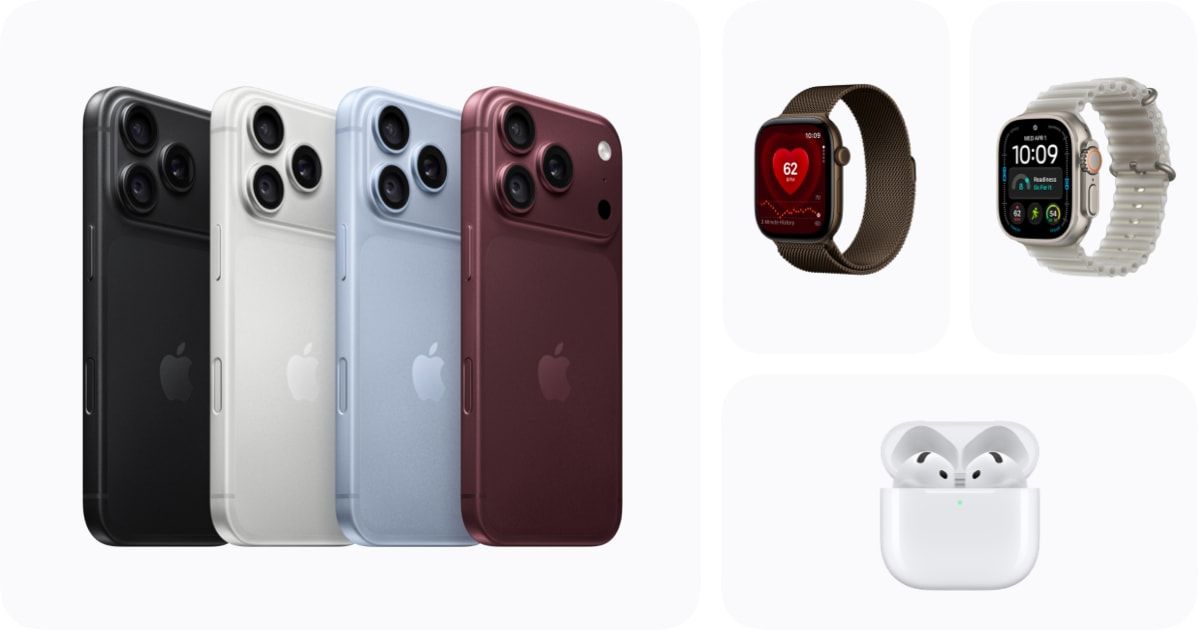
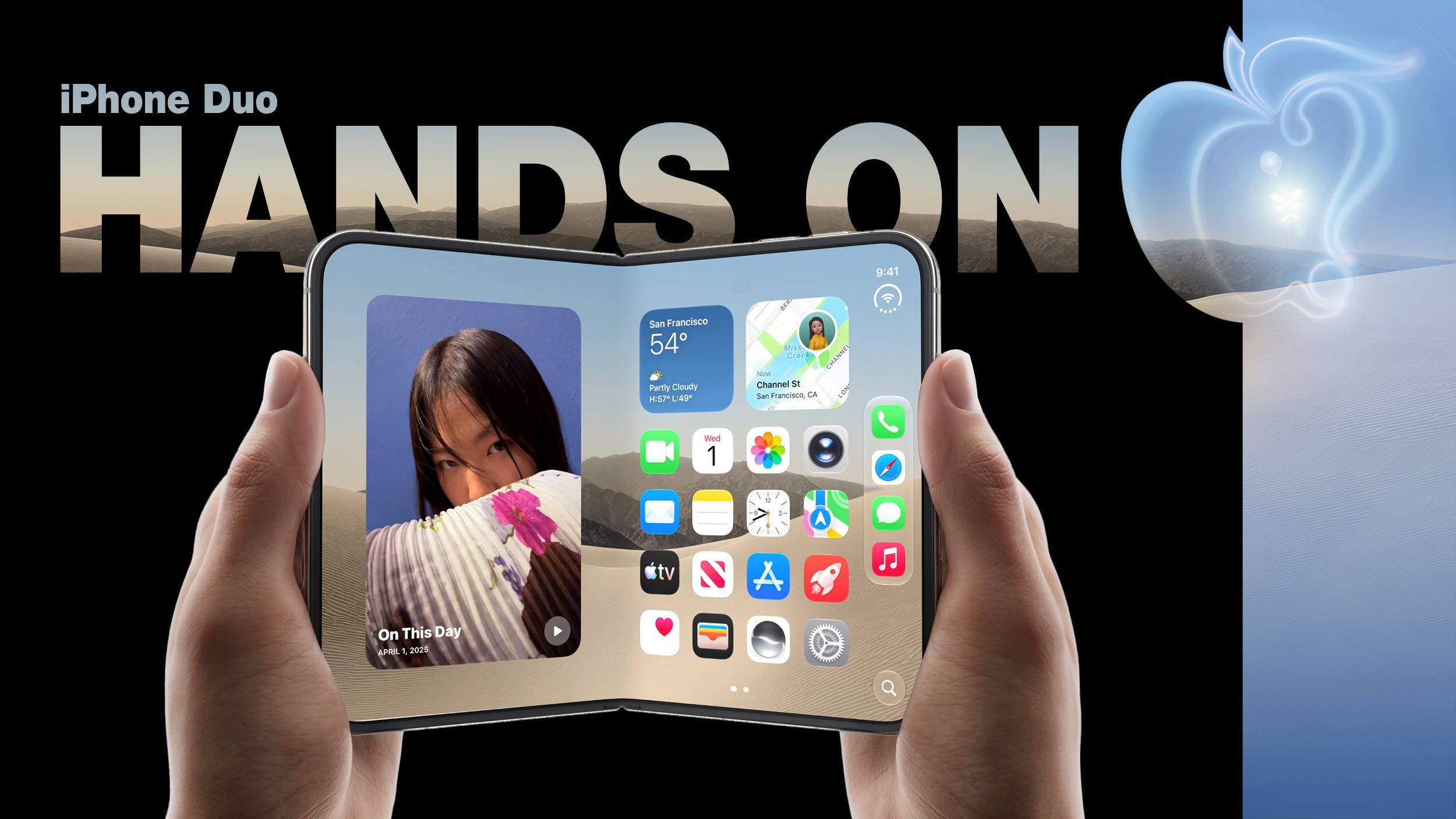
The invitation hasn’t gone out yet, but the shape of Apple’s September 9 event is already clear, and it’s stranger than any iPhone launch in years. Expect the iPhone 18 Pro, the 18 Pro Max, and a foldable without a settled name. What you won’t see is a new standard iPhone. For the first time since 2011, Apple is splitting its fall lineup, and that decision says more than the keynote will.
Based on Apple’s usual rhythm, the invite should land around August 25 or 26. Last year’s arrived August 26, two weeks out. Everything points to Wednesday, September 9, with new Apple Watches and the HomePad hub on the undercard.
The quiet end of the fall iPhone ritual
For over a decade the September keynote meant one event, one new iPhone for every budget, and queues the next morning. This year only the expensive phones show up. The base iPhone 18, the 18e, and the Air 2 slip to roughly March 2027.
That’s no longer rumor drift. Pegatron’s Q2 earnings call pointed to a customer pushing a model into Q1 2027, and Largan Precision’s chairman described the same delay in June. Two suppliers describing the same slipped phone is about as confirmed as it gets before Apple says a word.
The survivors are getting pricier, too. The 18 Pro pair is tipped to climb $100 to $300, landing near $1,299 and $1,399. We’ve already covered the rand impact for South African buyers. Worse, the base 18 reportedly misses two iOS 27 features, so the cheap phones arrive later and do less.
Practical note: trade-in values peak right now and slide after announcement. If an iPhone 17 would make you happy, upgrade today unless the foldable is specifically yours.
Scarcity is the marketing plan
Ming-Chi Kuo expects a repeat of the iPhone X story, announced in September and barely purchasable until December. Half a million to a million units built in Q3 against 7 to 8 million for the second half, versus 20 to 22 million for the Pro pair. Pricing starts between $2,299 and $2,499, with lead times stretching four to six weeks through December.
Here’s the nuance most coverage keeps missing. A day-one sellout won’t prove demand. With supply this thin it proves only that Apple built fewer phones than there are curious people. Sold-out Mac Studio configs never made that machine a phenomenon, and scalpers project 50 to 100 percent premiums. Some of that is surely the point, because constrained supply of a recognizable form factor manufactures hype no ad budget could buy.
Even the name is unsettled. Insiders say everyone at Apple calls it the Ultra, yet critics argue you can’t badge a device that trails the Pro in several respects as something above it. Chatter also ties the Ultra name to a 20th anniversary iPhone next year. The invite wording may settle it.
The compromises nobody is pricing in
Physics is winning a decade-old argument. The chassis is reportedly too thin for TrueDepth, so the foldable ships with a Touch ID power button instead of Face ID. A fingerprint reader on a $2,200-plus phone, after a decade of Face ID evangelism, is millimeters quietly beating marketing. The angriest buyers will be those who believed the pitch.
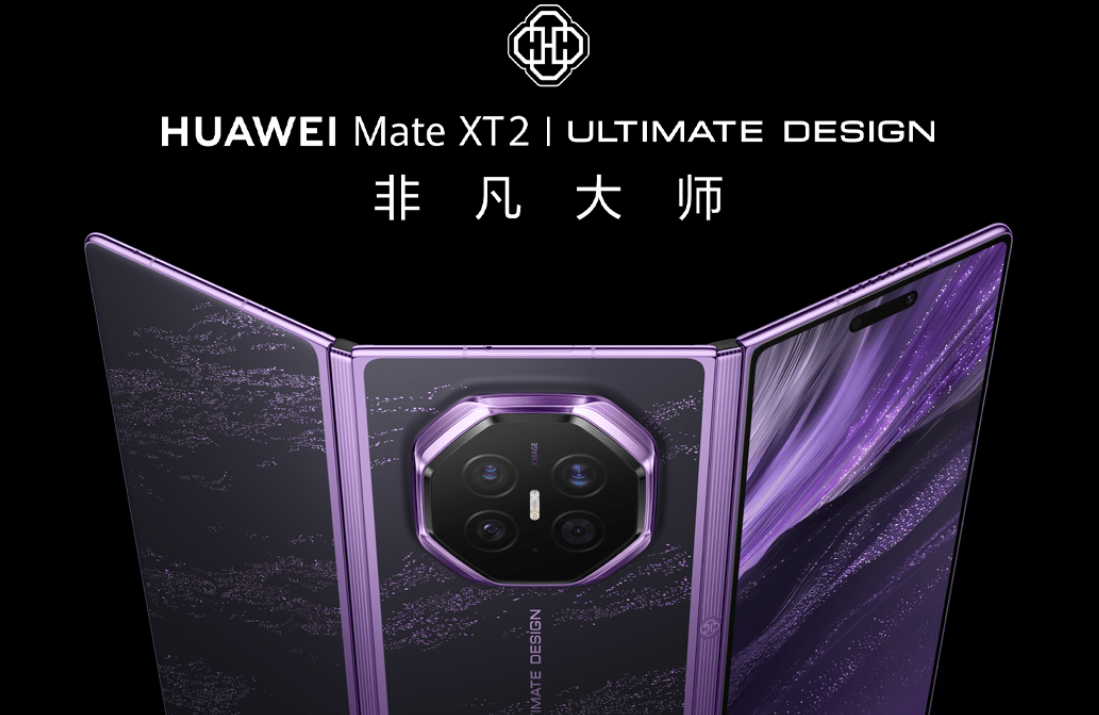
There’s no telephoto either, just two rear cameras at flagship money. The crease is rumored under 0.15mm, which sounds fine until you meet Oppo’s Find N6 at roughly 0.05mm. Our running Z Fold 8 Ultra comparison tells the same story. On raw hardware Samsung wins every round that isn’t software polish.
Then there’s the problem nobody can demo on stage. At maybe one percent of the installed base, developers have little reason to optimize for the 7.8-inch canvas. Expect banking apps, YouTube, and social feeds running stretched phone UIs well into next year. Vision Pro owners know that tax.
One wrinkle almost nobody is covering. If the event lands September 8 or 9, Friday pre-orders fall on September 11, the 25th anniversary of the attacks. Apple dodged that collision in 2015 with Saturday pre-orders, and I’d expect the workaround again. The 8th also seems unlikely, since Apple has never held an iPhone event the day after Labor Day.
Rollout plans contradict each other outright. Australian carriers say the foldable skips their market for months. Other sourcing insists it’s global from day one. Both can’t be right.
So who is this actually for? Strip out the hype and the answer is narrow. The consultant or clinician hauling an iPhone plus an iPad mini, for whom $2,199 replaces about $1,800 of hardware and a second data plan. For everyone else it’s a worse camera and weaker biometrics at double the price.
My honest read is that September 9 turns Apple’s biggest consumer ritual into a luxury showcase, with mainstream buyers asked to come back in March. If the foldable vanishes in minutes, remember what a sellout proves when supply runs this thin. The question was never whether Apple can build a folding iPhone. It’s whether the fall event still needs ordinary customers in the room.