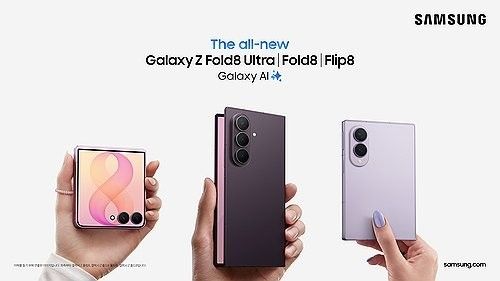
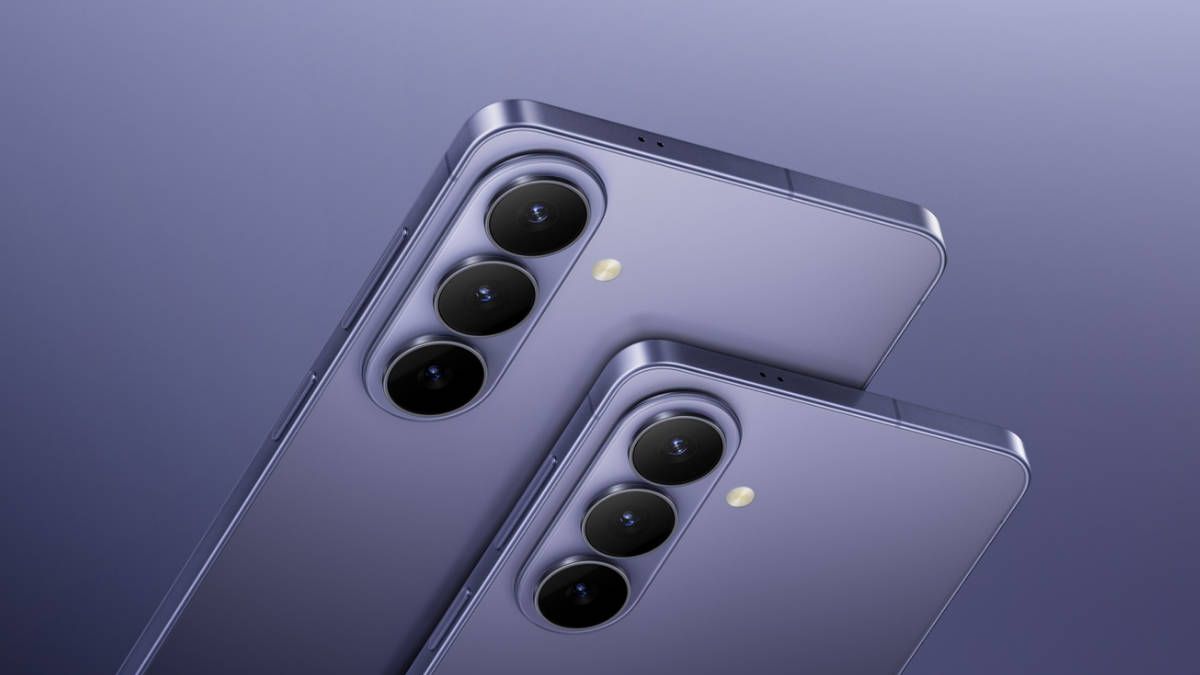
Samsung didn’t hold back in London. On July 22, the company unveiled not one but two book-style foldables: the wider, shorter Z Fold 8 and the premium Z Fold 8 Ultra. By August 7, both were in stores, with the Ultra commanding roughly $2,100 for a 200MP main camera, a 5,000mAh battery, and a profile that unfolds to just over 4mm. On paper, it’s the most polished foldable Samsung has ever shipped. After spending the last week watching early adopters unbox their units, stress-test the hinges, and complain about Instagram layouts, I’m convinced that Samsung just built the perfect Trojan horse for Apple.
The hardware improvements are undeniable. Early buyers report flat unfolding, noticeably better battery life than the Fold 7, and stronger cellular reception. The Ultra’s 8-inch inner panel and 6.5-inch cover screen feel properly flagship. Even the crease, that persistent foldable scar, has been minimized to the point where some users call it invisible in daily use. But dig into the Reddit threads from this week and the story gets more honest. One week of real-world opening and closing has already produced “crease-free” reality checks. The line is still there. It’s just harder to find under studio lighting.
Then there’s the shape. Samsung’s decision to offer a distinct wide, “passport-style” Fold 8 alongside the taller Ultra is arguably the boldest move of the launch. I’ve been tracking the split reactions since pre-orders went live. Some owners love the stubby closed profile for one-handed use. Others find it awkward when it’s open, especially with the split-screen keyboard floating in the middle of an 8-inch canvas. The productivity potential is real, but the ergonomics are polarizing. We broke down the practical differences between the two models in our Fold 8 Ultra vs. wide Fold comparison, and the gap is wider than the spec sheet suggests.
The App Gap Is the Real Story
Hardware was never going to be the hard part. The real frustration is software. Within days of launch, owners flooded threads with the same complaint: X, Instagram, and TikTok don’t know what to do with the new aspect ratios. Lag, poor layouts, and outright crashes are common. Even flagship apps feel like stretched phone apps rather than tablet experiences. One user noted that the device “makes me even more excited for the Apple foldable,” and that sentiment is spreading. When your $2,000+ purchase has buyers counting down to a competitor’s announcement, you’ve got a problem.
Samsung’s multitasking layer is partly to blame. App resizing remains finicky, and the split keyboard layout on the wide model frustrates anyone trying to write more than a quick reply. It’s the same story we’ve seen since the first Fold. The hardware arrives before the ecosystem is ready. Samsung has had years to solve this, yet the friction persists. If you’re buying in for business use, the Ultra’s raw power is there, but the daily workflow still requires too much patience. Our full Z Fold 8 and Flip 8 analysis covers why the hardware upgrades outpace the software polish.
Why September Changes Everything
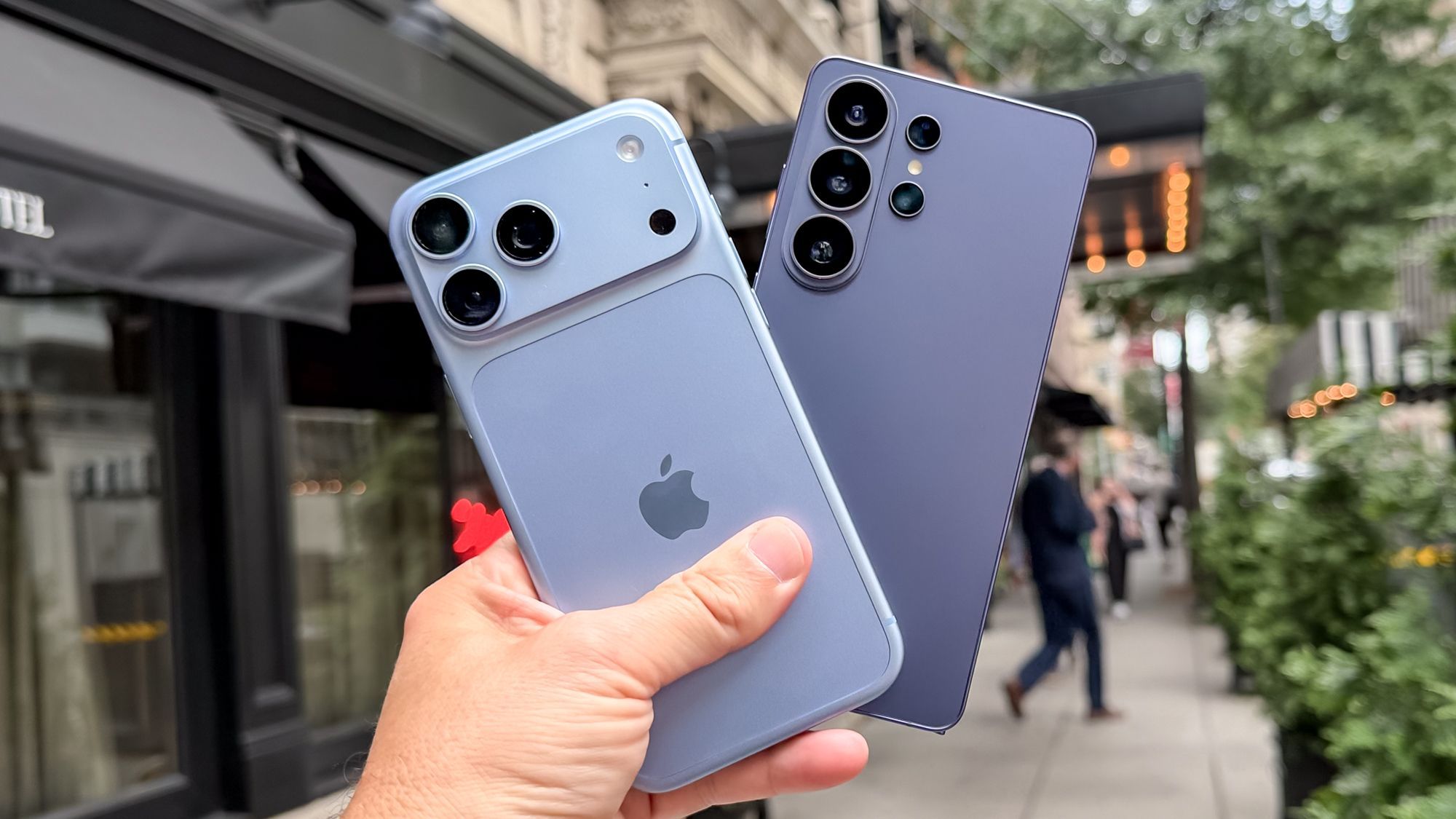
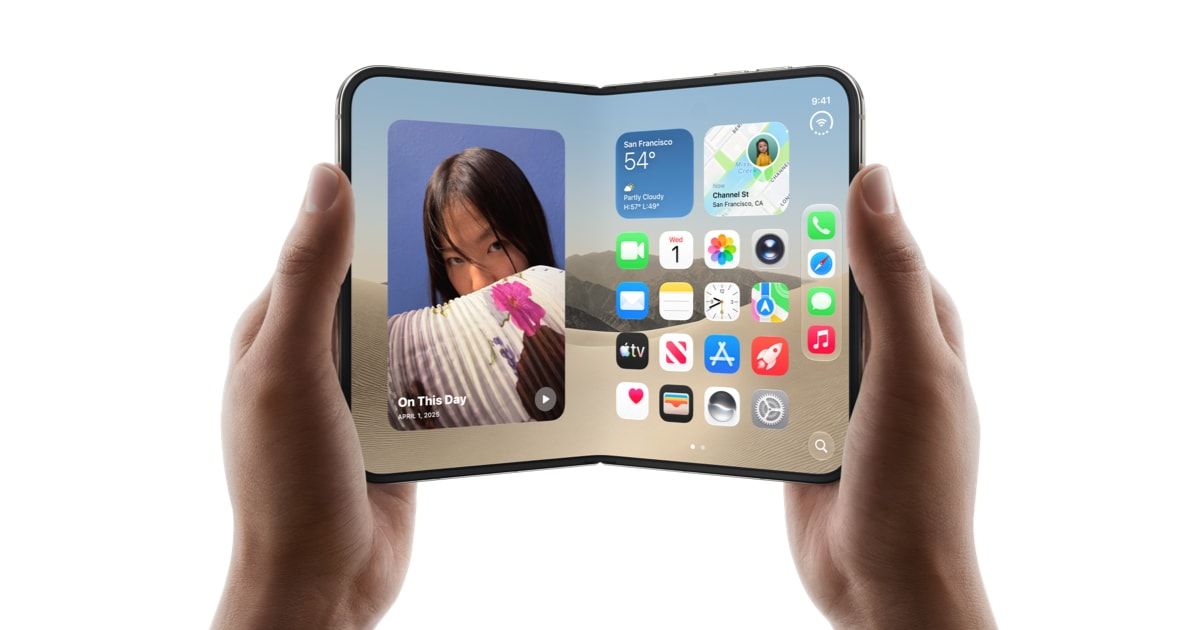
All of this lands exactly one month before Apple is expected to reveal the iPhone 18 series, with the foldable “iPhone Ultra” rumored alongside it. Supply-chain reports and Mark Gurman’s recent assessments keep the timeline on track for a September announcement, despite earlier whispers of a 2027 delay. The device is expected to use a book-style design with a wider unfolded aspect ratio and a crease-free inner display. Whether Apple actually eliminates the crease remains to be seen, but the company doesn’t need perfection on day one. It needs apps that work.
That’s where Apple holds the clearest advantage. Samsung’s foldables have always struggled to convince developers to optimize for irregular screens. Apple’s existing adaptive layout tools and its ability to enforce design guidelines through the App Store could create an optimization flywheel that Samsung has never managed. Developers already build resizable iPad apps. Porting that logic to a foldable iPhone is a smaller leap than rewriting Android apps for yet another Samsung aspect ratio. As 9to5Mac argued this week, Samsung’s current experience shows Apple’s timing couldn’t be better.
Price will matter too. The Z Fold 8 Ultra already sits near $2,100 before cases, chargers, and controllers push the total higher. Apple will likely land in the same bracket, but iPhone buyers have historically proven more willing to stomach premium pricing when the software experience justifies it. Samsung buyers right now are getting flagship hardware with a side of app compatibility anxiety. That isn’t a recipe for loyalty when a polished alternative is weeks away.
I’ve said before that foldables won’t go mainstream on specs alone. They need to disappear into your workflow without asking you to forgive laggy apps or hunt for the crease in bright sunlight. Samsung deserves credit for pushing the form factor forward, and the Z Fold 8 Ultra is genuinely impressive metal and glass. But impressive hardware without software harmony is just an expensive prototype. If Apple steps onto the stage in September with a foldable that simply runs apps the way users expect, Samsung’s August victory might start to feel like a rehearsal.