Google’s August 2026 Pixel update started rolling out on August 4, and two weeks later the narrative is impossible to miss. This isn’t a broad monthly maintenance drop for the whole fleet. It’s a targeted repair kit for the Pixel 10 series, bundled with an August 5 security patch and marketed as business as usual. If you’re holding a Pixel 8 or Pixel 9, you’re essentially paying for a flagship and receiving a digital keep out sign.
The Pixel 10 Cleanup Job
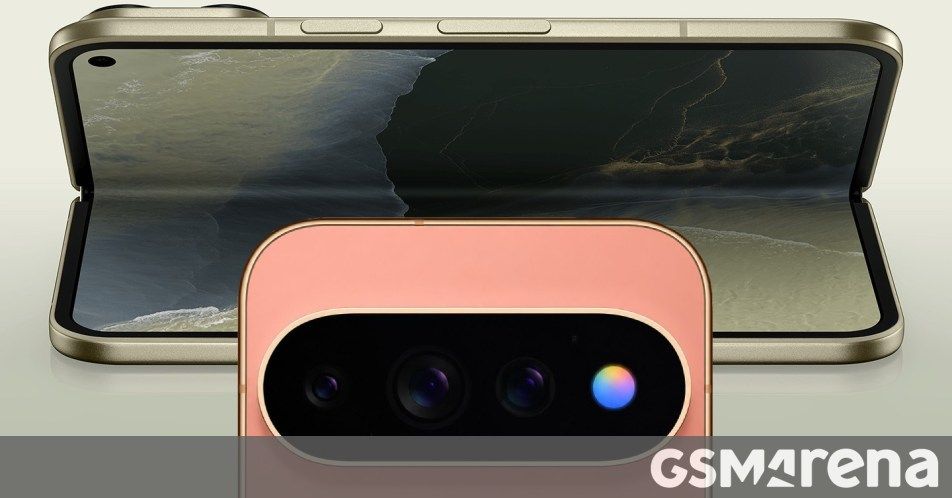
The update arrives as build CP2A.260805.005 globally, with carrier variants like the Rogers-specific .A1 build trailing on their own schedules. Google’s official changelog is lean to the point of being skeletal. It lists exactly three functional fixes, and all three are gated behind the Pixel 10, Pixel 10 Pro, Pixel 10 Pro XL, Pixel 10 Pro Fold, and even the mid-range Pixel 10a. Gaming app crashes under specific loads? Fixed, but only for those models. GPU performance improvements in certain conditions? Pixel 10 only. The touch panel becoming unresponsive in certain scenarios? Again, Pixel 10 series.
For the Pixel 8 and Pixel 9 families, the official notes stop cold at the security patch level dated August 5. No touchscreen tweaks. No gaming stability improvements. No GPU tuning. The security component is robust, and you should install it. But Google frames this split as standard lifecycle support, and it reads like hardware favoritism. We broke down this exact pattern in our August 2026 Pixel update favoritism analysis, and the trend is only getting sharper with every cycle.

What Users Are Actually Seeing
While the changelog stays clean, the user experience doesn’t. I’ve been monitoring community chatter since the rollout began, and the signal is mixed. Pixel 9 owners are reporting a bizarre post-update regression: a green vertical line spiking across their displays during evening or night use, lingering for three to four minutes before disappearing. It isn’t widespread enough to dominate forums, but it’s consistent enough across isolated reports to suggest a display driver regression hiding inside this stability patch. That’s the risk of a phased OTA that hits newer hardware first. Older devices absorb the same system image without any of the promised benefits, and apparently some of the downsides.
Then there’s the touchscreen saga. Pixel 10 buyers have fought responsiveness issues since the Android 17 launch. This update marks another attempt to fix basic input behavior on a thousand-dollar phone. I’ve noticed users tying pre-update gaming stutters in titles like Clash Royale directly to Tensor G6 GPU driver problems. Google is finally addressing it, but a flagship needing multiple post-launch patches to nail fundamentals like touch and gaming stability raises uncomfortable questions about validation timelines. When your 2026 flagship still stutters during a mobile game launch, the problem isn’t the game.
The phased rollout isn’t helping morale. Users on locked carriers are staring at empty update screens with no way to force the OTA. That silence, combined with Google’s near-total omission of older hardware from the functional fixes, has left Pixel 8 and Pixel 9 owners in a familiar holding pattern. They’re current enough to receive security support, yet old enough to be invisible.
By August 18, the dust has settled enough to see the full picture. Google used this month’s cycle to quietly mop up Pixel 10 integration debt without admitting anything was broken at launch. Older Pixel users got their security stamps and little else. If Google wants to justify the rising Pixel 11 prices we’re already hearing about, this tiered support approach needs to end. A monthly patch should mean monthly improvements for every device still inside the update window. Right now, it looks less like software maintenance and more like a subscription to someone else’s bug fixes.