Google’s new Pixel 11 Pro Fold is the kind of device that makes you want to believe in foldables again. It’s thinner, lighter, and finally carries an IP68 rating. The cover screen is wider in a way that actually changes how you thumb-type one-handed, and the inner panel pushes 3600 nits of brightness, which is borderline excessive in the best way possible. But after spending the week digging through what actually shipped versus what was promised, the real story isn’t the hinge or the new Pine colorway. It’s the widening gap between the hardware in your pocket and the intelligence Google will let you access.
Let me cut to the friction first. The Pixel 11 Pro Fold arrives November 11, nearly three months after the slab models ship on August 20. That gap is annoying, but the $1,899 price tag stings more when you realize some of the most hyped capabilities are US-only at launch. Gemini Intelligence, the proactive agent that can book rides or place grocery orders over the phone with live transcripts, simply doesn’t exist for international buyers. I’ve seen the same hardware SKU listed in regions where those features are silently stripped out, leaving buyers with an expensive folding phone that pretends it’s just as smart but can’t actually do the multi-step tasks Google demoed on stage.
This isn’t a small footnote. It’s a structural problem. When you sell a device globally but lock its defining AI behind American carrier partnerships and English-language call agents, you turn a flagship into a regional experiment. I’ve watched this play out in real time across community threads. Users outside the US are already calling the Pro Fold a “minor update” because the hardware gains, while real, are incremental. The Tensor G6 is 20 percent more power efficient and loads apps 15 percent faster, but the display PPI is actually slightly lower than last year. You only feel the upgrade when the AI is doing the work, and for millions of buyers, that layer is missing.
The Real Headline Is Accessibility
While the marketing machine fixates on agentic booking and Magic Capture, the most meaningful addition might be sign-to-text. Google built this with the Deaf community, not just for them, and the official Pixel 11 Pro Fold announcement quietly buries it beneath flashier AI demos. It lives inside Live Transcribe and Gboard on that large inner screen, turning ASL into typed text natively. On a device with this much real estate, that isn’t a gimmick. It’s a genuine shift in how a smartphone can function as a communication tool. I haven’t seen this get the attention it deserves in mainstream coverage, probably because it doesn’t generate the same buzz as an AI ordering your Uber.

Then there’s HiLight, the color-coded LED ring around the camera bar. Google wants you to place the phone face-down on a table so it can glow for notifications or Gemini responses without turning the screen on. In practice, almost nobody keeps a foldable face-down on a desk. It’s an ambient notification concept that sounds futuristic in a keynote and feels niche in a coffee shop. Still, the idea that the device can signal status without ever lighting a display is clever. It just needs a use case that matches how people actually handle $1,900 hardware.
What Samsung Still Does Better
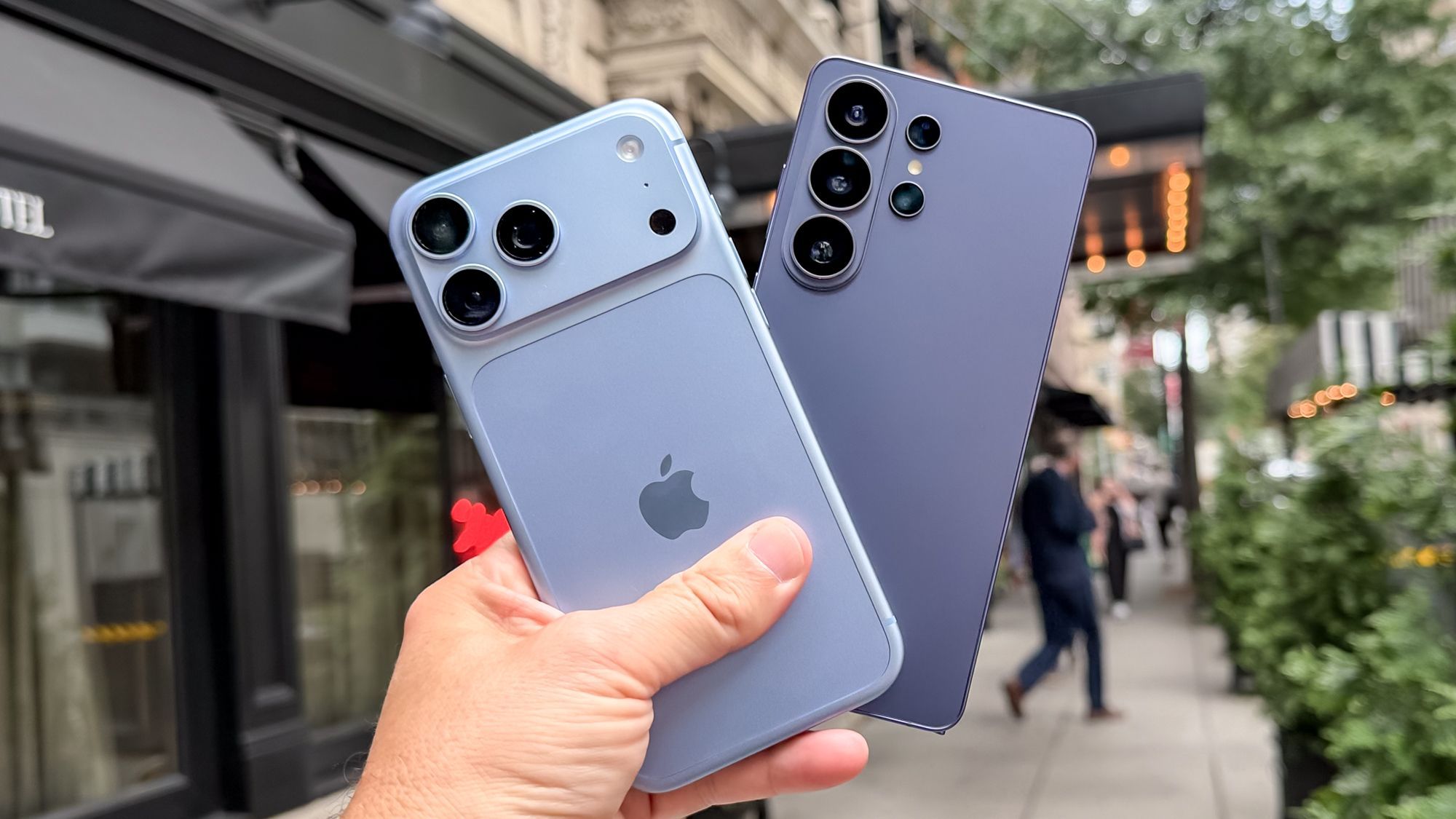
I keep coming back to the direct comparisons with Samsung’s Galaxy Z Fold 8. Samsung still wins on raw thinness, weight, and crease visibility. The Pro Fold’s wider cover screen closes some of the usability gap, but Samsung’s hardware polish remains the benchmark. Where Google pulls ahead is the software ecosystem. Circle to Search now works through the camera viewfinder. Live Translate can dub foreign media in real time. And the Pixelsnap magnetic wireless charging ecosystem gives the Fold a level of accessory flexibility Samsung hasn’t matched.
But the RAM and storage tiers leave me skeptical. Base configurations ship with 12GB of RAM while higher tiers bump to 16GB. On-device LLMs are hungry, and I’m already seeing chatter that the 12GB base will age poorly, forcing more cloud reliance at exactly the moment Google is trying to sell you on local AI. If you’re buying this phone to last three years, the upgrade tax is basically mandatory.
My bottom line is simple. The Pixel 11 Pro Fold is the best foldable Google has ever built. The 3600-nit screen, the IP68 rating, and the sign-to-text integration are genuine leaps. Yet the value proposition cracks apart the moment you step outside the US and lose agentic Gemini. For buyers in South Africa and elsewhere, this is an expensive folding tablet with half a brain, waiting for server-side switches that may never flip.
Google is asking the world to trust that AI will justify the hardware premium. That bet only pays off if the intelligence follows the phone across borders. Until then, the Pixel 11 Pro Fold is two different products depending on your passport: one for Americans who get a pocket concierge, and one for everyone else who gets a very nice screen. I know which side I’d rather be on.