Samsung published its August 2026 Security Maintenance Release on August 4, and most users will treat it like wallpaper. Another month, another patch. But look closer and you’ll see something rare: a phone maker disclosing 56 separate vulnerabilities, including hardware module flaws, before Google even published its own bulletin. This isn’t routine maintenance. It’s a statement about who actually controls the trust layer on your device.
What the Patch Actually Touches
The bulletin covers 38 Google CVEs and 18 Samsung-specific SVEs. Eight of Google’s are critical. On Samsung’s side, two hit high severity. The standout is SVE-2026-1829, an improper access control bug in the Weaver hardware module that can brick a device locally. This isn’t an app permission slip-up. It’s a physical-layer flaw in the trusted execution environment.
Samsung also patched input validation gaps in Galaxy Themes and Samsung Contacts that let attackers delete files. Out-of-bounds issues in VC1 and MPEG4 media codecs buried in libsavsvc.so made the list too. These aren’t headline grabbers, but they sit deep in the media stack where malicious files love to hide.
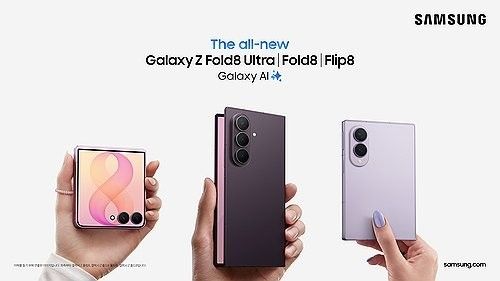
I noticed users already hunting the ~369MB file on Galaxy S26 series devices. Others with carrier-locked A-series phones know they’ll be waiting weeks. Samsung’s staged rollout hasn’t changed, but the gap between flagship and mid-tier delivery feels more obvious when the patch list is this dense. Current flagships like the Galaxy Z Fold 8 series are first in line, while mid-range buyers eyeing options like the Galaxy F70 Pro face the usual delays.

When Updates Break More Than They Fix
Security patches are supposed to be invisible. I spotted a report from a Galaxy S23 Ultra owner on One UI 8.5 who found their network completely dead after installing the August build. No calls, no data, full radio silence. This is a single documented case, yet it tracks with the modem and cellular radio fixes tucked into this same release. When a patch touches the baseband, the risk of a bad flash goes up.
Samsung also published a revised One UI software rollout roadmap alongside the security details. That’s unusual. Pairing patch transparency with longevity timelines gives buyers a clearer picture of how long their device stays viable. It also quietly pressures competitors who still treat security support as a marketing footnote. If you’re weighing an upgrade, the Galaxy Z Fold 8 Ultra isn’t just a hardware play. It’s a bet on how long Samsung keeps publishing lists like this.
The Transparency Gap Nobody Talks About
Here’s what caught my attention. Samsung detailed its specific CVEs and SVEs days ahead of Google’s full Android bulletin. In an ecosystem where most OEMs hide behind vague “stability improvements,” listing out a Weaver hardware flaw and codec vulnerabilities by name is practically radical. It lets enterprise admins and privacy-focused users assess actual risk instead of guessing. Samsung’s official security update portal lays out the full SMR-AUG-2026 scope for anyone who wants to dig.
The community focus remains oddly narrow, though. Users obsess over rollout speed and file size while barely discussing the Themes physical attacker vector or the Contacts privilege escalation. Those moderate-rated SVEs sound boring until you realize they determine whether a malicious NFC tag or a compromised PC can wipe your local backups.
I’m not going to pretend a security bulletin is exciting weekend reading. It isn’t. What matters is that Samsung is treating its patch notes like technical documentation rather than a press release. That shift matters for anyone holding onto a supported Galaxy device, especially when one of those patches stops your phone from becoming a paperweight. If you’re on a supported model, install it. Just maybe wait 48 hours and check the forums first if you’re rocking an S23 Ultra on a carrier-locked build.