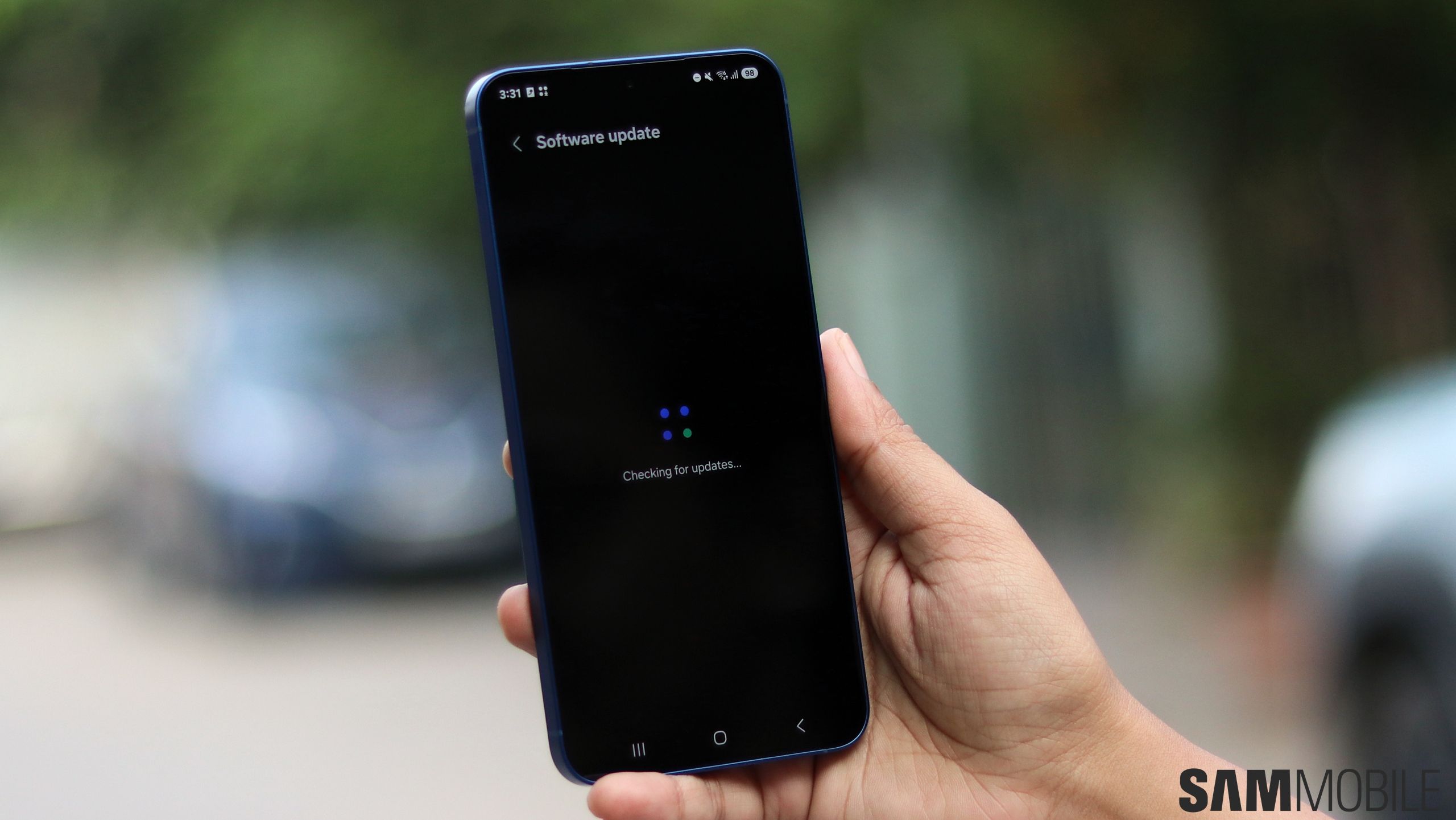
Check your older Galaxy phone or tablet. If it’s running One UI 8.5 or earlier, it probably has a 101 MB Google Play System update waiting in Settings right now. Meanwhile, the brand new Galaxy S26 sitting on my desk, and the Z Fold 8 I tested yesterday, are stuck on May 2026 builds. That inversion, where last year’s devices get Google’s latest code and this year’s flagships don’t, tells you everything about how broken Samsung’s layered update pipeline has become. You shouldn’t need a spreadsheet to know whether your $2000 phone is current.
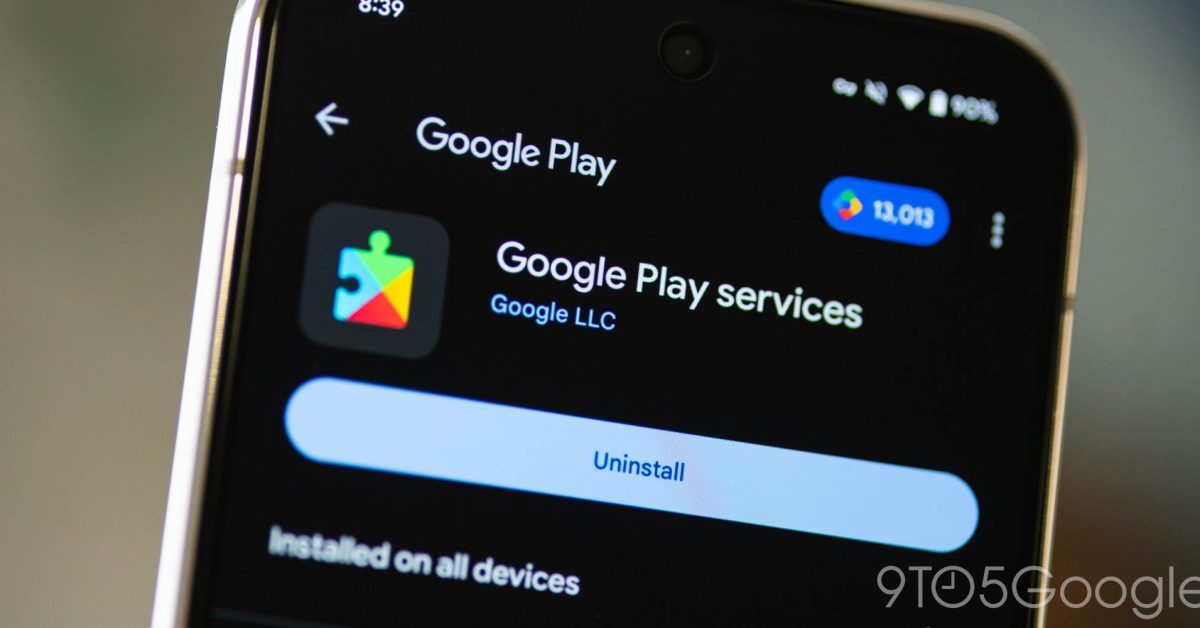
I spent the last week watching update screens across a pile of Galaxy hardware. The pattern is hard to miss. The August 2026 Google Play System package, which Google detailed around August 10, is landing on eligible Samsung phones and tablets through the standard Settings path. It bundles Google Play services v26.31, Play Store v52.7 with those tablet-friendly discovery tweaks, and some Wear OS route accuracy improvements. On paper, it’s a solid maintenance drop. In practice, Samsung won’t tell you what changed per device, so you’re left guessing whether that app install lag you’ve complained about for months is actually fixed or just rebranded.
Here’s where it gets weird. I saw screenshots from users running the S26 series and the Z Fold 8 showing either an 82 MB variant of the August patch or nothing at all. Some beta testers on One UI 9.0 report that Play System updates paused entirely after they enrolled, then resumed with smaller payloads that don’t match the 101 MB build hitting stable devices. Samsung historically passes the buck to Google on delivery timing, but the evidence doesn’t look like a pure Google rollout quirk. It looks like Samsung’s beta channel and new firmware branches are gating Google’s packages in ways Pixels never experience. That isn’t a bug. It’s a structural problem.
The Tablet Angle Nobody’s Talking About
While everyone fixates on phones, the most meaningful part of this update might actually be sitting in Samsung’s tablet lineup. Play Store v52.7 brings UI and discovery refinements specifically built for large screens. That means a Galaxy Tab S10 or Tab S9 on One UI 8.5 could see a genuinely better app browsing experience right now, while the S26 Ultra gets nothing. I noticed this split first hand when my Tab S10+ pulled the August Play System build immediately, but the Z Flip 8 I had on loan still showed May. Samsung sells more Android tablets than anyone, yet coverage of this update treats them like an afterthought. The irony is thick.

The size variance alone raises questions I can’t fully answer. Across my own hardware and what the community is reporting, August payloads range from a trivial 167 KB all the way up to that 101 MB standard package. Regional builds, carrier blobs, and One UI revision differences all play a role, but Samsung doesn’t surface any of that detail. You just tap “check for update” and hope the number that appears makes sense. When it doesn’t, you’re left staring at a progress bar with no idea what it actually fixed.
Why the Rollout Gaps Matter More Than This Single Patch
This isn’t really about one August patch. It’s about the precedent. Reddit threads going back to early 2026 show Galaxy owners stuck on 2025 Play System versions for months, watching Pixels sail past them on Google’s monthly cadence. Samsung can ship its own August 2026 security patch with 56 CVE fixes on schedule, as we covered earlier this month, yet the underlying Google Play layer rots underneath. That’s a transparency problem. You shouldn’t need to dig into Software information menus to discover your $2000 foldable is running a six-month-old system module while a mid-range A54 is current.
The Galaxy Watch connection is another detail buried in the noise. If your phone finally grabs this August update, the Wear OS workout route accuracy improvements bundled from Google could trickle down to paired Galaxy Watch 7 or Watch Ultra units. That’s a genuine cross-device benefit that never shows up in Samsung’s barebones changelog. But again, only if your phone actually received the update. When the phone side of the pipeline breaks, the watch suffers in silence.
I also can’t shake the beta penalty. Power users who enrolled in One UI 9.0 to test new features are effectively punished on the Google Play side, getting paused or truncated system updates that stable users don’t see. If Samsung wants enthusiasts testing its latest software, it needs to stop making Google’s core modules collateral damage in firmware transitions. Google’s own Pixel update structure doesn’t create these cliffs, which is why that ecosystem feels faster even when the hardware is older. The gap isn’t just technical. It’s strategic.
Samsung has built the most popular Android ecosystem on the planet by selling cutting-edge hardware. But popularity doesn’t excuse the coordination friction that leaves its newest flagships chasing last year’s models on the basics. If you own a Galaxy from 2025 or earlier, tap through to that Play System menu right now and take the win. And if you’re rocking an S26 or Z Fold 8, keep checking. You’ll get there eventually. Probably. Just don’t hold your breath while Google sorts out which Samsung devices are allowed to play.