August 2026 will be remembered as the month smartphone makers stopped pretending they were chasing the same customer. Google unveiled the Pixel 11 series in New York on August 12 with Trevor Noah on stage and a base price of $899. There’s no 128GB model. There’s no cheap way in. Vivo resurrected its S-series in India on August 6 after seven years of silence, pitching curved AMOLED glass and a 7,050mAh battery to buyers who care more about weekend endurance than benchmark scores. And POCO, never one for subtlety, dropped the M8 Power 5G on August 4 with an 8,000mAh cell that feels more power bank than phone, as confirmed ahead of the launch. All three landed within ten days of one another, turning mid-August into a Rorschach test for what people actually want from the rectangle in their pocket. These devices share almost nothing except a release window, and that’s exactly the point. The universal flagship is dead. Long live the niche.
Google’s $899 Floor and the End of the Budget Flagship
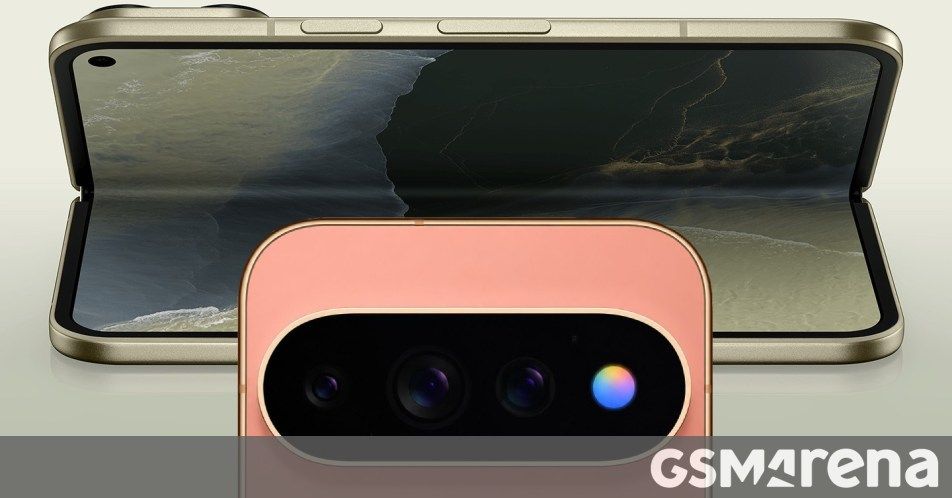
Google didn’t just raise prices with the Pixel 11. It erased the floor. The base model starts at $899 for 256GB, and the Pro Fold pushes toward $1,900. Pre-order bundles include Amazon gift cards and carrier lock-in deals from T-Mobile, but what struck us while scrolling through post-event chatter was the quiet realization among longtime Pixel owners that this is no longer an enthusiast’s bargain. On X, the Geekbench score posts went up within hours, yet the replies weren’t celebrating raw power. They were doing math. Is this worth leaving the Pixel 7 or 8 behind?
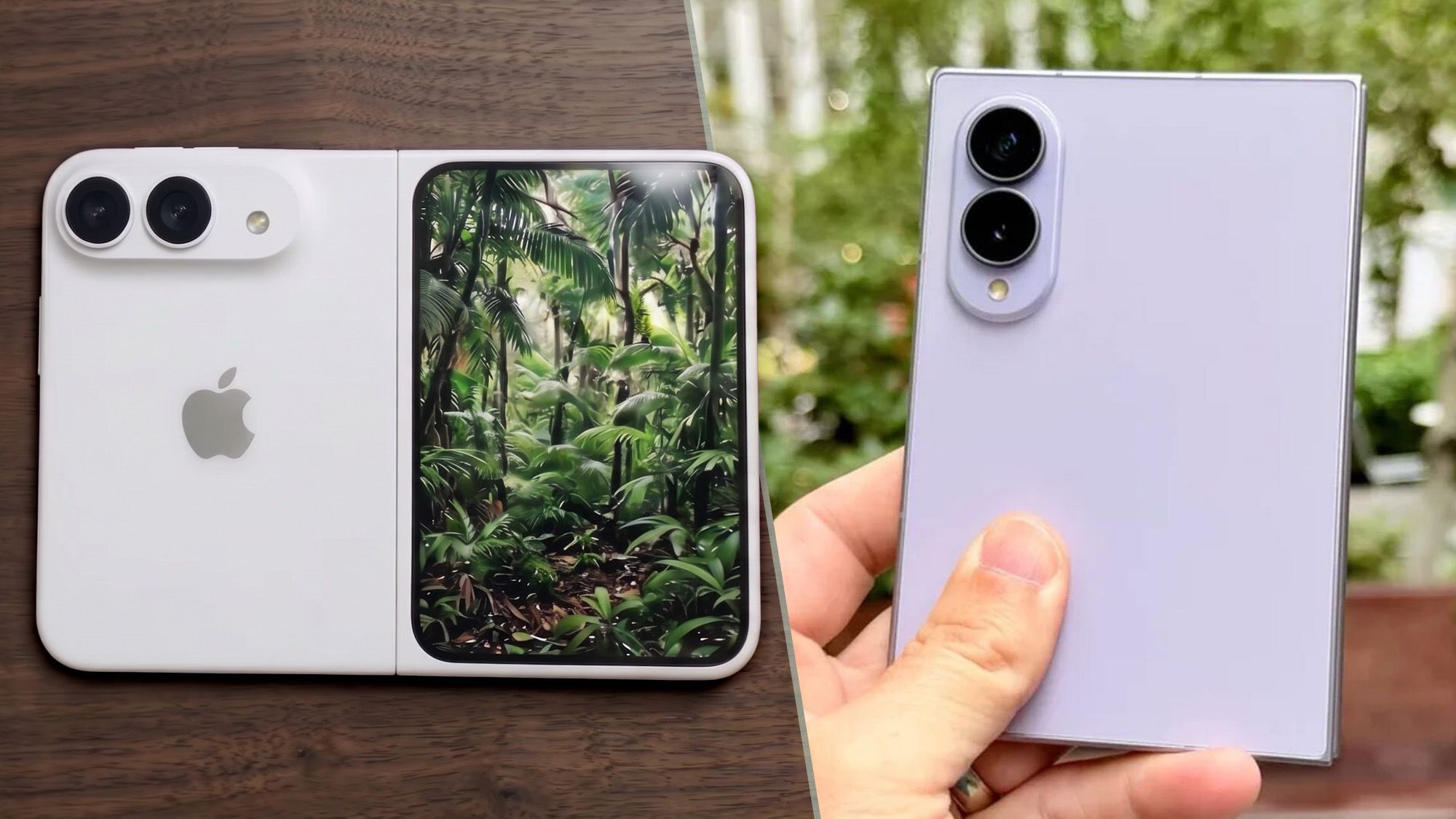
The subtext was clear: Google has repositioned Pixel as a luxury ecosystem play, complete with the Pixel Watch 5 and Pixel Tag, and the hardware is now just the membership card. We broke down that shift in our Pixel 11 ecosystem highlight from the launch floor. We also watched threads fill up with side-by-side shots of the Pro Fold against Samsung’s latest, and the conversation wasn’t about hinge mechanics. It was about whether Google’s AI multitasking tricks are enough to justify the leap from last year’s model. One thread noted the design refinements, but the replies kept circling back to the same question: who is this for if not the already-converted?
We dug into Reddit discussions where users mapped out upgrade paths and found a recurring anxiety. People aren’t worried about Tensor G4 performance. They’re worried about being priced out of the software experience they helped legitimize. The anxiety isn’t just about cost. It’s about whether Google is still building for its day-one fans, a question we touched on in our August Pixel update analysis. The Made by Google event leaned hard into lifestyle marketing with athletes and musicians, signaling that the company wants Pixel to sit next to an iPhone on a coffee table, not under it. That strategy might work in New York. In markets where import taxes and currency weakness already sting, it reads like a surrender.
India’s Battery Wars and the S2’s Comeback
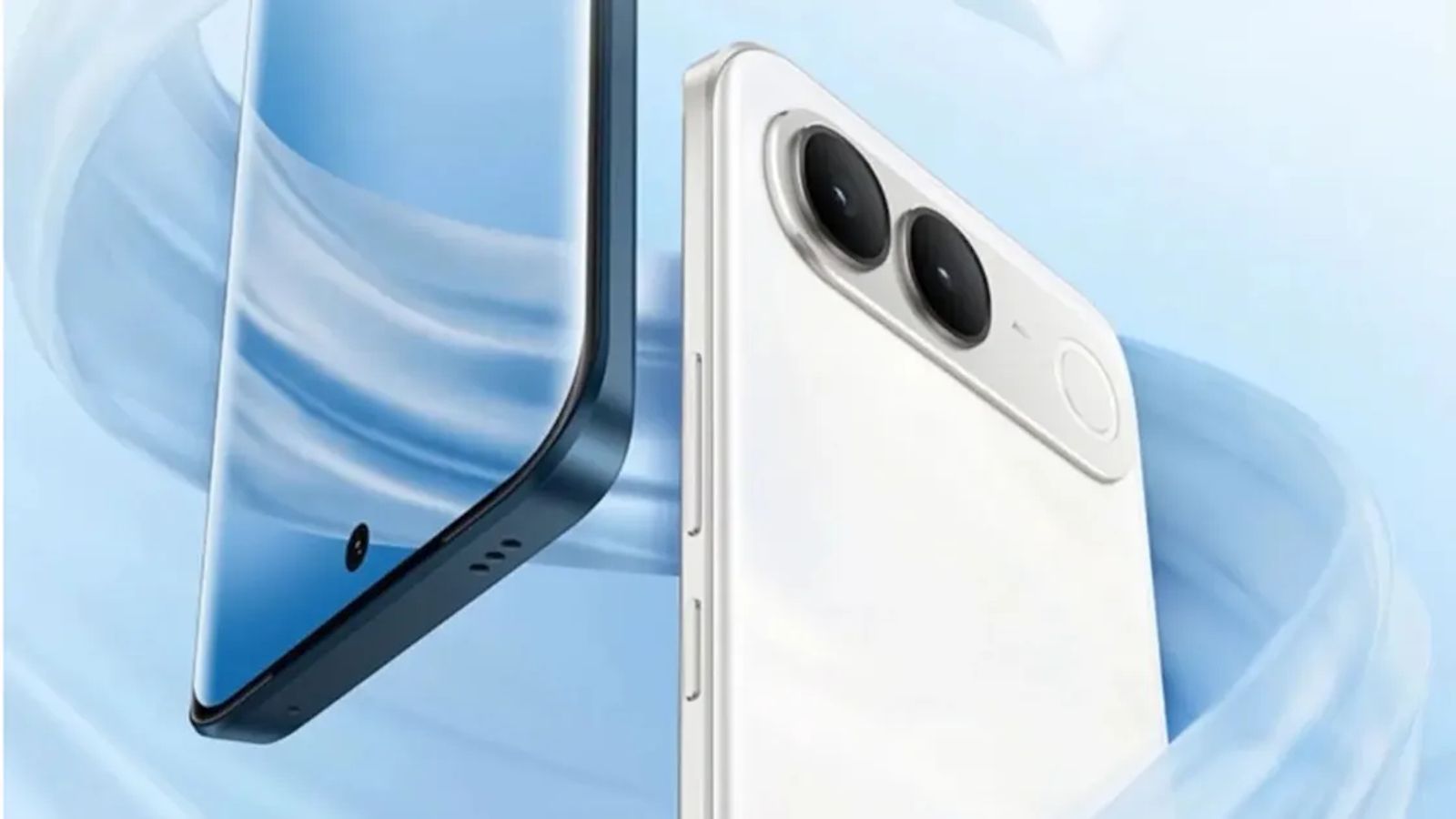
While Google chased the top shelf, Vivo and POCO spent August fighting for a different kind of relevance in India. The upcoming India launch calendar made it obvious that the subcontinent was getting its own parallel wave, one where mah matters more than megapixels. The Vivo S2 landed in first sales on August 11, timed for Independence Day promotions, priced between ₹39,999 and ₹45,999. It is unapologetically a style object. The curved display, the Aura Light selfie system, and the 7,050mAh battery target young buyers who treat their phone as a social accessory first and a computer second.
We noticed regional promo accounts on X framing the S2 as a “new story” rather than a spec sheet, which is a clever admission that this phone cannot win on processor brawn against OnePlus or Samsung in the same bracket. The giveaway campaigns and camera-centric posts we tracked over the weekend weren’t aimed at gearheads. They were aimed at content creators who need a reliable selfie and two days of juice between charges. That’s a demographic mainstream flagships often ignore because it doesn’t look sexy on a spec sheet.
Then there is the POCO M8 Power 5G, which arrived August 4 with that 8,000mAh battery and 45W charging. It is the kind of device that makes reviewers shrug and power users cheer. The trade-offs are exactly what you’d expect: a chipset that won’t break records and a body that feels like a brick. But in a market where reliable electricity still matters more than ray tracing, that compromise is a feature. Xiaomi’s decision to split the M8 series and drop this extreme battery variant months after the main launch shows an understanding of Indian usage patterns that Western flagship makers simply do not have.
What ties these launches together is not innovation. It is specificity. Google wants the premium ecosystem buyer. Vivo wants the fashion-conscious content creator. POCO wants the utilitarian who would rather carry weight than a charger. None of these phones are trying to be good at everything, and that honesty is refreshing in an industry that spent a decade promising one device to rule them all.
We’re entering an era where your phone says less about how much you spent and more about what you prioritize. The Pixel 11 asks whether you value Google’s AI enough to pay luxury prices for it. The Vivo S2 asks whether you want a phone that looks good in your hand for two days straight. The POCO M8 Power asks whether you even care what it looks like as long as it survives the weekend. There’s no wrong answer. But there are no more easy answers either, and that’s what makes this August wave genuinely interesting. The spec race is over. The identity race has just begun.