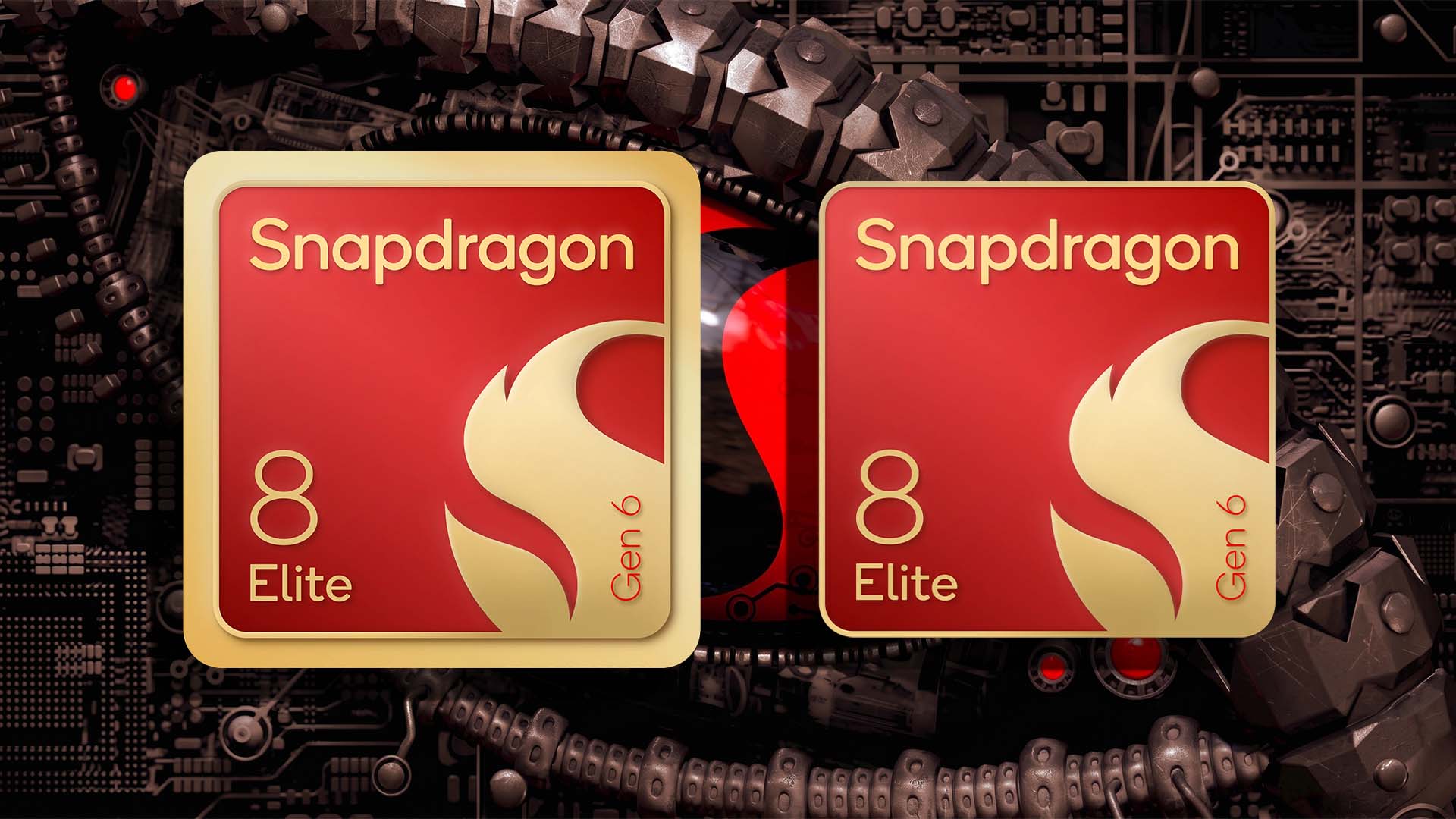
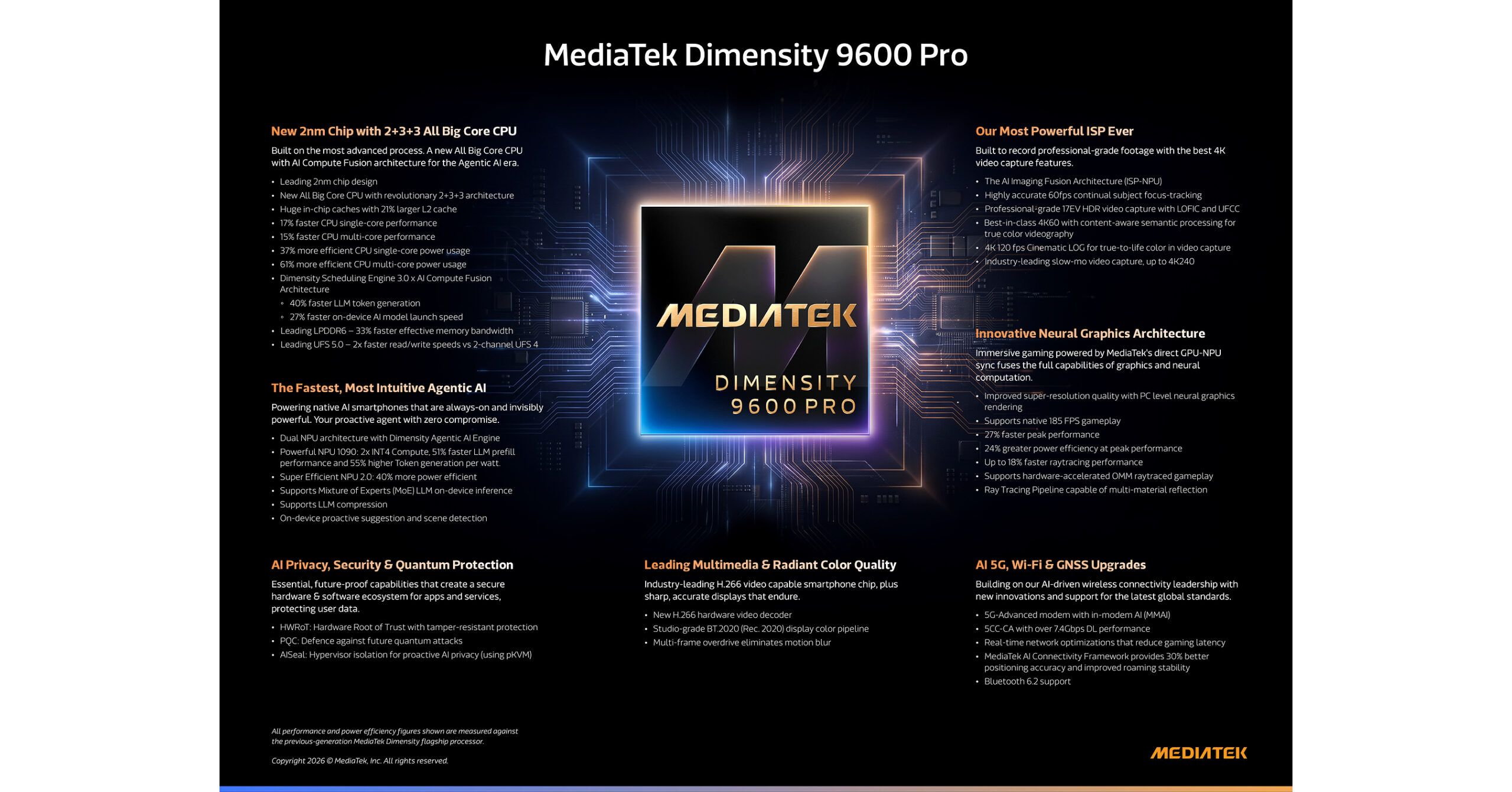
Motorola picked a loud stage for its loudest phone. The Signature 27 broke cover at Qualcomm’s Snapdragon Summit on Monday as the first device carrying the Snapdragon 8 Elite Extreme Gen 6, a 2nm chip built for exactly this kind of halo product. More interesting to me is where it’s headed: the United States, in November, for the first time in the Signature line’s history. I’ve watched Motorola flirt with the ultra-premium tier for years without committing. This is the first attempt that looks serious, and also the one I’d be most nervous about buying on day one.
What Motorola actually built
The spec sheet reads like Motorola raided every division’s wish list. You get a 6.8-inch LTPO AMOLED at 165Hz with Dolby Vision and HDR10+, a big 1/1.28-inch 50MP Sony LYTIA 910 main sensor, a 200MP periscope with 5x optical zoom, and a 50MP ultrawide. Storage tops out at 1TB of UFS 4.1 with 16GB of RAM, charging runs 90W wired and 50W wireless, and the fingerprint reader is ultrasonic. Durability gets double coverage with IP68 and IP69 ratings plus MIL-STD-810H.
Two details stand out because nobody expected them from Motorola. Bang & Olufsen tuned the stereo speakers, the company’s first such partnership, and Motorola’s official announcement frames it as multi-year rather than a one-off logo slap. Then there’s ArcticMesh, the cooling system: a 40% larger 3D vapor chamber, diamond-infused gel, liquid metal, and copper mesh inside a slim frame. Read that list twice. When a phone maker stuffs liquid metal and diamond paste into a chassis, it’s quietly admitting the chip inside runs hot.
If Qualcomm’s claims hold, the Extreme Gen 6 could be the biggest single-generation jump since the record Xbox Series X/S launch, and Motorola gets first dibs. Gemini is baked in too, with Omni video generation, Lyria music tools, and a Video Enhancement Engine that tunes color and exposure in real time. Whether any of that matters in daily use is another question.
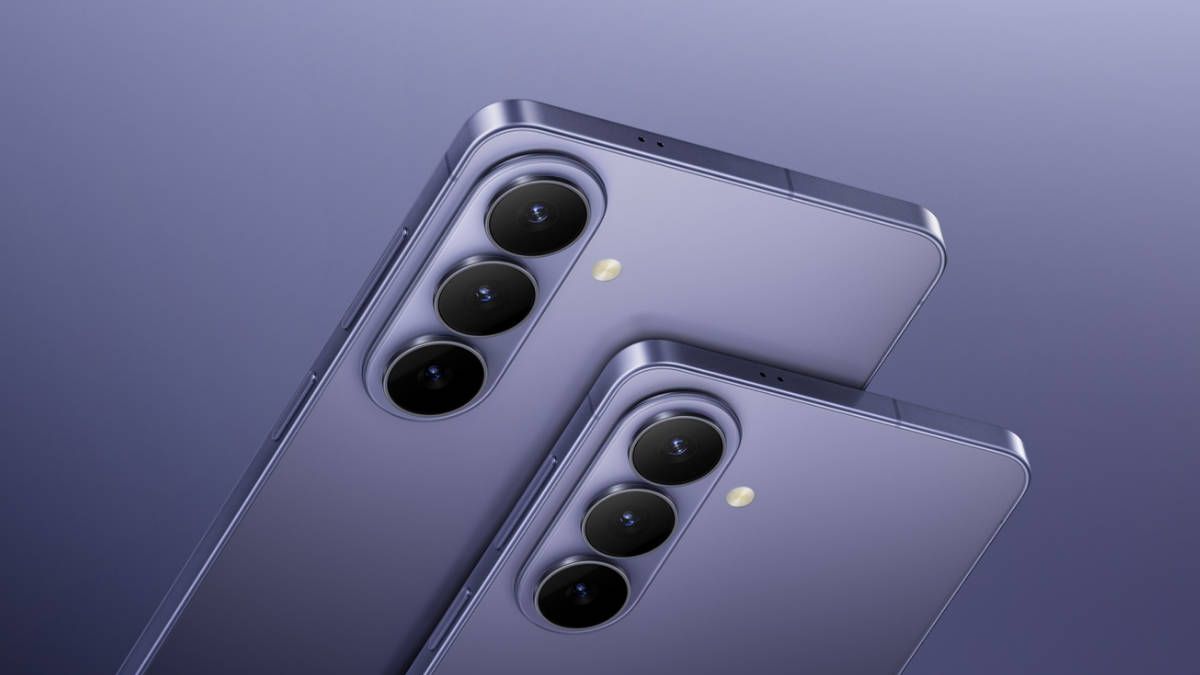
The design will dominate the takes, so let’s deal with it. The camera module is an asymmetric U-shaped cutout with individual lens openings, which people either call eccentric or clumsy depending on how much they miss the old Moto X. I lean eccentric. The Pantone finishes, Coal Smoke Tactical Weave and Capulet Olive, have a textured, automotive-inspired character no Galaxy or Pixel will copy. Even the name is strategy: 27 points at the coming year, signaling an annual cadence instead of one halo phone and silence.

The promise Motorola hasn’t kept yet
Here’s what I kept circling back to while going through owner threads since Monday. The original Signature shipped with the same seven-year support promise, and months later owners report it’s still sitting on January 2026 security patches and Android 16. That’s checkable in a settings menu, not forum folklore. Motorola is now asking people to commit to seven years on a phone whose predecessor couldn’t get a patch out on time in year one. The update story is starting to feel like Generations: The Legacy, a saga that keeps promising a resolution nobody believes anymore.
The same threads are full of smaller warnings from daily use: 165Hz that doesn’t always engage, thermal throttling during gaming in the thin body, Bluetooth volume and DAC quirks, radios that hunt for signal. None of these is a dealbreaker alone. Together they sketch a company that builds excellent hardware and then loses interest.
Which is why ArcticMesh reads less like a feature and more like an apology. The prior Signature ran hot under load, and squeezing an even hungrier Extreme chip into a slim frame was always going to demand this level of engineering. I respect the honesty of the solution. I just don’t know if it works yet, because nobody outside Motorola has lived with this phone for a month.
The buzz actually started the day before the Summit, when this teaser landed and the renders did the rounds:
Reaction since Monday has been louder than I expected for a Motorola launch. US availability alone moved the needle more than any spec, with people openly weighing it against Galaxy and OnePlus. The GrapheneOS crowd is watching too, since the previous Signature became a reference device for custom ROM work. Small audience, but it’s the one that keeps a phone alive in year four.
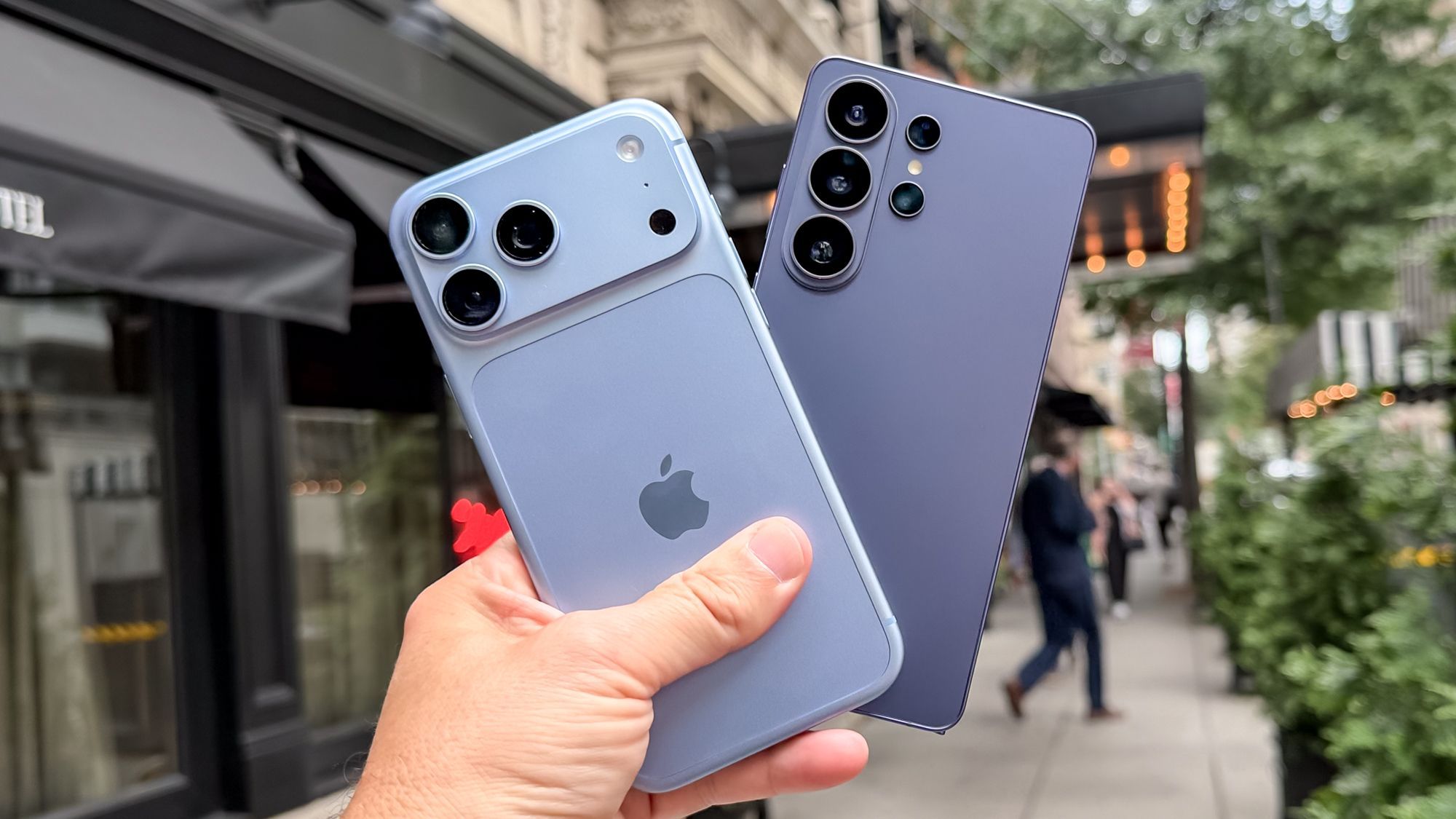
Plenty is still unknown, and it matters. There’s no pricing, and guesses run from $899 to well past $1,300, which is the gap between a value play and a direct iPhone fight. Carrier partnerships for the US launch are unconfirmed, and shelf space has always decided Motorola’s fate in America. Even the camera array has an unconfirmed fourth lens floating around in renders.
My conclusion after two days of digging: the Signature 27 is the first Motorola in a decade I could picture on a carrier shelf next to a Galaxy S without looking like the budget option. The chip, the cameras, the B&O audio, and the strange design all earn attention. Hardware was never Motorola’s problem, though. Patience was. If the seven-year promise turns out to be marketing copy instead of an obligation, this becomes the most beautiful abandoned phone of 2027. Watch the first patch cycle in November, not the launch event. That’s where Motorola tells you who it actually is.