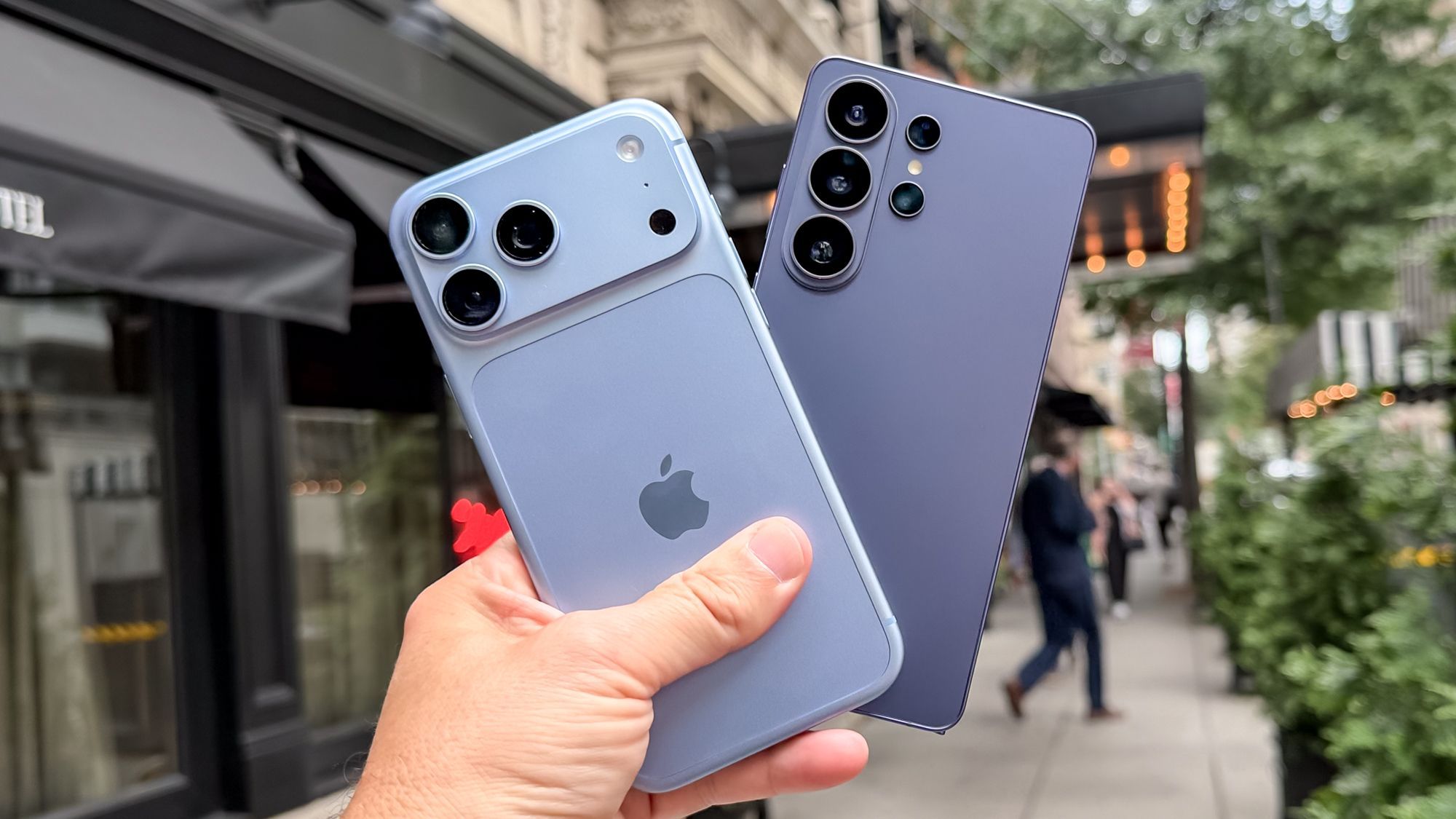
Two weeks, two flagships, one charger between them. After running the iPhone 18 Pro Max and the Galaxy S26 Ultra through the same battery loop and shooting a few hundred side-by-side frames, I can say Apple finally won the argument that has haunted it for a decade. I can also say the win is thinner than the headline number suggests, and the new variable aperture sitting behind those lenses is the riskiest thing Apple has shipped in years.
Apple finally won the battery fight, sort of
My test loop is the standard one, web browsing over 5G with the screen held at 150 nits. The Pro Max averaged 18:27 across my runs. The S26 Ultra managed 16:40. That’s a gap of nearly two hours, and it’s the first time in years an iPhone has beaten a Samsung flagship this clearly on endurance. The smaller iPhone 18 Pro is where it gets awkward, landing at 16:17, which actually trails the Samsung by about 23 minutes.
Apple rates the eSIM-only US model at up to 36 hours of video playback, and that’s not a footnote, it’s the whole story. The US Pro Max carries roughly 5,567 mAh. Versions with a physical SIM tray, the ones most of the world actually buys, including here in South Africa, pack smaller cells. So the “iPhone wins battery” headline is partly a regional accident. Buy a dual-SIM variant and expect the gap to shrink.
Longevity cuts the other way. EPREL filings put the 18 Pro series at 1,000 cycles to 80% capacity, while Samsung rates the S26 series at 1,200. Charging splits the difference. The iPhone hits about 50% in 15 minutes on a 60W adapter, but Samsung still tops up faster overall.
And the reaction since launch has been best described as whelmed. In the threads I’ve followed since the September event, the mood is that 30 to 60 minutes over last year’s Pro models doesn’t justify the hype, even as Pro Max owners report genuine day-and-a-half stretches on light use. The inconsistency people keep flagging is 5G drain. I saw the same thing, same phone, same settings, different tower, wildly different end-of-day numbers.
The camera fight is a stalemate, and that’s the point

Side by side, neither phone runs away with it. The iPhone 18 Pro leans warmer and more vibrant, wins low-light shots and portraits, and still owns video dynamic range. The S26 Ultra, with its 200MP main sensor and dual 3x and 5x telephotos, takes detail, ultrawide, macro, and anything past 10x. Shoot the same scene with both and you’ll often prefer the iPhone. Zoom in and you’ll often prefer the Samsung.
The split I keep seeing in photo threads mirrors my own shots exactly. iPhone people cite natural tones, Samsung people cite crispness, and the recurring complaint about a yellow cast on iPhone shots is fair in mixed indoor light. If you were hoping one phone would settle this, it didn’t. Anyone telling you there’s a clear winner is telling you which phone they already owned.
The aperture is a bet, not a feature
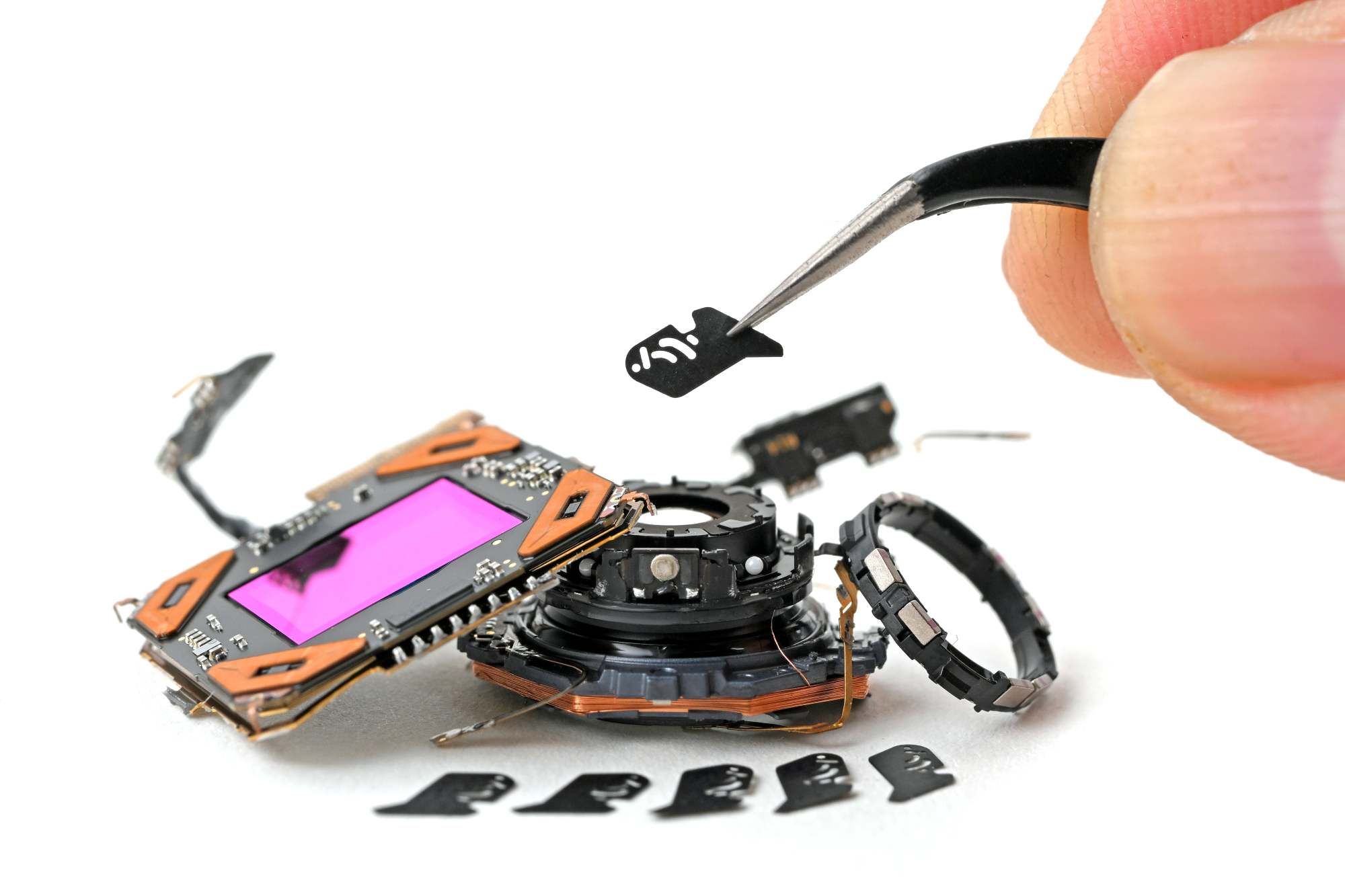
The genuinely new hardware this year is mechanical, a six-blade variable aperture stepping from f/1.48 to f/4.0 on all three 48MP rear sensors. I covered how the aperture handles video when the phone launched. What matters now is what happens when it fails. Getting inside the phone reveals electromagnet-driven polymer blades roughly as thin as a human hair, and no component-level repair. A stuck blade means a full main camera assembly swap, which ran about $249 on last year’s model. The provisional repairability score sits at 7 out of 10, and the plastic display frame cracked on three of the four units opened.
That last detail deserves more attention than it got. If the display frame is that fragile during a routine screen replacement, water resistance after any repair becomes a question mark. Stack it against a battery rated for fewer cycles than the Samsung it just beat, a Pro Max that’s roughly 8% heavier, and the South African price hike on top of the global bump. The skip-upgrade math writes itself for anyone not chasing the aperture.
Apple bought its battery win with efficiency and bigger cells, and bought the camera headline with a mechanism that will eventually need servicing on some share of these phones. Neither is disqualifying. For the first time in a while, though, the more interesting question isn’t which flagship is better. It’s whether a moving part this delicate belongs in a pocket device at all, and whether buyers were ever asked. Watch the repair forums over the next six months. That’s where this story will actually be decided.