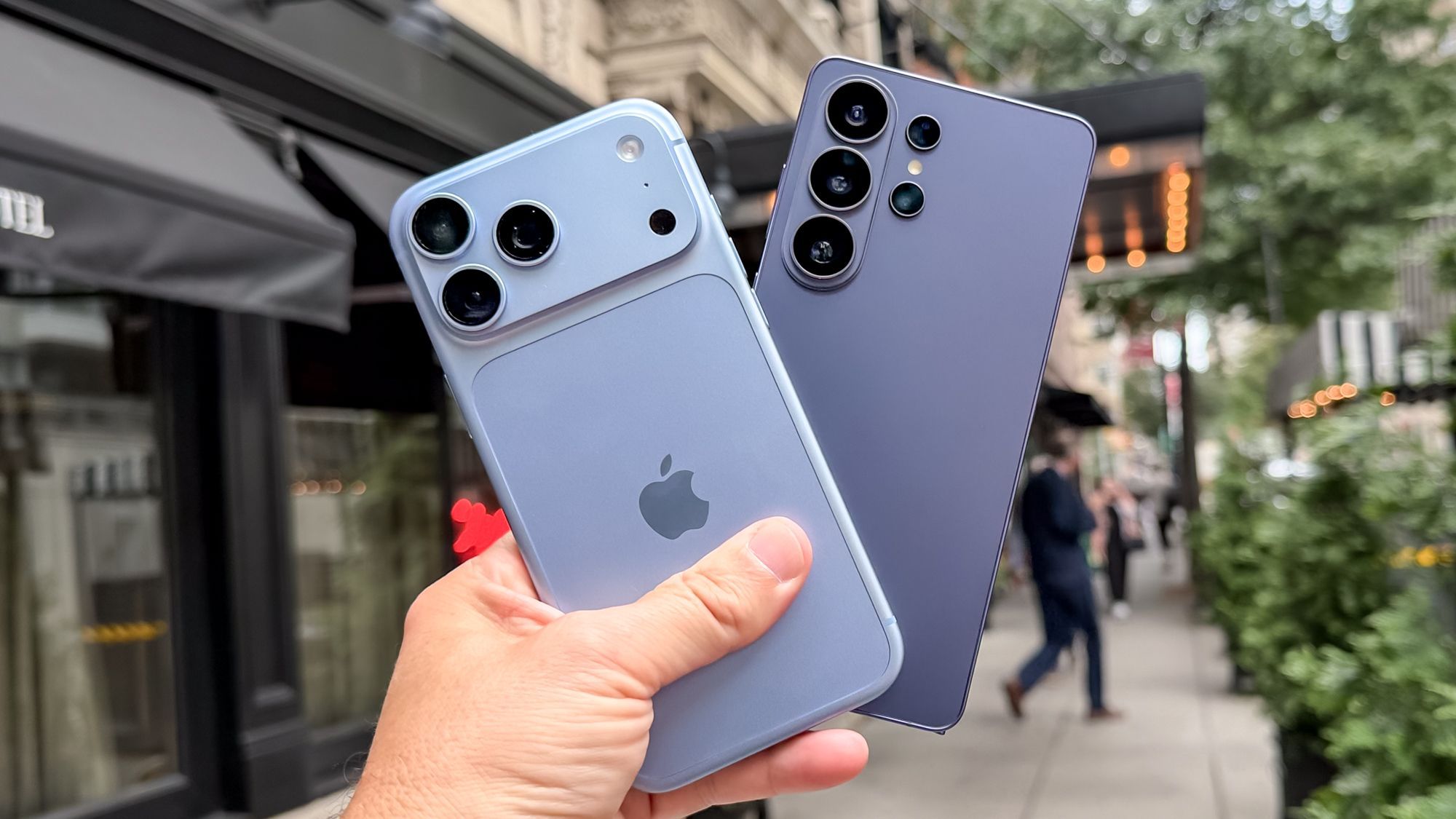
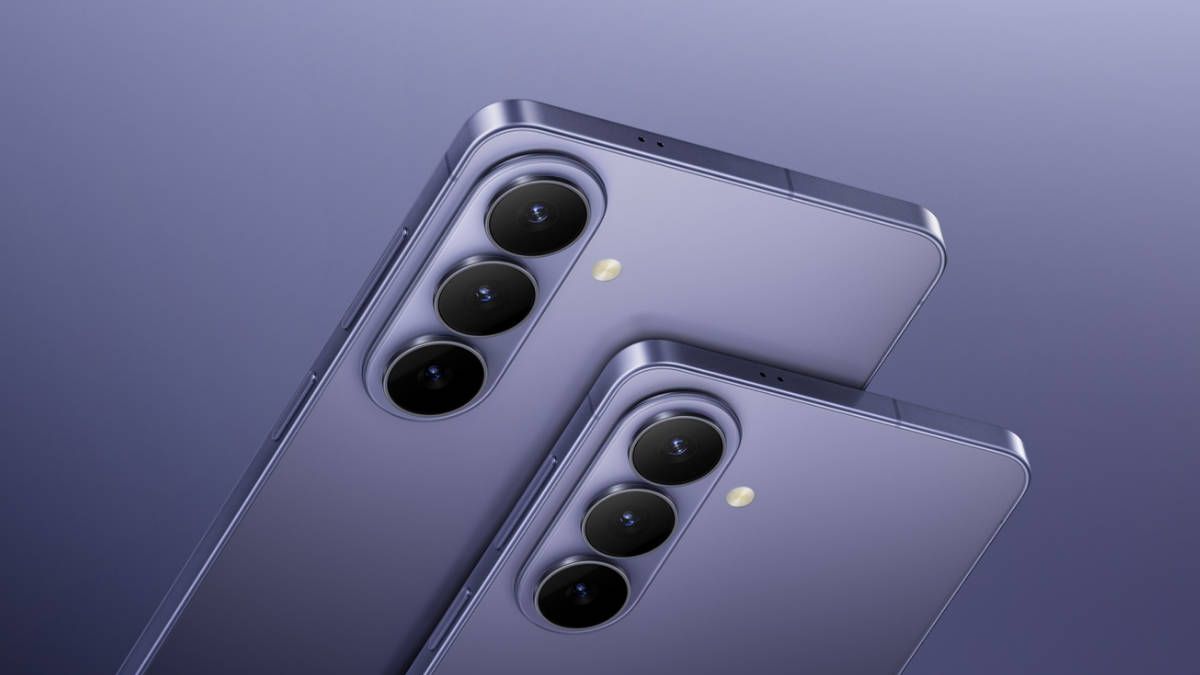
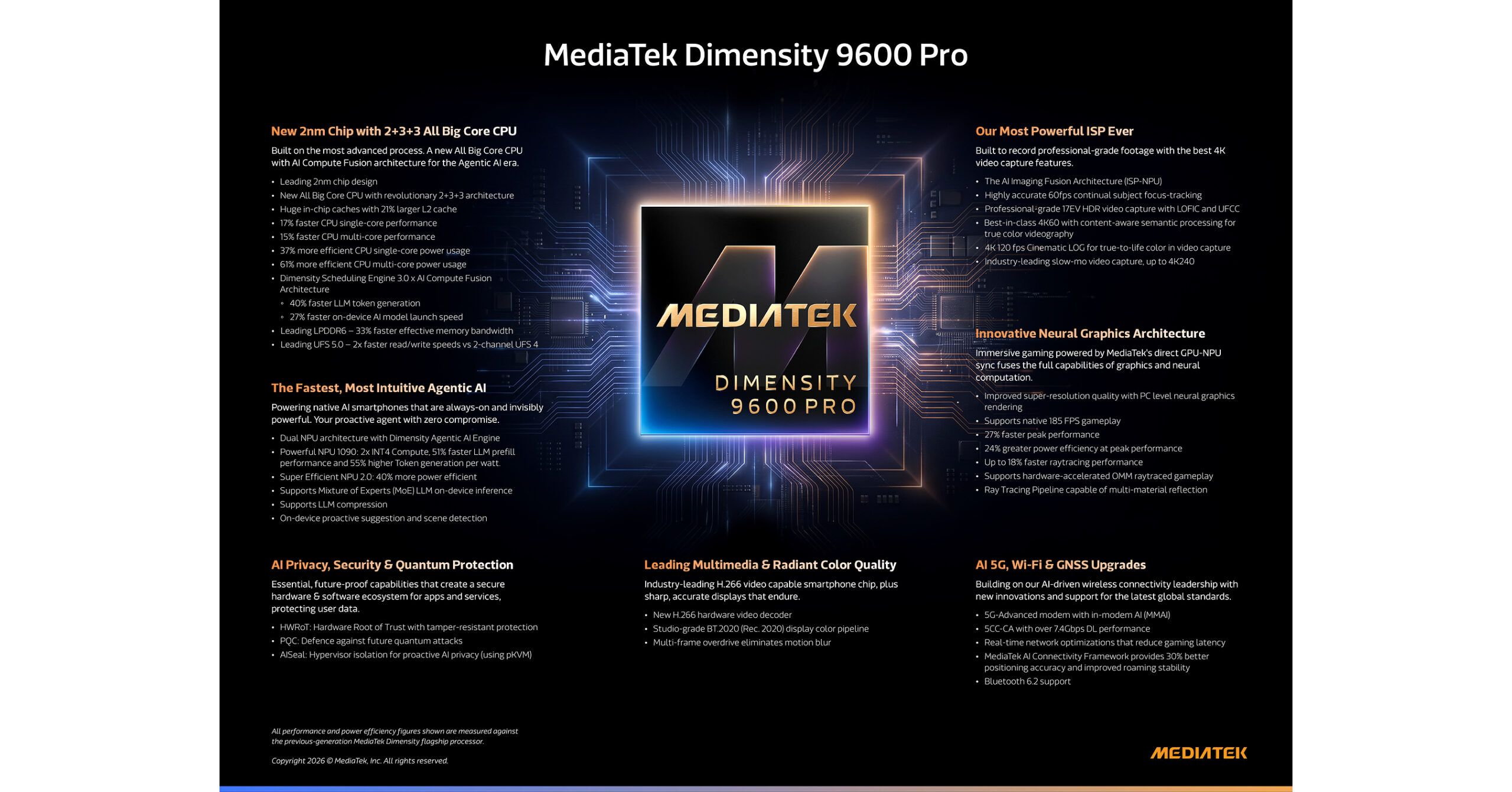
Qualcomm opened its Snapdragon Summit in Maui yesterday with two new flagship chips, and one of them cleared a bar no phone chip has ever touched. The Snapdragon 8 Elite Extreme Gen 6 is the first mobile CPU to reach 5 GHz, and both new platforms are the first phone chipsets built on TSMC’s 2nm node. The silicon deserves the applause. The marketing wrapped around it deserves scrutiny, because the split into two tiers says more about pricing strategy than engineering necessity.
Two chips shipped, not one. The Snapdragon 8 Elite Gen 6 is the new default flagship platform. The 8 Elite Extreme Gen 6 sits above it with a short list of exclusives most buyers won’t realize they’re missing until they’ve already paid.
Two Chips, One Confusing Flagship Name
Both platforms share the same custom Oryon CPU, two prime cores pushing 5.0 GHz and six performance cores at up to 4.0 GHz, backed by 16 MB of Oryon Flex Cache, plus the new X105 5G modem. Qualcomm claims 13% better CPU performance, 44% better GPU and 35% better NPU than last year’s 8 Elite Gen 5, with efficiency gains of 37% on CPU and 40% on GPU. Those efficiency numbers matter more than any clock speed here, and I’ll explain why shortly.
The Extreme tier is where Qualcomm hid the interesting stuff. 8K60 video capture and 4K240 slow motion, both firsts for a phone chip. The APV professional video codec. A larger shared NPU memory pool that runs 30B-plus parameter MoE models entirely on device. Adreno AI matrix cores, a Neural Fusion feature for gaming, and High Performance Memory. None of it comes to the standard Gen 6. LPDDR6 is listed too, though whether you actually get it depends entirely on each phone maker.
When the Extreme name surfaced ahead of the Summit, replacing the Pro variant everyone had assumed was coming, the launch threads I dug through spent more time arguing about naming than specs. Fair enough. Qualcomm frames the two-tier approach as giving OEMs greater choice and flexibility, which is corporate language for letting phone makers charge ultra-premium prices for a chip that mostly gates video and AI features. Buy a flagship early next year and it can’t shoot 8K60? Check which chip is inside before you blame the camera hardware.

5 GHz Is a Trophy, Sustained Performance Is the Question
Here’s what should temper the excitement. Last year’s Snapdragon 8 Elite phones throttled hard in sustained benchmarks and ran hot enough to become a running joke in stress tests. Qualcomm’s answer this round is an offset Package-on-Package design that repositions memory for better heat dissipation, and OEMs are layering on their own fixes like Motorola’s ArcticMesh cooling. On paper, that addresses the platform’s oldest criticism. In practice, nobody has pushed a production phone with 5 GHz prime cores through a 30-minute stress test yet, and I’d bet the peak clocks don’t survive one.
The gaming and emulation crowd is watching a different signal entirely. The rearchitected Adreno GPU with Neural Fusion and the new memory features look genuinely promising for demanding titles and emulators, but driver maturity has always trailed chip launches by months. We watched the same pattern play out with the Xbox backward compatibility rollout earlier this year. New hardware is the easy part. Software support is where launches go to die.
Rollout is skewed too. Xiaomi and the Chinese OEMs will have devices on shelves within weeks. Samsung’s Galaxy S27 series likely waits until early 2027, which fits the pattern we saw in our Z Fold 8 and Flip 8 analysis. The early global pick looks like Motorola’s Signature 27, unveiled at the Summit with the Extreme chip inside and seven years of updates promised.
The agentic AI pitch got the loudest stage time yesterday, yet there’s no shipping software to judge. On-device agents that learn your context raise privacy questions nobody has answered, and the power cost of always-on sensing remains unproven.
So what actually matters here? Not the 5 GHz number, which will throttle long before your thumb gets tired. The 2nm node and those efficiency claims are where the value sits. If the 37% CPU efficiency gain survives contact with real phones, you get longer battery life and cooler sustained performance, and that beats any benchmark trophy.
My advice is blunt. Don’t preorder anything on this chip. Wait for the sustained-load reviews, especially on Extreme-tier devices, because that’s where last year’s generation fell apart. If the packaging fix works, this is the most interesting Snapdragon in years. If it doesn’t, 5 GHz becomes the most expensive marketing number in mobile.