Foldables have spent five years converging on the same tall, narrow book shape, and I’d stopped expecting anyone to question it. Then Xiaomi put a cherry red 18 Fold on its IFA stand in Berlin this week, and it looks genuinely different. Shorter, wider, closer to a passport than a paperback, with the company’s own Xring O3 silicon inside. It goes on sale in China on September 7. That’s also, almost certainly, the only country where it will go on sale at all.
The mid-fold format finally has real hardware
The 18 Fold drops the tall proportions of the Mix Fold 4 for a wider, flatter body that lands much closer to the Galaxy Z Fold 8. You get a 5.38-inch cover display, a 7.58-inch inner panel, rounded corners, a side-mounted fingerprint reader and a punch-hole selfie camera on the unfolded screen. Xiaomi calls it a mid-fold, which sounds like marketing until you picture it folded in one hand. It’s the first book-style foldable that doesn’t read as a compromise between phone and tablet.
And the late-August leaks had already spoiled the surprise, nailing the wide body, the red finish and even the chip pairing weeks before Berlin.
The rest holds up too. Leica tunes a 200 MP OIS main camera, a 50 MP ultrawide and a 50 MP 3.5x periscope, a combo you still don’t see on wide foldables. The battery is 6,000 mAh with 67 W wired and 50 W wireless charging, wrapped in a new Dragon Bone hinge generation. Camera samples coming out of IFA lean natural, with careful exposure and white balance instead of the oversaturated look rivals chase.
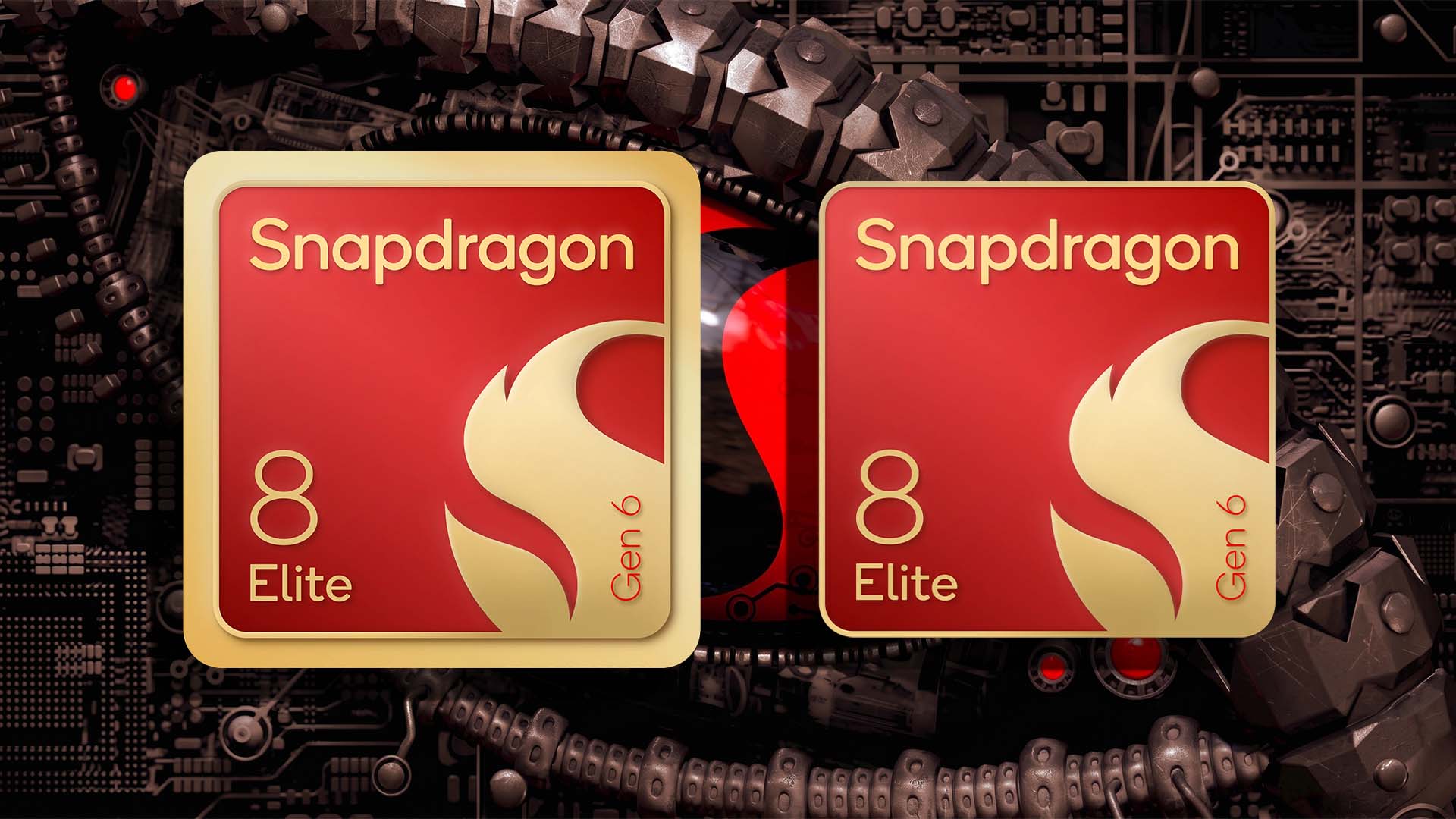
Bigger still is the Xring O3, which no phone has shipped with before this one. It’s a 3nm TSMC part with a 10-core all-big-core CPU peaking at 4.35 GHz and a 16-core G2-Ultra NX GPU, and early AnTuTu V11 runs land around 5.22 million. The core layout Xiaomi confirmed reads like a statement of intent:
Pair that with CXMT’s LPDDR6 running at 113.8 GB/s of bandwidth and you get a phone where the processor and the memory are both domestic Chinese flagships, a pairing that has never shipped before. A Mi Pad 9 Pro Max with the same silicon lands the same day. That’s a supply chain statement as much as a spec sheet, and I suspect that’s the deeper point of this device.

The buzz problem nobody at IFA mentioned
When I went looking for pre-launch chatter in Chinese forums, the silence surprised me. A V2EX thread on the 18 Fold basically reads 没人讨论, nobody’s discussing it. For a phone carrying a record-setting homegrown chip, that’s strange. The price is the obvious culprit. Expectations sit around ¥10,000 to ¥12,000, roughly $1,650, far above what Xiaomi’s price-sensitive core buyers have ever been asked to spend on the brand.
Software worries are earned too. Owners in those threads described app scaling on earlier Mix Folds as a disaster, with a few saying Huawei’s foldable optimization is why they switched. A wider unfolded screen makes that harder, not easier, because more apps default to awkward stretched layouts. Surge OS 4 and its on-device MiMo AI need to prove per-app adaptation actually works, and no keynote slide settles that.
Then there’s the availability wall. No US or EU filings have surfaced, every previous Mix Fold stayed China-exclusive, and Xiaomi’s own global site shows no trace of it. Add unproven thermals for a first-generation chip in a chassis that dumps heat badly, hinge durability on a wider panel, and uncertain long-term fold-specific support, and you get a device that’s fascinating to read about and risky to own.
Two days before Apple takes the stage
The September 7 date isn’t accidental. Apple’s September 9 event is expected to finally show the foldable iPhone, and Xiaomi gets 48 hours of owning the wide-foldable narrative first. Even if the 18 Fold never leaves China, it sets the template for what a wide foldable should look like, and I’d bet those rounded, passport-style proportions show up in the iPhone 18 Pro foldable sooner rather than later.
So where does that leave us? The 18 Fold might be the most technically complete foldable of 2026, and most readers will never hold one. It’s a ¥12,000 bet on a new format, first-generation silicon and an audience that has never paid Xiaomi anywhere near that much.
I keep landing on one thought: the hardware looks ready for the world, and the world still can’t have it. If the first Chinese reviews next week confirm the battery and software hold up, the mid-fold becomes the template everyone copies. If they don’t, it becomes a brilliant proof of concept that stayed home.