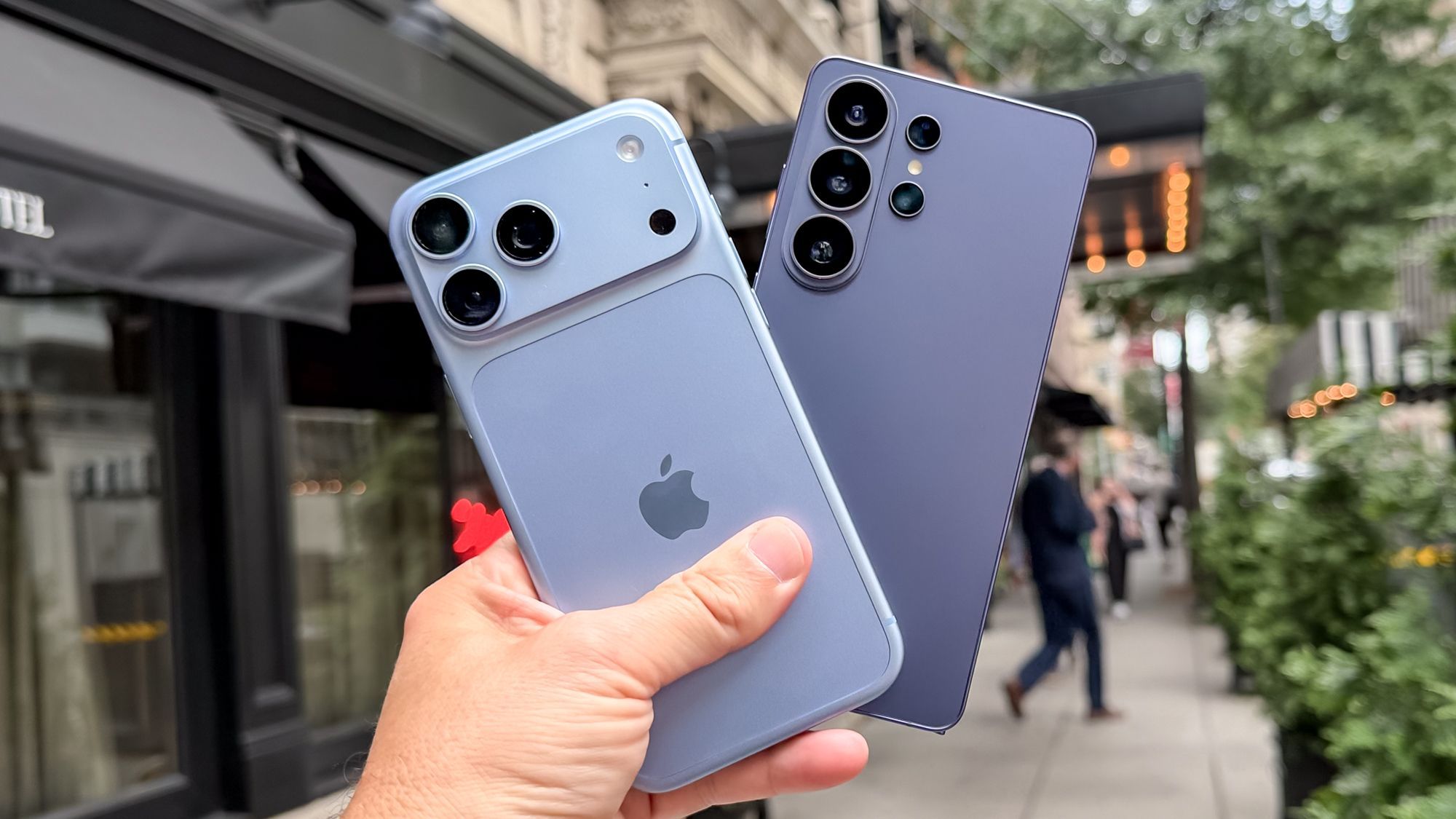
One of the six blades in the iPhone 18 Pro’s new variable aperture came loose during the first proper teardown of the phone, and it wasn’t carelessness. The blades are thinner than a human hair and move by electromagnet, packed into a camera bump the size of a coin. That detail frames the launch better than any keynote slide: Apple built its most intricate internal engineering ever, then made it nearly impossible to fix.
The iPhone 18 Pro and Pro Max went on sale September 18 in 65+ countries, after the September 9 announcement. Pricing starts at $1,199 and $1,299 with storage up to 2TB. On paper it’s the usual Pro refresh from Apple, with a 2nm A20 Pro, a smaller Dynamic Island, and new Burgundy and Glacier finishes. The teardowns show where the actual ambition went, and it wasn’t the spec sheet.
The aperture is a feat and a liability
The headline feature is a mechanical iris in the main 48MP camera, six blades stepping from ƒ/1.48 wide open down to ƒ/4.0 for tighter depth control in video. I explained what that means for footage in my piece on the variable aperture video feature, and optically it’s genuinely exciting. Mechanically, it’s a different conversation.

Getting inside starts with screen removal, and the plastic display frame cracked in three of the four units opened. That frame isn’t a separate part, so a screen swap risks water resistance and the flush fit. The iris is effectively unfixable at the blade level, so a failed aperture likely means a full camera assembly swap at a price nobody can quote yet. The provisional repairability score landed at 7/10, rescued mostly by a screw-in, glue-minimal battery tray and a modular camera design.
Owner forums have been chewing on this since the weekend, and the worry that keeps surfacing is vibration. A mechanical iris that lives in your pocket, on a motorbike mount, through years of drops, is a reliability question Apple hasn’t answered. I think the skepticism is earned. Moving parts fail, and these ones fail expensively.
The boring part that actually matters
Here’s what deserves more attention than the aperture got. The A20 Pro has been physically repositioned to sit in direct contact with a vapor chamber roughly three times larger than last year’s, with denser packaging and simplified cabling freeing the room. That layout, not marketing, is behind the claimed 40% gains in sustained performance. Early owners back it up. In the groups I follow, the first thing people mention isn’t the camera, it’s that the phone stays cool through gaming sessions that used to cook a 17 Pro.
The 2nm A20 Pro is the first phone chip on that node, and its 32-core Neural Engine carries the on-device AI features that arrived with iOS 27 on September 14. The teardown also put numbers on the battery, about 4,288 mAh in the eSIM-only Pro and 5,567 mAh in the Pro Max, with physical-SIM variants getting smaller cells. Regional variance is one thing. The modem lottery is another.
Some U.S. Pro Max units shipped with Qualcomm’s Snapdragon X80 instead of Apple’s own C2 modem, which only surfaced once owners opened theirs. Apple doesn’t tell you which radio is in the box you’re buying, and the two won’t behave identically on signal or thermals. If I’m spending $1,299 on a phone, I want to know that before checkout, not after.
The last great slab before the fold
Launch day drew the usual crowds, but pre-orders were muted, and the reason isn’t mysterious. Prices climbed another $100 in the U.S., the upgrades read as evolutionary, and a foldable iPhone now feels close enough that owners are banking trade-in value for it. Apple even skipped the standard iPhone 18 this fall, which says a lot about where it sees the next wave of demand. South African buyers feel this twice over between dollar pricing and the rand, which I covered in my piece on the iPhone 18 Pro price hike.
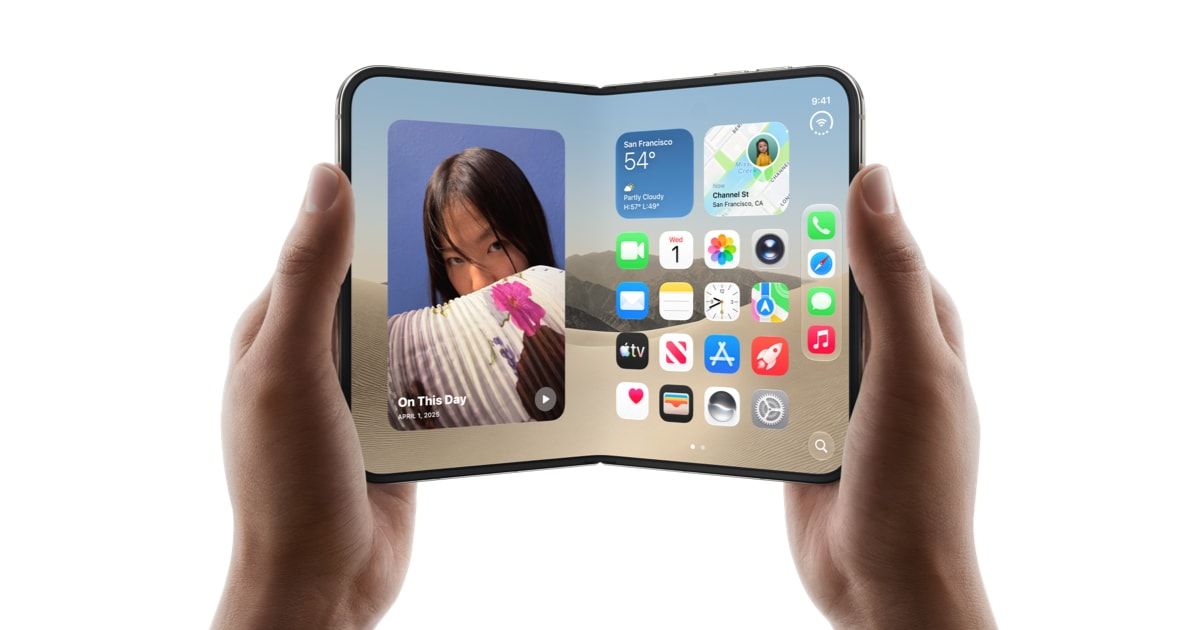
My read is that this is a transition product wearing a flagship costume. The vapor chamber work, the packaging density, the thermal headroom, that’s the foundation a foldable will need, proven on hardware that can absorb the risk. If you’re coming from a 15 Pro or older, the battery and thermals alone justify the move. If you’re on a 17 Pro, there’s no shame in waiting a year for what this phone is quietly rehearsing.
The aperture is the story Apple wants told, the cooling system is the story that matters, and the cracked display frames are the story owners will live with. I’ve handled enough supposedly revolutionary iPhones to know one when I hold it, and this isn’t that. It’s something rarer: a refinement year where everything interesting lives inside the chassis. Just don’t mount it on a motorcycle, and maybe budget for AppleCare.