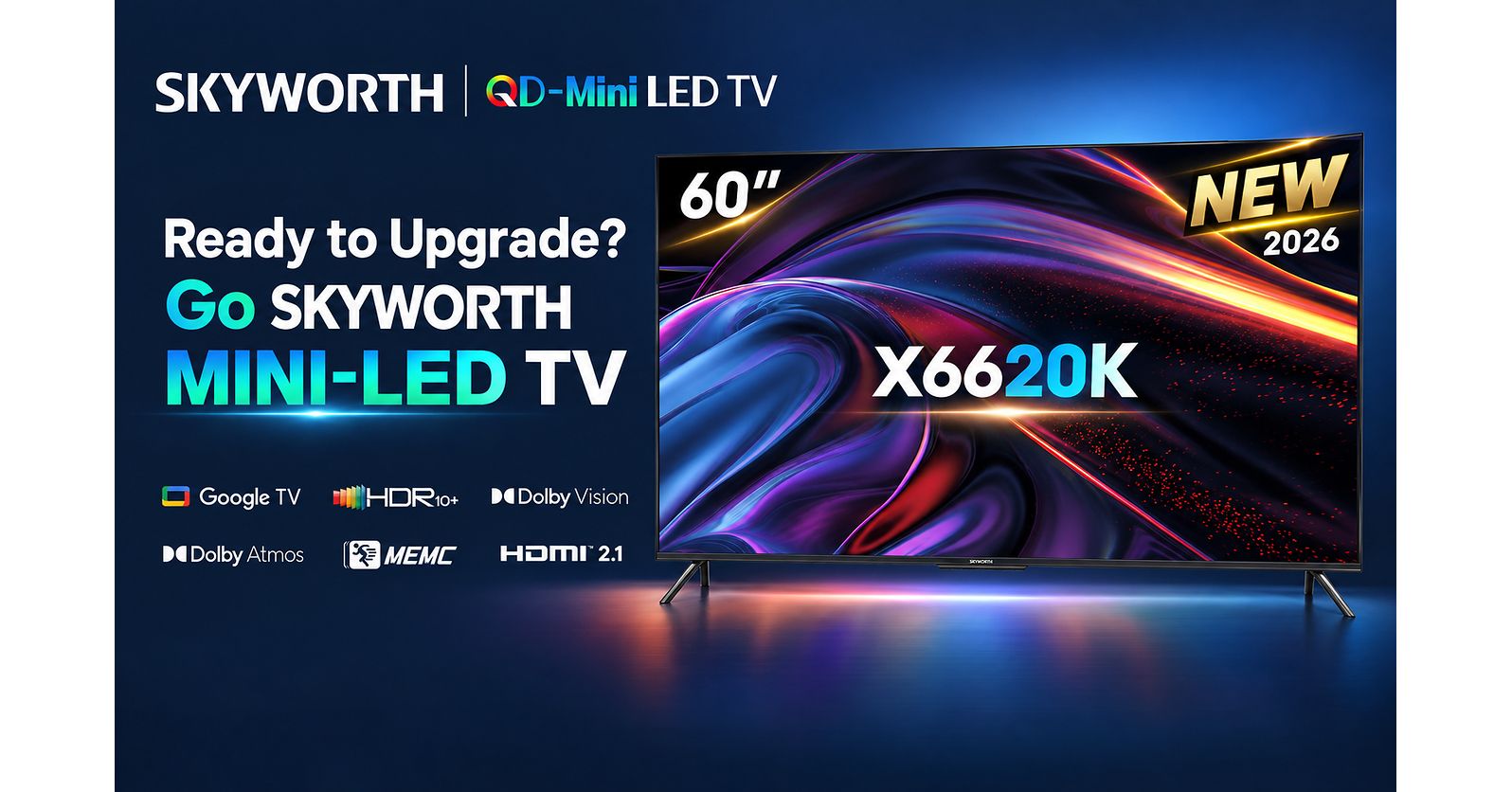
Xiaomi dropped its TV S QD-Mini LED range on South Africa this week, and the timing is no accident. With winter evenings dragging on and load shedding mostly behind us, the idea of a 98-inch, 144Hz screen glowing in your lounge is an easy sell. MyBroadband and BusinessTech ran the announcement with the expected enthusiasm. 4K resolution, 1200 nits peak brightness, Dolby Vision, Google TV, and sizes stretching from 55 inches up to that absurd 98-inch unit. Prices that undercut Samsung and LG by a margin wide enough to make you look twice.
I’ve been digging through the local chatter, though, and something doesn’t add up. For all the talk about premium viewing at everyday pricing, there’s a strange silence where real South African owner voices should be. The press coverage is almost entirely promotional. The retailer listings are live. The actual user testing? It doesn’t exist yet.
The Gaming Pitch Is Clever, But Incomplete
NAG and other local partners pushed the gaming angle hard on July 28, framing the 65-inch to 98-inch models as console and PC replacements. It’s a smart play. South African esports is growing, and dedicated gaming monitors at that size cost a fortune. Here’s what the promo graphics don’t clarify. Hitting that native 144Hz refresh rate isn’t just plug-and-play. You’ll need HDMI 2.1 cables, a console or GPU that can push it, and the correct port settings. None of the local launch materials I’ve seen break that down. For buyers upgrading from an old Full-HD set, that Game Boost feature might as well be a myth until they get home and realize their PS4 can’t touch it.
The focus on giant screens also ignores the reality of South African living rooms. A 98-inch panel sounds incredible until you try to get it up a standard Pretoria apartment stairwell. I noticed the same thing when South African home buyers started making unexpected lifestyle switches toward smaller, smarter spaces. A TV that demands a mansion lounge is a weird flex in a market where compact living is trending.

The Ownership Gap Nobody’s Filling
The spec sheet is impressive, but Mini LED isn’t magic. Global reviews of the S-series point to blooming around bright objects and backlight uniformity issues in dark scenes. That’s a class limitation, not a Xiaomi-specific flaw, but in a country where we pay a premium for imports, good for the price can still mean frustrating during movie nights. Our power instability hasn’t vanished either. Voltage spikes and cheap surge protectors don’t pair well with complex local-dimming arrays.
I also went looking for local owner threads on Reddit and local forums. What I found was telling. There is almost no conversation about this specific 2026 range. The few threads discussing Xiaomi TVs in our broader region come from places like Mauritius, where users three years into ownership are asking about spare parts for dead panels and flickering issues. One user described chasing a PCB replacement for months. That doesn’t mean the new QD-Mini LED models will fail, but it does highlight a support infrastructure that hasn’t proven itself here yet. When local celebrities unveil luxe new homes, they aren’t rushing to install budget Chinese panels without a bulletproof service plan. There’s a reason for that.
The software side worries me too. Google TV is great on day one, but over time these budget-tier smart platforms slow down. I’ve seen buyers on broader African and Indian forums complain that the S-series interface starts chugging after a year, and that the build quality feels cheaper than the picture suggests. In South Africa, where we often keep TVs for five to seven years, that lag matters. Pricing and availability are also murkier than the headlines suggest. Syntech and TheITSpot have listings up, but there’s no clear word on official Xiaomi ZA store stock or uniform warranty terms. If you buy from a reseller and the dimming zones start failing in month fourteen, who foots the bill?
Xiaomi isn’t doing anything wrong here. They’re filling a gap. South Africans want big, bright, smart TVs without paying Samsung prices, and the TV S QD-Mini LED range delivers exactly that on paper. But paper isn’t your lounge. Until local reviewers get hands-on units and we see how these panels handle our power quirks, our dusty sunlight, and our aging Netflix apps, I’d treat the launch excitement as exactly that. Excitement. If you’re buying, size down slightly, budget for a proper HDMI 2.1 setup, and buy from a retailer you trust to honour a dead pixel claim. The picture might be stunning. The ownership experience? We’re still waiting for that to render in full.