This year the longevity retreat market is on track to hit eleven billion dollars, and I keep noticing the same pattern in every booking inquiry that crosses our desk at Hay Bowena. Travelers aren’t asking for spa robes and cucumber water anymore. They want VO2 max testing, continuous glucose monitors, and cellular regeneration protocols that sound borrowed from a venture capital pitch deck.
The shift is real. Wellness travel has hardened into a clinical arms race, and destinations like Clinique La Prairie in Switzerland, RAKxa outside Bangkok, and SHA Wellness across Spain and Mexico are packaging medicine-grade diagnostics into seven-day itineraries. Price tags run anywhere from €3,500 to well over €15,000 depending on how deeply the needles go.
But beneath the biomarker buzz lies a quieter truth most operators won’t advertise: the hardest part of longevity travel isn’t the fasting day or the stem-cell consultation. It’s walking back into your real life once the program ends.
The Clinic Is the New Country Club
Inside these properties, the experience is deliberately austere. You don’t sleep in; you submit. Arrival usually means bloodwork, body composition scans, and a schedule tighter than a corporate retreat. Meals are pre-portioned, often protein-light, and substitutions are treated as clinical deviations rather than preferences.
I’ve watched enough recent guest feedback to spot the friction points. Some travelers report migraines triggered by aggressive cell therapies. Others describe an emotional whiplash, intense feelings stirred up by isolation and introspection without adequate tools to process them before the checkout bill arrives. One recent thread I followed flagged concerns about unregulated substances being offered after the formal diagnostics were done, a reminder that high price doesn’t always equal high oversight.
And then there is the sales choreography. The initial consultation can double as a soft opening for add-on injections, supplements, or peptide protocols that push the final invoice into territory that would fund a year of personal training at home.
The price barrier alone is staggering. Even diagnostics-only packages without a luxury room attached can exceed $4,000, and full European programs routinely land between €10,000 and €20,000. That reality funnels participation toward the affluent, which means the industry is currently optimizing healthspan for the same demographic that already has the lowest baseline stress about medical bankruptcy. Meanwhile, top-tier clinics remain concentrated in Europe and select Asian hubs, leaving travelers in other regions with thinner options or long-haul jet lag that undercuts the recovery narrative before it even begins.

What Actually Sticks
Here is where the story gets interesting. While operators market the week itself as the intervention, the most durable trend I’m tracking is the rebellion against it. A growing number of travelers are skipping the invoice entirely and reverse-engineering these protocols at home. They’re building “longevity resort days” with structured morning light exposure, cold plunges, blood-panel follow-ups with local GPs, and habit tracking that costs nothing beyond discipline.
The logic is hard to argue with. If the goal is genuine healthspan extension, a one-week biohacking sprint without six months of downstream coaching is mostly an expensive reset button that fades by the second Monday back at work.
This doesn’t mean the retreats are worthless. Programs that combine registered dietitians, measurable outcomes, and genuine post-stay follow-up deliver real value.
But the field is crowded with hype. I’ve sifted through enough traveler forums to see the pattern clearly. Guests want to know which properties employ actual clinicians versus wellness influencers. They question whether peptide prescriptions handed out poolside are properly regulated.
They watch their cortisol look great on day seven only to crater again by day fourteen once Slack notifications return. The credibility gap is widening, and the travelers paying attention are shifting their budgets toward slower, nature-based immersion or local alternatives that prioritize nervous-system regulation over optimization theater.
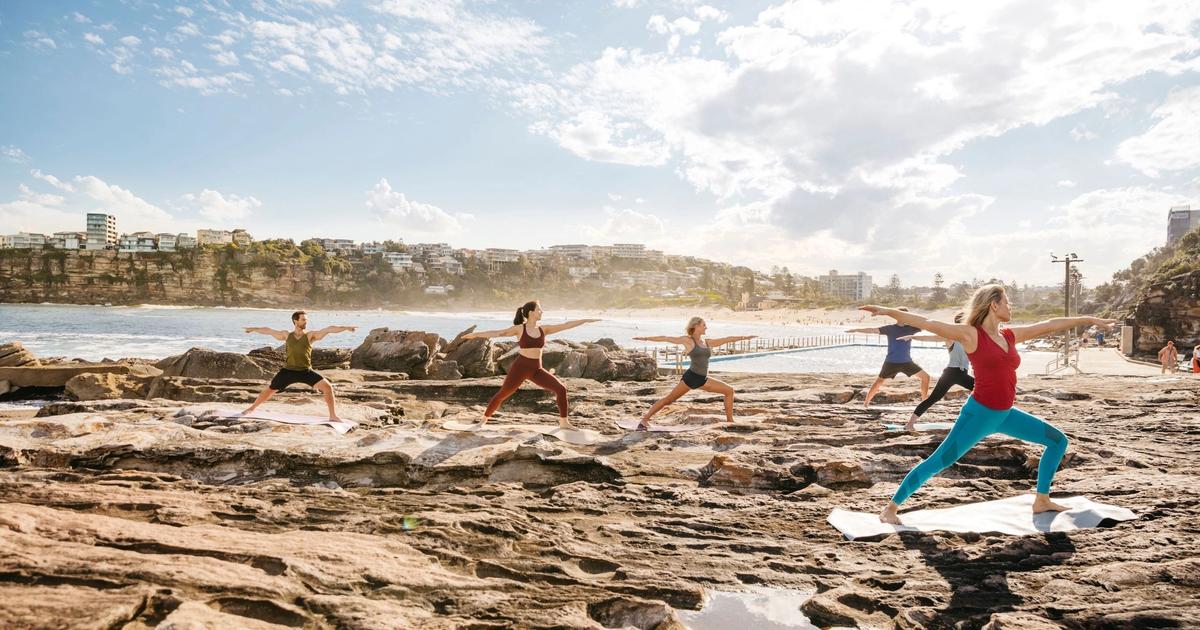
We explored this tension recently in our Blue Mind travel feature, where the evidence points to water exposure and community rhythm as longevity anchors that no machine can replicate. Similarly, our piece on star bathing and goat yoga shows how low-tech approaches are outperforming expectations because they address the emotional infrastructure that biomarkers miss. Even major travel collections have noted a pivot toward Blue Zone hobbies like gardening and Mah Jongg, suggesting that purpose and social connection may outlast any intravenous protocol.
The longevity travel surge isn’t a fad. It reflects a genuine cultural hunger to live better for longer.
But the industry is at a fork. One path leads to ever-more-expensive clinical isolation for the few. The other leads to accessible, habit-driven healthspan work that travels home with you.
We think the second path is the honest one. If your retreat doesn’t come with a plan for Tuesday three months later, you’re not buying longevity. You’re buying a very sophisticated nap.