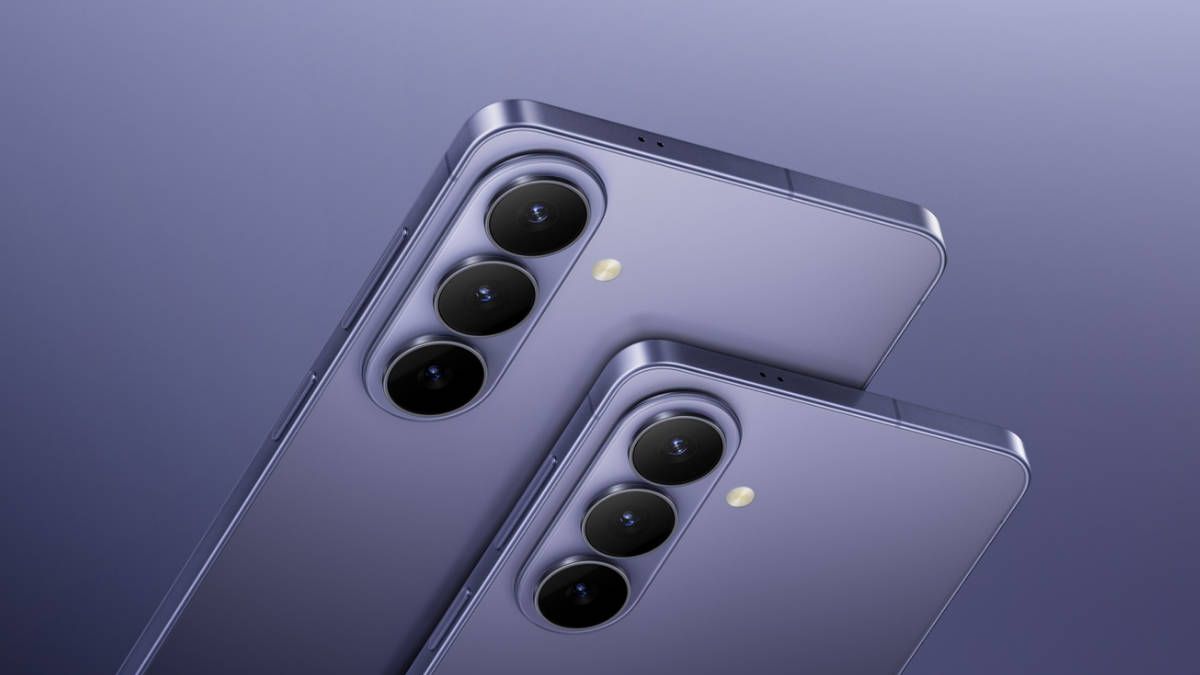
The Galaxy S27 Ultra leaks landed this weekend. Ice Universe posted his CAD sketches. OnLeaks followed with full 3D renders a day later. Within hours, the consensus hardened. Samsung’s next Ultra looks like an iPhone. But after digging into the dimensions, the component layout, and the quiet engineering decisions hiding inside that thick camera plateau, I’m convinced the story isn’t mimicry. It’s compromise. And not all of it is good.
The numbers are nearly identical to the S26 Ultra. We’re looking at a 163.76 by 78.25 by 7.97 mm body with the same left-side S Pen silo and bottom speaker. Samsung didn’t shrink the footprint. The only dramatic change is on the back. A wide horizontal camera bar now dominates the rear panel. Two circular cutouts sit on the left. A pill-shaped section on the right houses the third sensor and flash. It’s a layout that instantly erases the vertical island Samsung has used since the S21 Ultra days.
The iPhone Clone Narrative Misses the Engineering
Spend five minutes in the replies and you’ll see the same joke recycled. Samsung designers saw Apple’s camera plateau and decided to copy the homework. The sentiment is everywhere. Users are calling the design flat, generic, and forgettable. Some compare it to budget brands. The word Infinix keeps popping up. There’s real frustration that the Ultra badge used to mean something visually distinct and now feels like a generic slab.
Most reactions missed the point. That horizontal bar isn’t just aesthetic consolidation. It’s functional. The CADs show a circular cutout on the rear shell consistent with a native Qi2 magnetic ring. A centered magnet ring conflicts with a vertical stack of lenses. Samsung solved the interference by pushing the cameras sideways. This isn’t Apple worship. It’s accessory physics. Samsung wants native MagSafe-style attachment without forcing you into a case. The trade-off is a rear end that happens to resemble an iPhone Pro from across a coffee shop.
There’s also historical precedent that undercuts the copycat angle. Samsung patented a similar horizontal module for the canceled Galaxy S26 Edge. That means this direction was incubating internally long before the iPhone 17 Pro rumors heated up. Honor and Xiaomi have used plateaus too. The form factor is becoming a standard solution for big-sensor flagships, not an Apple exclusive.
The Real Trade-Offs You Should Worry About
The real problem is what Samsung is actually giving up. The 3x telephoto lens appears gone. The new setup relies on a roughly 200MP main sensor cropping in for mid-range zoom, paired with the retained 5x periscope. In daylight that crop might hold up. In low light it won’t touch a dedicated telephoto. For anyone who shoots portraits or video at that focal length, this is a downgrade dressed up as simplification.
Then there’s the thickness. The body stays under 8 mm, but the camera bump balloons to about 12.53 mm. That’s not a subtle island anymore. It’s a shelf. Desk wobble will be real. Pocket entry will snag. And for all that added height, you’re getting fewer distinct lenses. It feels like a raw deal unless the internal space is being used for something genuinely meaningful.
That might actually be the case. The flatter rear layout leaves room for a larger silicon-carbon battery. Rumors point to something in the 5700 mAh range, which lines up with our earlier S27 Ultra leak breakdown. If that pans out, it could be the single biggest quality-of-life upgrade for power users. I’d rather have all-day endurance than a 3x lens I use twice a week. But Samsung isn’t marketing this as a battery-first redesign. It’s letting the camera bar steal the spotlight while the real win hides underneath. I’ve been tracking Samsung’s Ultra line since the S21 Ultra era. This is the first redesign that feels reactive rather than confident. The vertical camera island was Samsung’s signature. Abandoning it for a horizontal bar makes sense on a spreadsheet. Qi2 compatibility, bigger battery, streamlined manufacturing. But flagship phones aren’t bought on spreadsheets. They’re bought on identity. Right now the S27 Ultra is trading its identity for a silhouette that looks like Apple’s homework.
Will it matter in stores? Probably not. The S Pen still docks. Samsung will sell millions regardless. But for enthusiasts who remember when the Ultra meant uncompromising camera hardware and a design language you could spot from across the room, this feels like surrender. I’m holding out hope that the final unit surprises me. If that 5700 mAh battery and Qi2 ecosystem deliver, I might forgive the plateau. Until then, Samsung solved its accessory problem by creating a camera problem. That’s not the Ultra promise I signed up for.