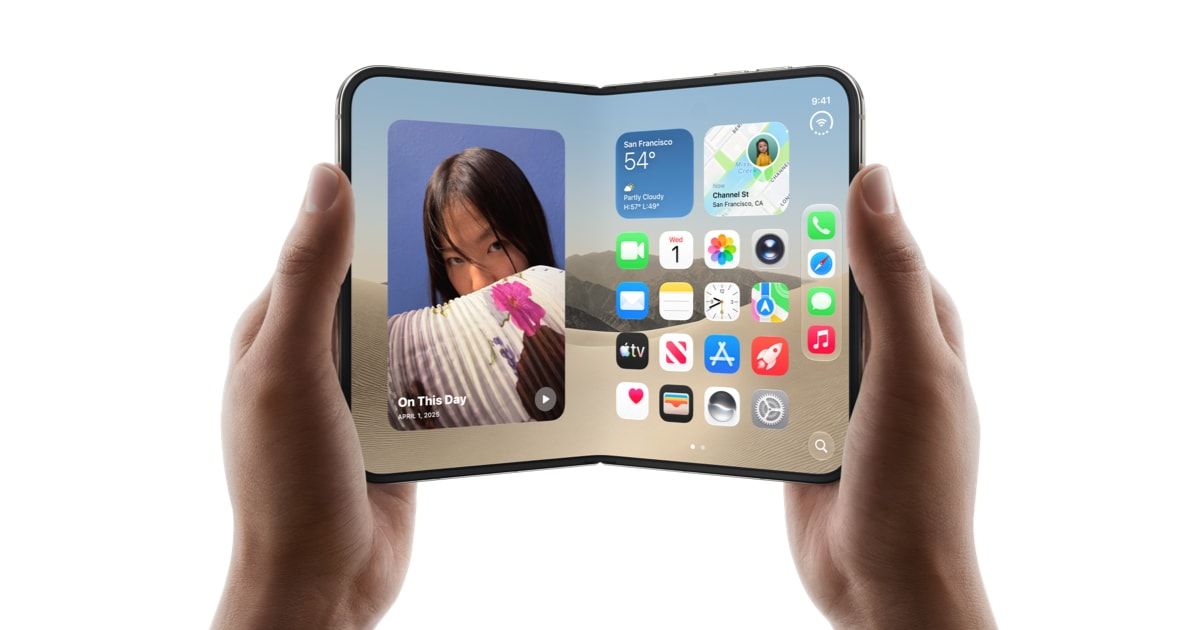
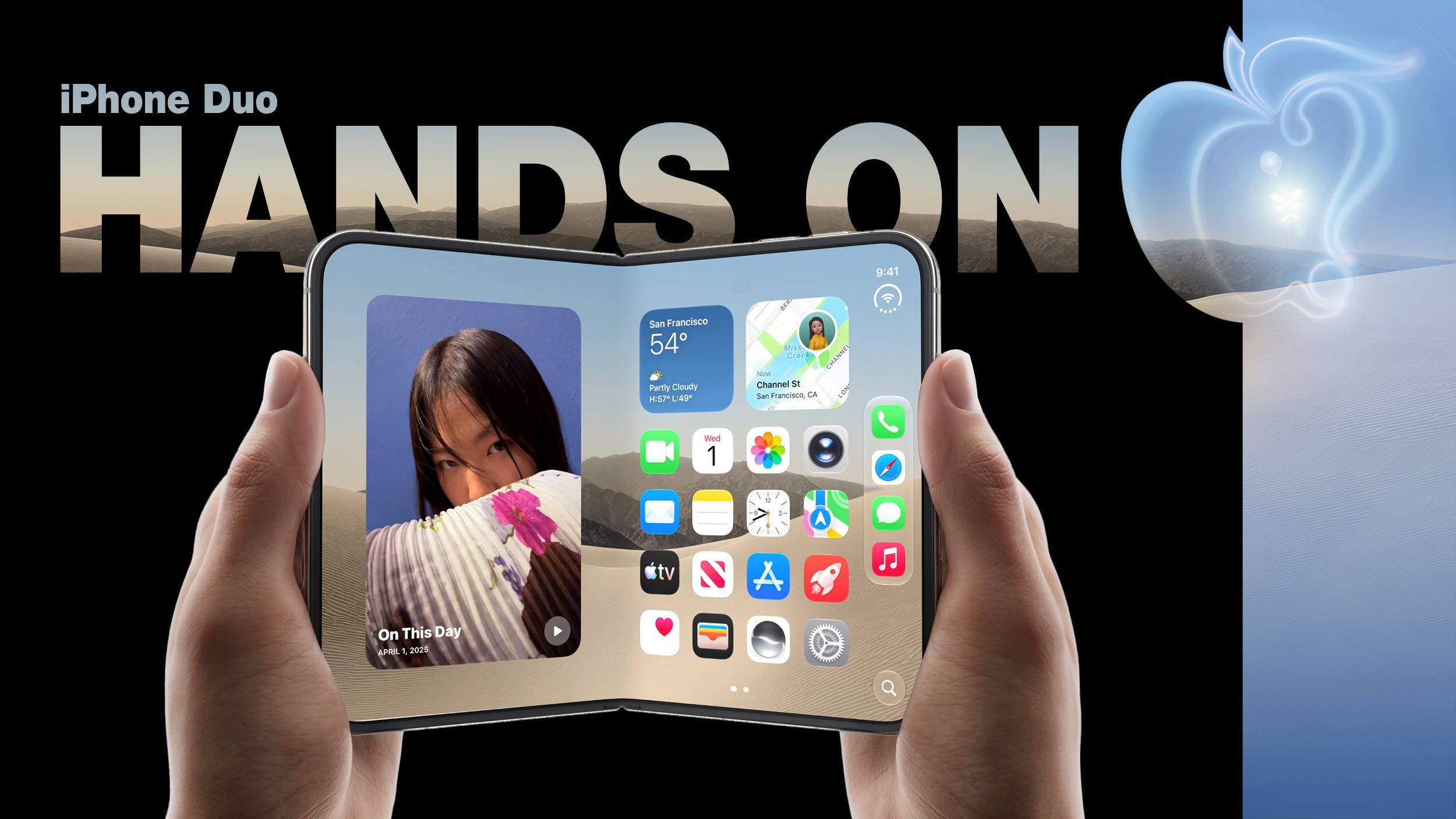
A few people outside Apple have already spent real time with pre-launch units of the company’s first foldable, and their verdict landed this weekend: the hinge feels expensive, the phone vanishes into a pocket when closed, and the big inner screen finally runs apps like an iPad, with strong marks for productivity, video and gaming.
I came away planning to skip generation one anyway. Not because the phone sounds bad. Because the details under the praise sketch a very specific product: gorgeous, compromised, and produced in numbers so small the launch outcome is already decided.
The viewfinder detail everyone skipped
Buried in those impressions was one line that deserves the whole story. The foldable excels as a camera viewfinder. Half open, propped like a tiny laptop, it gives you a stable, eye-level frame for self-shooting that no slab iPhone has ever managed.
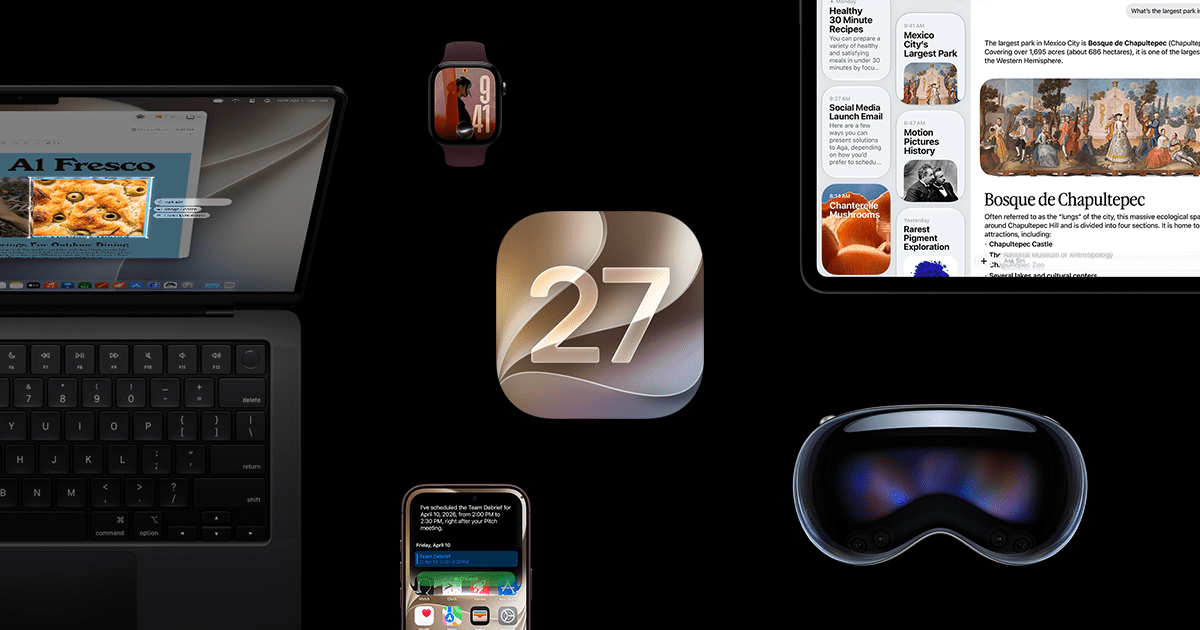
That’s not a gimmick. It’s the first genuinely foldable-native photography workflow Apple has engineered, and the software proves it was deliberate. Developers combing through iOS 27 betas found hinge-angle detection code and a Battery Health screen that references plural batteries, which means the operating system was rebuilt around the fold rather than adapted to it.
There’s a cultural edge too. A camera this present changes how people behave with it, something we saw up close in our Oscar Mbo coverage earlier this year. Building Apple’s best self-framing rig into a $2,300 phone says a lot about who this device is really for.

Touch ID, no telephoto, and a dust problem nobody has solved
Now the fine print. Face ID is out, replaced by Touch ID in the side button, because the TrueDepth sensor stack physically doesn’t fit a chassis that unfolds to roughly 4.5mm. The comment sections I’ve been reading all weekend split hard on this. One camp swears a side fingerprint unlocks the moment the phone leaves your pocket, faster than any face scan ever was. The other counters with real-world Touch ID failure rates on iPads and calls it a dealbreaker at this price. Both sides are right, which is exactly the problem.
The cameras took the deeper cut. Two 48MP sensors, main and ultrawide, and no telephoto, while Samsung’s Z Fold 8 Ultra ships 3x optical zoom. On a phone expected to start above $2,000, with estimates clustering between $2,299 and $2,500, losing the zoom lens is the worst trade-off on the spec sheet. For that money you could buy an M5 MacBook Pro and keep the change.
Then there’s the problem no keynote will mention. Going through the Galaxy Z Fold 8 teardown published last week, the ugly finding wasn’t the crease, it was dust. Sub-millimetre particles, and beach sand averages around 0.16mm, grind these hinges toward failure even at an IP48 rating. Fixing the hinge means removing the entire display. The rumored iPhone Ultra carries the same rating, which makes every early unit a durability experiment with a four-figure repair attached.
One more ceiling worth naming. This runs iOS, not iPadOS. Testers love the iPad-style layouts, but split-screen multitasking will sit a tier below a real iPad, and developers have little reason to optimize for a device starting at maybe one percent of the installed base. Ask any Galaxy Fold owner how stretched Slack and Instagram feel on the cover screen.
The sellout is already written
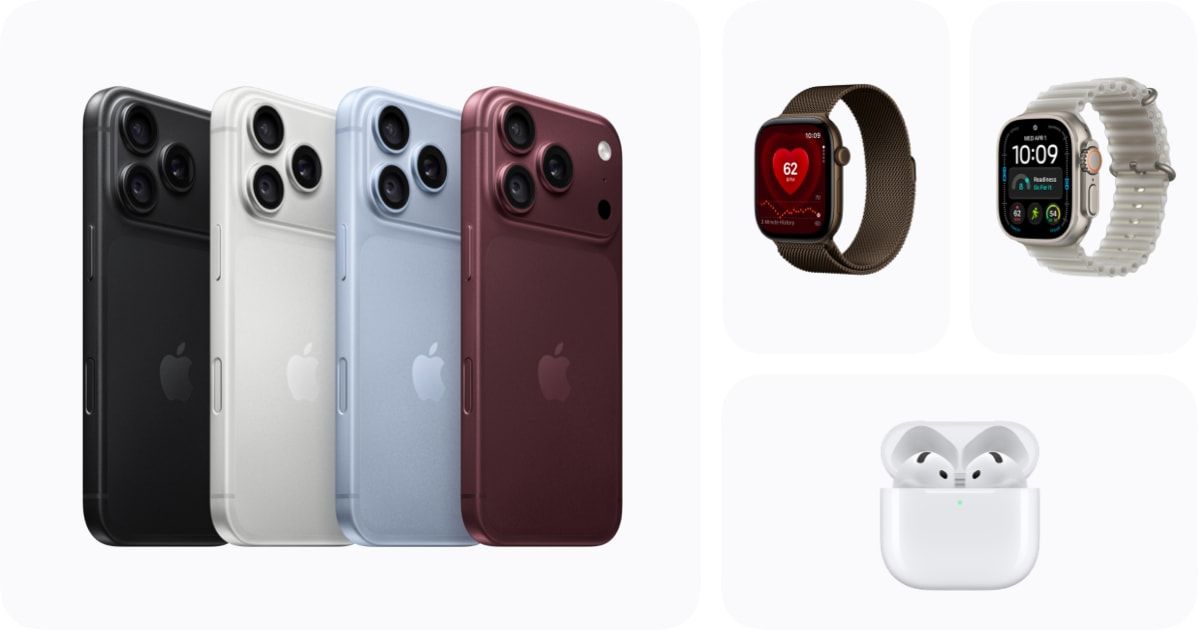
Here’s the math behind the launch-week headlines you’re about to see. Supplier estimates point to just 7 to 8 million foldable units shipping this year, against 20 to 22 million iPhone 18 Pros. Summer production targets suggested factories needed three to five months just to reach around 10 million units. When supply is that constrained, an instant sellout isn’t a triumph, it’s arithmetic. Treat anyone selling you scarcity accordingly.
The calendar confirms the caution. Apple is expected to confirm the keynote around August 26, with the reveal landing Wednesday, September 9 beside the iPhone 18 Pro line, as we laid out in our September 9 event preview. Pre-orders move to Saturday, September 12, sidestepping the 25th anniversary of 9/11 on the usual Friday, with units on sale around September 18. The leaks even disagree on rollout, one claims a staggered US-first launch over pricing problems, another insists production is smooth and the launch goes global day one. Watch which version survives the week.
Two quieter details matter. The iOS 27 battery code hints the two cells may be independently replaceable, a small line that could soften the brutal repair economics the Fold 8 teardown documented. And the name is contested, with credible analysts arguing Ultra breaks Apple’s own logic, since Ultra has always meant best-in-lineup and this device offers less than the Pro. Some leakers think Apple is saving the real Ultra badge for the 20th-anniversary iPhone in 2027. A compromised product wearing a halo name is either confident marketing or a promise the hardware can’t keep.
My honest read is that the enthusiasm is genuine, and the half-open viewfinder alone might justify the experiment for creators who live on camera. But first-generation foldables are beta tests you pay $2,300 to join. I’d rather give Apple a year to solve dust, zoom, and whatever Ultra ends up meaning, then buy the version that learned from this one’s mistakes.