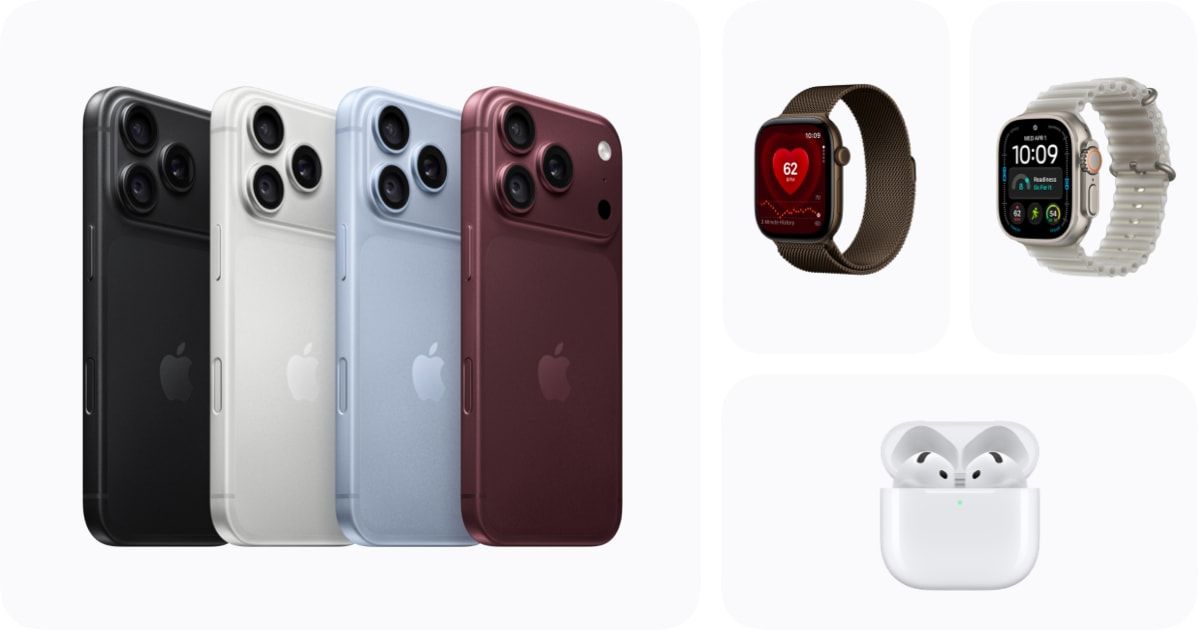
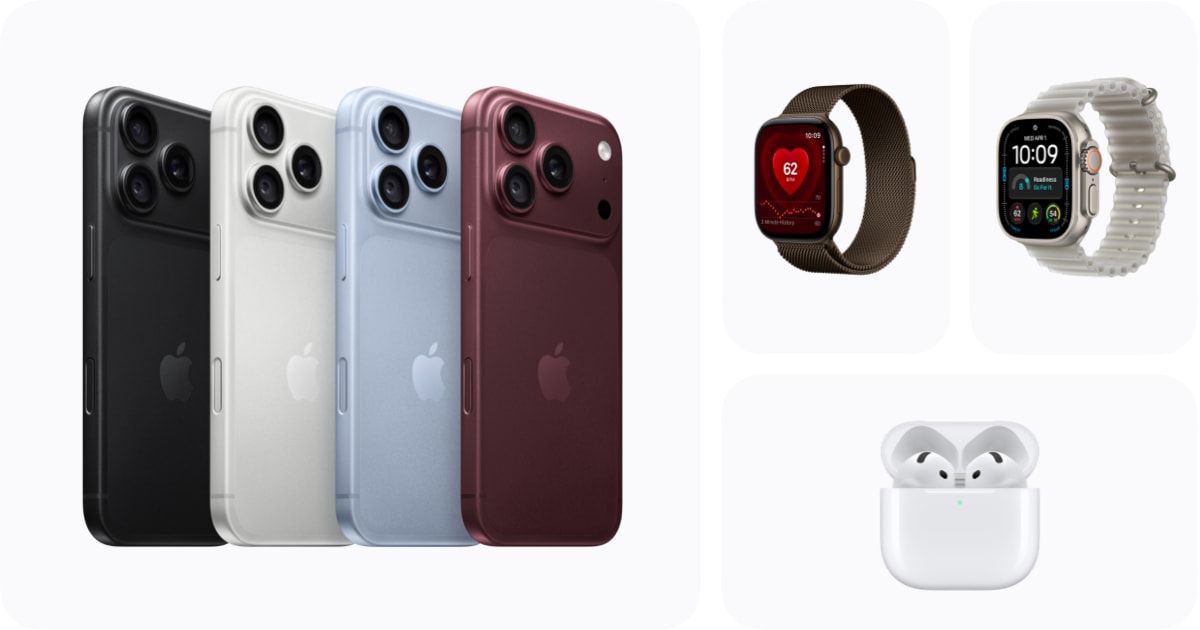
Every fall rumor cycle produces one feature that redraws the iPhone lineup, and this year it’s a set of aperture blades. The word since August 18 is that only the iPhone 18 Pro Max gets a variable-aperture main camera. After a week in the leaked supply-chain logs and the photographer threads, my take will annoy both camps: this is a video feature wearing a photography costume, and the exclusivity is an accident of weight, not strategy.
One leaker and a stolen diagnostics log
The tip itself came from Ice Universe on Weibo, who claimed the Pro Max would exclusively feature a variable aperture and quipped that flagship imaging means tolerating a phone that weighs like a brick. One leaker, one post, zero confirmation from Apple. Normally I’d move on.
Except there’s a second artifact, and it’s stranger. In June the World Leaks ransomware group dumped internal files from Tata Electronics, and buried among them sits an ISP diagnostics log describing a new Sony IMX905 main sensor assigned to the Pro Max alone, complete with a calibration block reading actuator data tied to an aperture mechanism. Pixel size holds at 1.22µm while every other camera carries over untouched.

And here’s the detail nobody leads with. The log never mentions the smaller Pro, so its silence is ambiguity dressed up as proof. Through late 2025 the consistent expectation, dating to Ming-Chi Kuo’s December 2024 note, was that both Pro models would get the mechanism. This exclusivity story is a week old and it already flipped the consensus.
Context makes it spicier. Days earlier, Samsung canceled variable aperture for the Galaxy S27 Ultra over cost, thickness and marginal benefit, and prices for such mechanisms are up roughly 50% this year. Add surging memory costs and you get the projected $200 Pro Max jump, which we’ve already broken down for South African buyers. An exclusive feature doubles nicely as a price justification.
Photographers aren’t buying the bokeh pitch
Spend time in the photography threads and the skepticism is blunt. At 1.22µm on a sensor that small, depth of field is already near-infinite when you stop down, so a variable aperture buys almost nothing for stills separation. Working shooters call it marketing gloss, and one asked the question that matters: how many buyers will ever touch an f-stop in a camera app?
The interesting part is what they think it’s for, and it isn’t portraits. A mechanical aperture behaves like a built-in ND filter. Shoot log video outdoors and you want a 180-degree shutter angle for natural motion blur, which means cutting light optically instead of smearing the frame digitally. It’s a real pro video trick, and almost none of the launch coverage has framed it that way. Expect Apple’s keynote to demo creamy bokeh anyway, because bokeh sells phones and shutter angles don’t.
One open question decides all of it. Nobody knows if iOS will expose manual aperture control or run the mechanism fully automated. The entire DSLR-style appeal rests on an unconfirmed UI assumption. If the setting never appears in the Camera app, the hardware debate is academic.
A one-year anomaly, not a permanent split
We’ve seen this movie. The tetraprism telephoto arrived as a 15 Pro Max exclusive in 2023 and reached the smaller Pro a year later. The cause repeats too: the mechanism allegedly needs internal volume only the enlarged Pro Max chassis offers, rumored around 240 grams and 9mm thick, so bigger battery and bigger body leave room for one more moving part. That’s an engineering side effect moonlighting as a tiering strategy, and I’d bet on parity by the iPhone 19 cycle.
Which sets up a rare experiment. The two biggest flagships will ship opposite answers to the same problem, a purely computational Galaxy S27 Ultra against a mechanically stopped-down Pro Max. Samsung’s own cost math predicts Apple’s bet fails. Twelve months from now we’ll have footage instead of forum theology.
The fallout is already visible. Long-cycle owners still holding a 15 Pro tell me they’d rather skip the year than buy the Max, and a reader poll this week shows a measurable bloc switching orders from Pro to Pro Max over a single camera feature. Meanwhile the base iPhone 18 and Air 2 have slipped toward 2027, which makes waiting rational and drags the whole fall lineup down with it.
There’s a provenance wrinkle too. The strongest evidence for Apple’s marquee camera feature comes from ransomware-exfiltrated supplier files, and the same breach produced the cost data behind the price hike. Buyers may pay extra for a feature we only know exists because criminals dumped somebody’s spreadsheets.
So watch the September 9 event for one thing, whether iOS surfaces a manual aperture ring. If it does, the Pro Max becomes a niche filmmaker’s tool with a mainstream price. If it doesn’t, enjoy the bokeh demo and check back in 2027, when the smaller Pro inherits the blades and everyone pretends the split never happened. Either way, these blades were built for log footage at golden hour, not for the portrait gallery on stage.