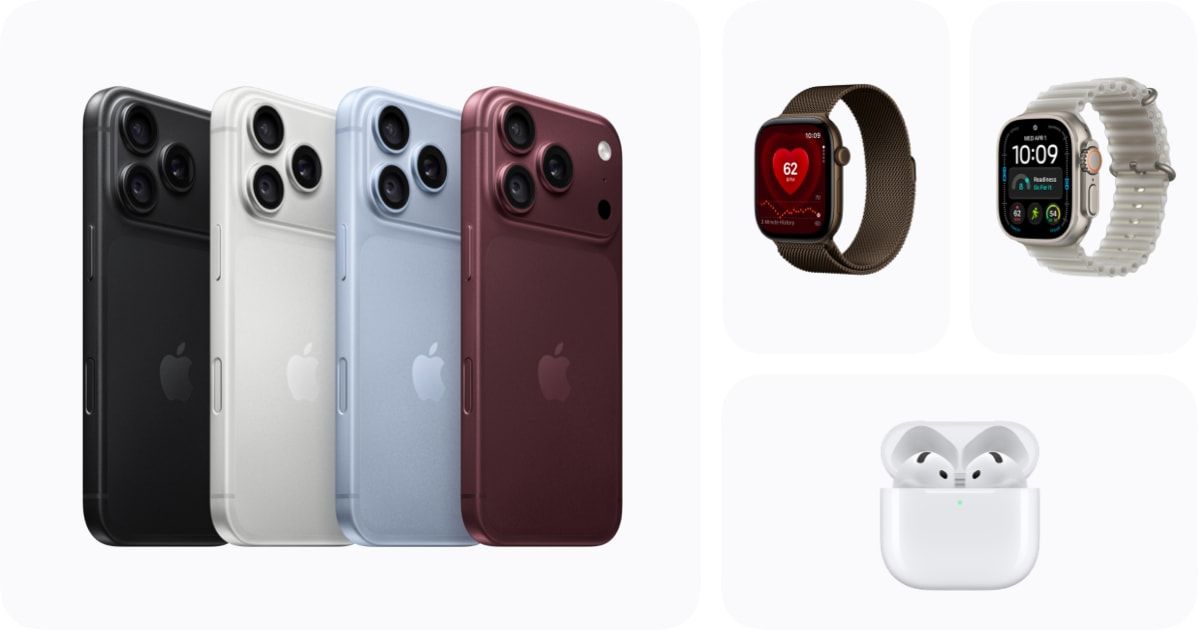
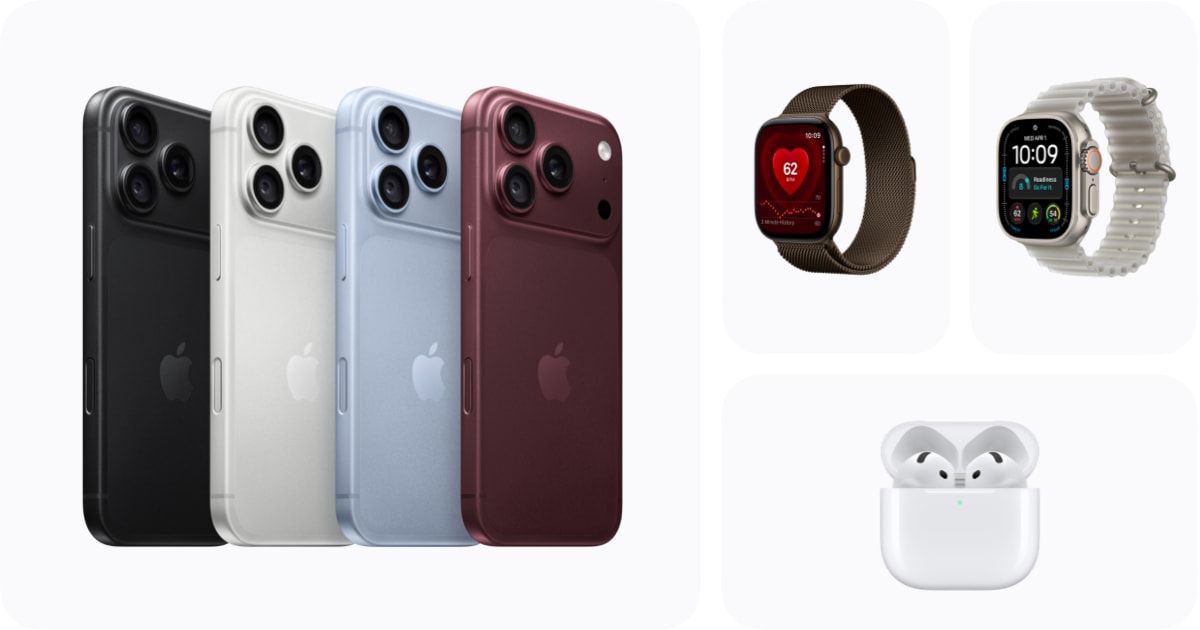
I’ve spent the past week with an iPhone 18 Pro Max in one pocket and a Galaxy S26 Ultra in the other, and the surprise wasn’t who won. Apple’s flagship took nearly every number I threw at it. The surprise was how, because it wasn’t the battery the keynote bragged about. It was a 2nm chip that sips power, and that decides who this phone is actually for.
The iPhone 18 Pro and Pro Max hit stores on September 18 after the September 9 announcement, both running the A20 Pro, the first 2nm chip in a phone, with 12GB of RAM across the board. The Pro Max starts at $1,299, same list price as the Galaxy S26 Ultra. Street reality differs, and I’ll get to that.
The numbers that actually matter
My 5G web surfing drain test, screen locked at 150 nits, is the one I trust most. The Pro Max averaged 18 hours 27 minutes across three runs, best of 18:41, against 16:40 for the S26 Ultra. Five hours of YouTube streaming told the same story, 61% left on the iPhone versus 50% on the Samsung. Neither gap is a knockout, but they point the same way.
Raw performance isn’t close. Geekbench puts the A20 Pro about 25 to 30% ahead single-core, 9 to 15% multi-core. The number I care about more is stability, because peak scores never survive a long gaming session. In my 20-minute stress loop the iPhone held 79.4% of peak while the Snapdragon 8 Elite Gen 5 in the Samsung sagged to 54%. That’s the difference between staying fast and getting warm and slow.
Charging is the quiet upgrade nobody led with. The Pro Max hit 50% in 15 minutes on my bench, the fastest I’ve logged from an iPhone, with peak draw around 52W. Samsung’s 60W charging still looks better on a spec sheet, but the gap that used to embarrass Apple is gone.

The fine print that changes the math
Start with something the keynote never mentioned: the battery inside your Pro Max depends on where you bought it. EU filings put the physical SIM model at 5,391 mAh while eSIM-only variants carry closer to 5,567 mAh. Check which variant your region gets before comparing capacity charts against the S26 Ultra’s 5,000 mAh.
Longevity is where Apple still asks for patience. The new cells are rated for 1,000 full cycles to 80% capacity while Samsung specs 1,200 for the S26 series, and out-of-warranty battery replacements climbed to $129. If you keep a phone three years, that math matters more than a September benchmark win.
The more revealing story is the smaller iPhone 18 Pro. Its battery barely grew on paper, yet it posted endurance gains close to the Pro Max, almost entirely from 2nm efficiency and software tuning. The bigger cell writes the headlines, silicon does the heavy lifting.
Not everyone’s celebrating, and I get why. My year-over-year mixed-use run showed the Pro Max lasting only about 3% longer than the 17 Pro Max, a polite way of saying incremental. It fixes the 9pm scramble, it doesn’t redefine anything. The ‘whelming’ take has spread through replies all week, and the OnePlus 15 still outlasts both in some drain tests.
Design is the one fight Samsung keeps winning. Every poll I’ve seen since launch lands the same way, including this one:
Cameras split along similar lines. DXOMARK has the iPhone 18 Pro at 172 against 157 for the S26 Ultra, driven by low light and video, and the Pro Max’s variable aperture video work is genuinely special. Samsung fans counter with the 200MP sensor and dedicated 3x and 5x hardware, and for zoom they have a point.
So who should actually switch
Price flips the argument. The S26 Ultra launched in March and has drifted well below its $1,299 list while the iPhone sits at full freight. South African readers feel this hardest, and our earlier breakdown of the iPhone 18 Pro price hike and its rand impact covers the local damage.
Sticking with Samsung makes complete sense, and nothing in my results argues otherwise. The S Pen, DeX, real customization and that zoom hardware are daily advantages, and the S26 Ultra’s battery is rated to degrade slower over years. It trails on sustained performance and endurance, but it’s lighter, cheaper right now, and it does things the iPhone still won’t.
If you’re already in Apple’s ecosystem, the Pro Max is the most complete iPhone ever made. The thermal headroom should help it age better than the 17 Pro Max did, and the claimed jump to 45 hours of video playback, up from roughly 39, doesn’t feel like fluff given my shorter tests.
Two things to watch from here. Whether Qualcomm’s next chip closes the multi-core gap, and how hard Samsung discounts the S27 Ultra to blunt this momentum. The foldable fight is heating up too, and our Z Fold 8 Ultra comparison tracks that separately.
My verdict after a week of carrying both is simple. The iPhone 18 Pro Max is the better phone, the Galaxy S26 Ultra the better purchase for most people. A phone you keep for three years gets judged on its third year, not its first week. I know which one I’m keeping, and it’s the one that still had 61% in the tank after five hours of streaming.